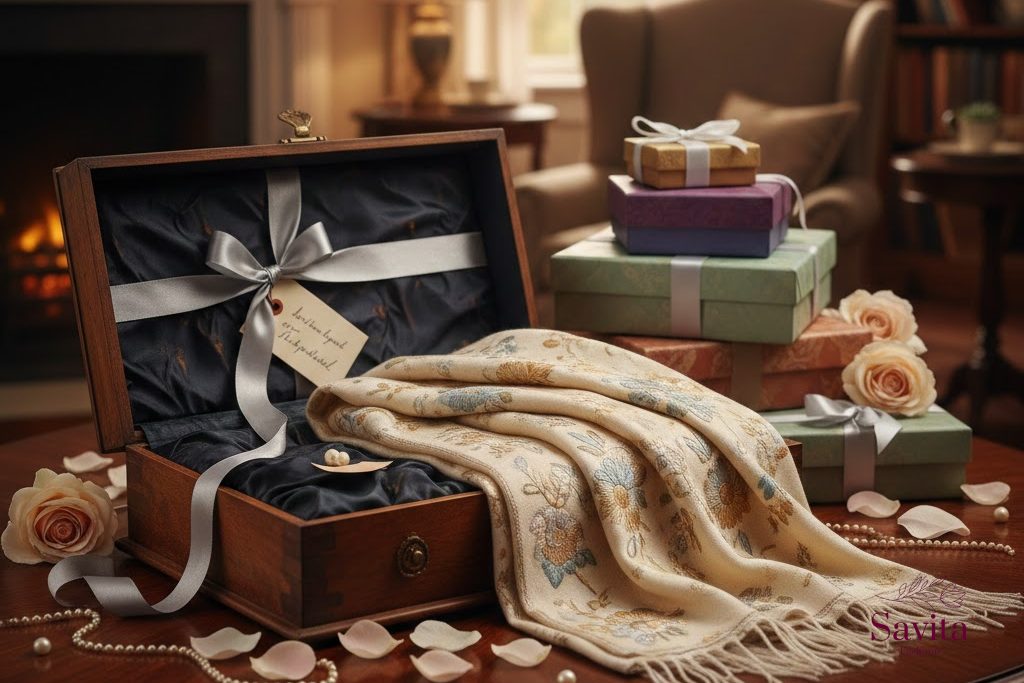
Pashmina is more than a shawl; it is a legacy of Kashmiri artistry, a centuries-old tradition, and a very meticulous Pashmina weaving process that involves handmade Pashmina. If you happen to be the owner of a Pashmina, then you are safeguarding a piece of art that has been created through a very intricate Pashmina process. On the downside, this luxury fabric has to be treated with care in every regard, especially when it comes to Ironing and Storing Pashmina, which is indeed the right way of handling it. Otherwise, improper ironing or storage may result in the permanent loss of its softness, warmth, and natural sheen.
Understanding Why Pashmina Needs Special Care
To learn the best methods for ironing and storing Pashmina, it is crucial to first find out the reasons behind the differences between Pashmina and thus the need for a special treatment for Pashmina wool or synthetic fabrics. Pashmina is no longer an accessory for winter but a luxury textile that has been made with skilled mastery for centuries. Ironing or storing wrongly can result in the loss of its delicate touch, texture, and even the very fabric itself. Hence, the knowledge of Pashmina fabric is the trigger of effective Ironing and Storing Pashmina with no compromise on its beauty.
What Makes Pashmina Unique?
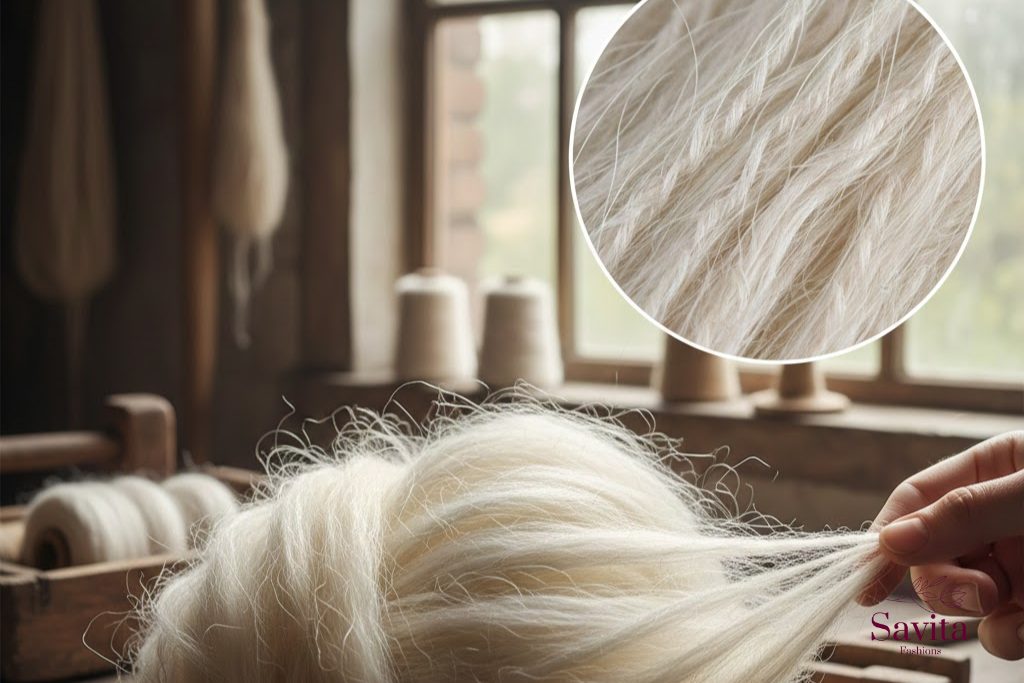
Pashmina is the name given to the ultra-fine wool that is derived from the Changthangi goat, which is found in the high-altitude Himalayan regions of Kashmir. To cope with the extreme cold, these goats produce an incredible soft undercoat which is then collected very carefully during the spring molting season. After that, the fibers are manually cleaned, spun, and woven with the help of traditional techniques as part of the original Pashmina process.
On the contrary, the fibers of handmade Pashmina wool are extremely thin, light, and delicate in comparison to those of machine-made wool fabric. The traditionalway of weaving Pashmina not only keeps the natural softness of the fiber but also makes it very susceptible to outside conditions. The very fact of its being delicate is that the Ironing and Storing Pashmina has to be done with special care, gentle handling and proper knowledge all the time, no matter what.
The Delicate Nature of Pashmina Fibers
Since Pashmina fibers are of nature, breathable, and exceptionally fine, they respond to heat, pressure, and the environment differently than other woolen textiles. Ironing can be so hot that it will kill the fibers, smooth out the natural texture, or cause irreversible shrinkage. The same goes wrong with incorrect storage methods.
Key characteristics that make Ironing and Storing Pashmina challenging include:
- High sensitivity to heat, making direct ironing risky
- Strong moisture absorption, which can weaken fibers if stored improperly
- Low elasticity, meaning the fabric can easily lose shape when folded or pressed incorrectly
The above-mentioned characteristics necessitate that one adheres to the Pashmina care guidelines suggested by the experts, particularly while ironing and storing the high-end Pashmina shawls or stoles.
Why Proper Ironing and Storing Pashmina Is Essential
Neglecting the right techniques for ironing and storing Pashmina can greatly reduce the life of your shawl. High temperatures, heavy pressure, or incorrect folding can remove the softness and the natural luster that are the characteristics of the real Pashmina. On the contrary, Pashmina, if properly treated, will give us its elegance, warmth, and luxury for centuries.
Correct Ironing and Storing Pashmina not only maintains the fabric’s original texture but also secures the skill behind every handmade creation. By taking care of its delicate nature, you are assured that your Pashmina is an accessory of the moment that shows both tradition and sophistication.
The Importance of Proper Ironing and Storing Pashmina
Ironing and storing pashmina properly is a major factor in keeping the beauty, softness, and lifespan of this luxury fabric. Pashmina is a high-priced piece that is obtained through the art of Kashmir, and even little errors in its care can lead to irreversible damage. Like raw wool or mixed fabrics, handmade Pashmina still needs to be ironed and stored with some consideration to keep its nature of texture and warmth. The right care of pashmina will guarantee that each shawl still exhibits its original attractiveness and fine quality.
Risks of Improper Ironing and Storing Pashmina
Ironing and Storing Pashmina incorrectly can lead to various long-term problems, both for its look and its structure. The handicraft quality of Pashmina gets ruined by excessive heat, rough folding, and careless storage, which all contribute to the fragile fibers being weakened. The problems that arise are usually very similar and associated with wrong care:
- Loss of softness, making the fabric feel coarse and lifeless
- Fiber breakage, resulting in thinning and reduced durability
- Permanent creases that are difficult or impossible to remove
- Yellowing or discoloration due to moisture, sunlight, or chemical exposure
- Weakening of handmade fibers, leading to a loss of shape and elegance
These issues highlight why Ironing and Storing Pashmina must be done with precision, patience, and proper techniques.
How Correct Ironing and Storing Pashmina Preserves Quality
When done correctly, Ironing and Storing Pashmina helps protect the very elements that make this fabric extraordinary. Gentle ironing methods prevent heat damage, while proper storage allows the fibers to breathe and retain their natural structure. Correct care safeguards:
- The authenticity of handmade Pashmina, ensuring the fabric remains true to its origin
- The beauty of Kashmiri craftsmanship, preserving intricate weaving and fine texture
- The longevity of premium shawls from Savita Shawls, allowing them to be cherished for years
By practicing expert-recommended Ironing and Storing Pashmina techniques, you not only protect a luxury accessory but also honor the tradition, skill, and heritage behind every Pashmina creation.
Common Mistakes People Make While Ironing Pashmina
To begin with, the wrongs should be known before the right techniques for Ironing and Storing Pashmina are learnt. A lot of people unconsciously ruin their Pashmina shawls by applying the same ironing and storage habits as those for other fabrics which are not suitable for delicate Pashmina fibers. Handmade Pashmina, therefore, needs extra gentle care, and even a slight mistake during the process of ironing or storage can lead to irreversible damage. Hence, understanding these prevalent mistakes is the initial point to getting the hang of safe and effective Ironing and Storing Pashmina.
Mistakes to Avoid While Ironing and Storing Pashmina
Using High Heat Directly on Pashmina
Directly applying high temperature to the fabric is no doubt one of the most harmful blunders in Ironing and Storing Pashmina. The temperature of hot very high can cause total destruction of the pashmina and also its natural quality softness can be lost or even irreversible shrinkage may happen. Any heat application at all will spoil the delicate structure of Pashmina made by hand and make its luxurious touch feel less.
Ironing Without a Protective Cloth
Ironing the Pashmina directly without the protective cloth between the iron and the shawl will give the fabric a pressure and heat exposure. Consequently, this may result in shine marks, fiber compression, and uneven texture. Correct Ironing and Storing Pashmina always requires the use of a soft cotton cloth or muslin layer to shield the fine wool fibers.
Hanging Pashmina for Long Periods
Hanging, though it might look to be a better option, still is not the best practice when it comes to Ironing and Storing Pashmina. Stress on the fine threads is one of the reasons why the shawl becomes elongated and eventually loses its original form. The issue gets worse as the fabric’s weight can slowly make the artisanal fibers, particularly at the borders, very weak.
Folding Sharply, Causing Fiber Stress
The sharp or tight folding puts the delicate Pashmina fibers under pressure at the points where it is folded. The folds can result in the deterioration of the fibers and the formation of permanent creases. One of the key practices for ironing and storing Pashmina properly is gentle folding, which allows the fabric to keep its original flow and structure.
Storing Pashmina in Plastic Covers
Storing Pashmina in plastic covers is another common mistake that can trap moisture and prevent airflow. This can result in yellowing, discoloration, or mildew over time. Proper Ironing and Storing Pashmina requires breathable storage solutions that allow the fabric to stay fresh and protected.
Why Avoiding These Mistakes Matters
The basis of secure and effective Ironing and Storing Pashmina is avoiding these common mistakes. In the right way, Pashmina keeps its softness, beauty, and longevity and at the same time, demonstrates the skill of Kashmiri craftsmen. Knowing these mistakes will make your luxury Pashmina shawls timeless investments instead of delicate fabrics easily damaged.
The Right Way to Iron Your Pashmina Shawl
In the domain of luxurious textile care, Ironing and Storing Pashmina must be handled with utmost care. Ironing a Pashmina shawl ought to be the very last resort since the majority of the wrinkles will be eliminated just naturally if the shawl is placed flat or very lightly aired. Pashmina made by hand is very fragile, and ironing that is not needed can reduce the strength of the fabric gradually. Knowing the right process gets you to the point where Ironing and Storing Pashmina not only improves the shawl’s but also ensures its softness and craftsmen’s skills are not yielding in your favour.
Step 1: Check the Fabric Condition Carefully
Before beginning the process of Ironing and Storing Pashmina, it is essential to inspect the shawl thoroughly. Ironing should only be done when the fabric is in perfect condition, as even minor moisture or residue can cause damage when heat is applied.
Before ironing, ensure that:
- The Pashmina shawl is completely dry
- There are no stains, water marks, or moisture patches
- The surface is clean, smooth, and free from dust or lint
Never iron damp or partially dried Pashmina. Heat combined with moisture can permanently weaken handmade fibers, disrupt the texture formed during the Pashmina weaving process, and reduce the longevity of the shawl. Careful inspection is a crucial first step in safe Ironing and Storing Pashmina.
Step 2: Always Use the Lowest Heat Setting
Choosing the correct temperature is one of the most important aspects of Ironing and Storing Pashmina. High heat is extremely harmful to fine Pashmina fibers and can instantly ruin the softness achieved through the traditional Pashmina process.
Always set your iron to:
- Wool mode, or
- The lowest temperature setting available
Excessive heat can scorch fibers, flatten the natural texture, and destroy the delicate structure created through traditional Kashmiri craftsmanship. Low heat preserves the natural elasticity and ensures that Ironing and Storing Pashmina remains safe and effective.
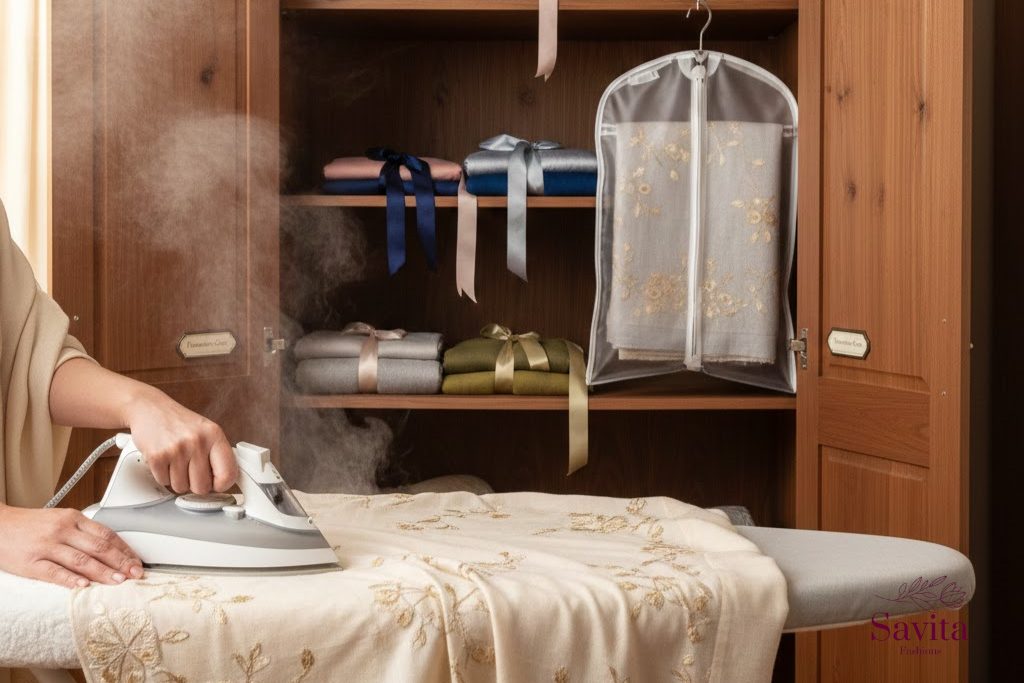
Step 3: Place a Cotton Cloth Over the Pashmina
Direct contact between the iron and handmade Pashmina should always be avoided. One of the golden rules of Ironing and Storing Pashmina is to create a protective barrier between the iron and the fabric.
Correct method:
- Lay the Pashmina shawl flat on an ironing board
- Place a thin cotton or muslin cloth over the entire surface
- Gently press the iron without dragging or sliding
This technique prevents shine marks, fiber compression, and heat damage. Using a protective cloth safeguards the fine wool fibers and maintains the shawl’s original softness, making it an essential step in proper Ironing and Storing Pashmina.
Step 4: Avoid Direct Steam on Pashmina
While steam can help release wrinkles, it must be used with extreme care during Ironing and Storing Pashmina. Direct steam or water droplets can penetrate the fine fibers, leading to moisture damage and structural weakening.
Best practice for steaming:
- Hover the steam function slightly above the shawl
- Allow gentle heat to relax wrinkles naturally
- Ensure no water droplets touch the fabric
Excess moisture can disturb the intricate fiber alignment achieved through Kashmiri craftsmanship and may cause discoloration or texture loss. Controlled, indirect steaming supports safe Ironing and Storing Pashmina while preserving its luxurious feel.
Alternative Ways to Remove Wrinkles Without Ironing
There are many instances when it comes to effective Ironing and Storing Pashmina that an iron is not needed at all. This is because Pashmina fibers are very soft and do respond very well to gentle handling, and thus the wrinkles often disappear on their own. The natural and non-heat-based methods of removing wrinkles are the safest ways to keep handmade Pashmina and prolong its life. These alternative methods of wrinkle removal are safe, natural, and in complete harmony with good Ironing and Storing Pashmina practices.
Natural Wrinkle-Removal Methods for Pashmina
Hang the Shawl in a Steamy Bathroom
A secure option among methods of ironing is the use of mild steam from a bathroom. The shawl should be placed at a distance while the person is taking a warm shower, letting the indirect steam to soften the fibers naturally. This technique is very mild and does not cause any wrinkles; instead, it makes the fabric more tolerant to heat and pressure plus, the quality of Ironing and Storing Pashmina is improved. The steam penetrates the fibers and, at the same time, the softness brought in by the skillful Pashmina weaving is not lost.
Lay the Shawl Flat Under a Light Cotton Cloth
Another effective method for wrinkle removal without heat involves laying the Pashmina shawl flat on a clean surface. Place a light cotton cloth over it and allow the fabric to rest undisturbed for several hours. The weight of the cloth helps smooth creases naturally while preventing sharp folds. This gentle approach supports proper Ironing and Storing Pashmina by maintaining the fabric’s natural structure.
Roll the Shawl Gently Instead of Folding
Rolling Pashmina instead of folding is an excellent technique for both wrinkle prevention and storage. Gently rolling the shawl avoids sharp creases that stress the fibers and cause permanent marks. This method is especially beneficial for long-term Ironing and Storing Pashmina, as it protects the delicate fibers and maintains the smooth finish achieved through traditional Kashmiri craftsmanship.
Why Heat-Free Methods Are Best for Pashmina
Using natural wrinkle-removal techniques helps maintain the integrity of handmade Pashmina and preserves the fine alignment of fibers achieved during the Pashmina weaving process. These methods reduce the risk of heat damage, fiber breakage, and texture loss. Incorporating these practices into your routine ensures that Ironing and Storing Pashmina remains safe, effective, and respectful of the artistry behind every luxury shawl.
Why Proper Storage Is as Important as Ironing
The Right Way to Store Your Pashmina Shawl
While ironing helps restore the smooth and refined appearance of a Pashmina shawl, proper storage is what truly preserves its life, structure, and softness. Effective Ironing and Storing Pashmina go hand in hand, as even perfectly ironed Pashmina can deteriorate quickly if stored incorrectly. Handmade Pashmina fibers are extremely delicate and require a controlled environment that supports breathability and fiber stability. Without the right storage methods, the benefits of careful ironing are quickly lost.
How Incorrect Storage Damages Pashmina
Improper storage practices can silently damage Pashmina over time, often without visible signs in the beginning. When Ironing and Storing Pashmina is not done correctly, the shawl becomes vulnerable to environmental threats and physical stress. Common storage-related issues include:
- Attraction of moths, which feed on natural wool fibers and cause irreversible damage
- Fiber breakage, resulting from pressure, friction, or prolonged hanging
- Permanent creases, caused by sharp folds or cramped storage spaces
These problems weaken the integrity of handmade Pashmina and diminish the refined finish created through traditional Pashmina weaving.
The Connection Between Ironing and Storage
Ironing and storage are directly related to each other in luxury fabric care. When done properly, ironing and storing Pashmina keeps the fibers relaxed, aligned, and protected as if the shawl were still being used. On the other hand, storing incorrectly can do the opposite of the ironing process by creating new creases, adding moisture damage, or stressing the fibers. This is the main reason why ironing and storage can never be seen as two different steps but rather as two supportive parts of a whole Pashmina care routine.
Preserving the Life of Handmade Pashmina
Proper Ironing and Storing Pashmina will certainly make the shawl very soft, keep its shape, and wear it for years. Breathable storage and gentle folding ensure that the Pashmina is still classy and that the beauty of Kashmiri craftsmanship is still recognized. The careful storing not only helps the fabric but also the heritage, skill, and artisanship that are behind every luxurious Pashmina shawl.
Step 1: Always Store Pashmina Folded
Never hang your Pashmina for long durations.
Why folding is better:
- Prevents stretching
- Maintains original shape
- Protects handmade fibers
Gentle folding is essential for correct Ironing and Storing Pashmina.
Step 2: Use Breathable Fabric Covers
Avoid plastic at all costs.
Best storage materials:
- Cotton bags
- Muslin cloth
- Linen covers
Plastic traps moisture and damages fibers developed through the traditional Pashmina process.
Step 3: Add Natural Moth Repellents
Pashmina is natural wool, making it attractive to moths.
Safe repellents include:
- Cedarwood blocks
- Neem leaves
- Dried lavender
Avoid chemical mothballs, as they harm handmade Pashmina and compromise Kashmiri craftsmanship.
Step 4: Store in a Cool, Dry Place
Humidity and heat are enemies of Pashmina.
For safe Ironing and Storing Pashmina:
- Avoid direct sunlight
- Keep away from damp areas
- Ensure airflow in storage space
How Ironing and Storing Pashmina Protects Its Value
Luxury Pashmina is an investment. Proper Ironing and Storing Pashmina:
- Maintains resale and heirloom value
- Preserves softness and warmth
- Protects authenticity and craftsmanship
Brands like Savita Shawls emphasize care because each piece reflects generations of Kashmiri craftsmanship.
Final Thoughts: Preserve Your Pashmina the Right Way
Pashmina is much more than fabric—it is a symbol of luxury, cultural heritage, and elegance that never fades. The real trick behind keeping the beauty of Pashmina is to know the right way of ironing and storing Pashmina. Due to its delicate nature of being handmade, Pashmina needs ironing techniques that are gentle, storage solutions that allow air to circulate, and careful handling that is done with a lot of thought at every stage of taking care of Pashmina.
When this respect is shown to the fabric, it can keep its characteristic softness, natural warmth, and beautiful drape even for a hundred years. Thoughtful ironing and storing Pashmina ensures that the finest fibers are not only intact but also strong and alive. This way, the damage caused by too much heat, moisture or wrong folding can be avoided. The shawl’s original texture and radiance are guaranteed through the use of low-heat ironing methods, avoiding direct contact, and choosing proper storage materials.
These practices are indispensable for the protection of the fine detailing accomplished by the traditional Pashmina weaving method and the skilled artistry of each handmade piece. When Pashmina shawls from Savita Shawls are correctly taken care of, they continue to be the embodiment of the soul of Kashmiri craftsmanship and the superiority of authentic Pashmina artistry. Proper ironing and storing Pashmina transforms your shawl from being an accessory of the season into a luxury that lasts for a lifetime—one that speaks of heritage, artistry, and sophistication that never fades.
Related Products
Showing 793–801 of 805 results
-
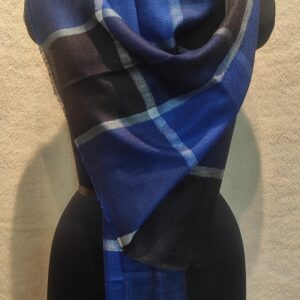
BLUE SILK BOX SILK SCARVES MANUFACTURER
Read more -

CREAM SILK BOX SILK SCARVES MANUFACTURER
Read more -
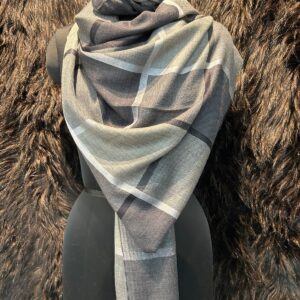
GREY SILK BOX SILK SCARVES MANUFACTURER
Read more -
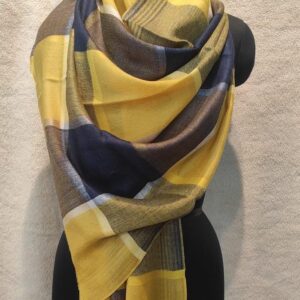
YELLOW SILK BOX SILK SCARVES MANUFACTURER
Read more -
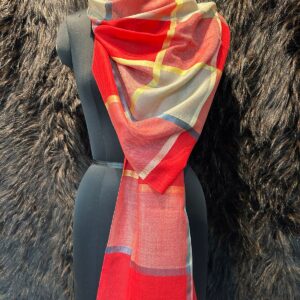
RED SILK BOX SILK SCARVES MANUFACTURER
Read more -
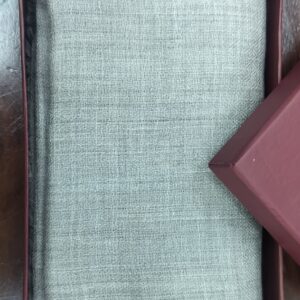
Light Grey Diamond Weave Pashmina Shawls & Scarves Manufacturer
Read more -
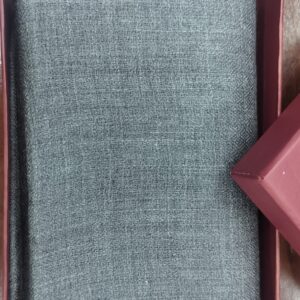
Dark Grey Diamond Weave Pashmina Shawls & Scarves Manufacturer
Read more -
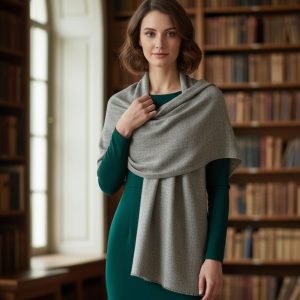
Beige Diamond Weave Pashmina Shawls & Scarves Manufacturer
Read more -
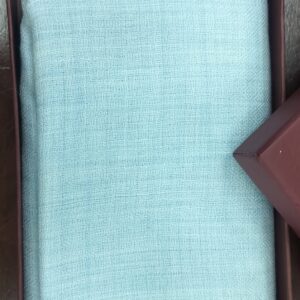
Sky Blue Diamond Weave Pashmina Shawls & Scarves Manufacturer
Read more