
Introduction: Understanding the Soul of Pashmina Weaving
Pashmina shawls are not merely winter accessories; they are forever pieces of art that are deeply connected to tradition, patience, and heritage. To fully experience the luxury of a Pashmina shawl, one has to know Pashmina weaving and the expert craftsmanship that goes into it. The process from the raw fiber to the elegant shawl is very long, intricate, and full of the wisdom of the ages that has been handed down through generations.
The Pashmina process is very much associated with the skilful Kashmiri craftsmen who, with their exceptional skills, spend weeks and even months sometimes to make one masterly piece of art. Brands like Savita Shawls are helping to keep this tradition alive by supporting the use of the genuine handmade Pashmina weaving techniques. In this blog, we invite you to the world of Pashmina weaving and show you the process howthese beautiful shawls are made, step by step.
What Is Pashmina? The Foundation of Pashmina Weaving
Understanding Pashmina is very important, and then only we can get to know the complicated and beautiful technique of Pashmina weaving. Pashmina is not a mere fabric but it is the main foundation of the whole traditional Pashmina weaving which has lasted for centuries. Pashmina denotes the super-fine and rarest kind of cashmere wool that is obtained from the undercoat of the Changthangi goat, whose other name is the Pashmina goat.
The native range of these goats is the extreme altitude areas of Ladakh where the mercury frequently dives to subzero levels. To adapt to such harsh climatic conditions, these goats develop a very delicate and soft undercoat which is later used as raw material for the genuine Pashmina weaving process.
Origin of Pashmina Wool and Its Role in Pashmina Weaving
Pashmina weaving quality is determined by the meticulous collection of Pashmina wool that has been carefully collected. Genuine Pashmina is not machine-sheared, but rather hand-combed during the spring molting season. This method of collecting the crops ensures that only top-quality fibers are harvested, preserving the softness and strength necessary for handmade Pashmina weaving.
The wool’s fineness is simply amazing; it is often less than 16 microns in diameter, which is also finer than human hair. Artisans can achieve such delicacy and create very intricate patterns and textures which are the characteristics of high-quality handwoven Pashmina shawls. Without this ultra-fine fiber, the skill level associated with luxury Pashmina weaving would not be reached.
Key Characteristics of Pashmina Wool
Pashmina wool possesses unique properties that make it the perfect material for traditional Pashmina weaving:
- Extremely fine fibers, thinner than human hair, enabling intricate and detailed Pashmina weaving
- Exceptional softness, offering unmatched comfort against the skin
- Natural insulation, providing warmth without heaviness—ideal for cold climates
- Breathable and lightweight texture, enhancing wearability throughout the year
- High adaptability for handloom techniques, essential for authentic handmade Pashmina weaving
These qualities not only elevate the finished product but also highlight why Pashmina weaving cannot be replicated using ordinary wool or synthetic fibers.
Why Pashmina Is the Backbone of Authentic Pashmina Weaving
What sets authentic Pashmina weaving apart from mass-produced ones are the rare and pure characteristics of Pashmina wool. Wool’s natural strength and finesse are the basis for each step of the Pashmina process—from fiber collection and cleaning to spinning and weaving. This is why traditional Pashmina weaving is still a slow, meticulous craft passed on through the generations of skilled artisans. Pashmina wool is super delicate and precious at the same time, so it requires professional handling during weaving. The artisans have to keep the tension on the loom consistent, meaning that the fibers won’t break but still being able to reach the delicacy, transparency, and softness that are the characteristics of the high-quality Pashmina weaving.
The True Essence of Pashmina Weaving Begins Here
Ultimately, Pashmina is the very spirit of Pashmina weaving. The process of weaving, in fact, the entire aspect of the process, was influenced by its natural qualities: the texture, warmth, durability, and aesthetic appeal of the final product.
If Pashmina wool were not the case, then the whole artistry and heritage related to traditional Pashmina weaving would be gone. By knowing what Pashmina is, you will be able to recognize the skill, effort, and the cultural legacy that every hand-woven Pashmina shawl has been through. The very rare wool is the one that lets the simple threads turn into timeless masterpieces with the help of Pashmina weaving art.
The Origin of Pashmina Weaving in Kashmir
The narrative of Pashmina weaving cannot be told without mentioning the cultural and artistic heritage of Kashmir. Kashmir has for centuries been the spiritual and artistic ground of handmade Pashmina where the skilled hands of the artisans made luxurious shawls out of the rare Pashmina wool that was famous all over the continents. The first traces of Pashmina weaving in Kashmir go back several hundred years when the region became a global center of fine textile craftsmanship.
Historical documents assert that the traditional Pashmina weaving was supported really well by the royal court, especially during the Mughal period. Kings, emperors, and the upper classes admired Pashmina shawls from Kashmir for their warmth, beauty, and elaborate patterns. The royal favor not only increased the demand for Pashmina but also helped to transition it from a local craft to the status of an internationally recognized art form.
A Legacy of Kashmiri Craftsmanship
Kashmiri Pashmina weaving is not just a technical skill but a legacy that has been passed on over time. The exceptional fineness of Pashmina fiber, however, would only be handled and damaged by the methods created by master artisans who would invent unique hand-weaving techniques. These very same procedures that have been there for centuries are still applied nowadays, thereby keeping the genuineness of handwoven Pashmina shawls intact. Kashmiri Pashmina weaving, unlike industrial textile production, is a slow, mindful, and highly artistic process.
The time taken for each shawl is a matter of weeks or even months, depending on the intricacy of the design. Every process from spinning the delicate Pashmina yarn by hand to weaving it on traditional looms shows patience, accuracy, and respect for the craft. The emotional depth is the main characteristic that distinguishes Kashmiri Pashmina weaving. Rather than playing the role of mere manufacturers of articles, the artisans insert stories, heritage, and the pride of their culture into each and every thread. It is this very soulful process that bestows upon the handmade Pashmina its unmatched grace and timeless attractiveness.
Cultural Influence on Traditional Pashmina Weaving
The very motifs and patterns in Pashmina weaving are largely influenced by the stunning natural scenery and the vibrant cultural history of Kashmir. The Pashmina shawls that are adorned with floral designs, paisleys, chinar leaves, and patterns inspired by the Mughal dynasty are just some of the common ways among others to signify Kashmir’s artistic identity.
The creation of these traditional motifs is usually done without printed guides, but solely on the memory and skill of the artisan. This kind of craftsmanship brings out the point again and again why even the most sophisticated machines cannot produce authentic Pashmina weaving.
Why Kashmir Is the Heart of Handmade Pashmina
Kashmir continues to be the undisputed heart of handmade Pashmina weaving due to a unique combination of skill, environment, and tradition:
- Highly skilled artisans, trained from a young age in traditional Pashmina weaving techniques
- Favorable natural climate, ideal for handling and weaving delicate Pashmina fiber
- Traditional wooden handlooms, still used to preserve the authenticity of Pashmina weaving
- Centuries-old artistic heritage, influencing intricate patterns and timeless motifs
- Community-based craftsmanship, where knowledge of Pashmina weaving is passed through generations
These factors together ensure that Kashmir remains the global epicenter of genuine Pashmina weaving, despite the rise of mass-produced imitations.
The Enduring Global Appeal of Kashmiri Pashmina Weaving
The Pashmina weaving of Kashmir is still very much alive today owing to its commitment to genuineness and skillful workmanship. In the era of fast fashion, Pashmina that is made by hand is a sign of slow luxury, sustainability, and cultural preservation at the same time. Each Pashmina shawl woven by hand signifies not only heat and elegance but also millennia of tradition, creative skill, and human empathy. This is the reason why Pashmina weaving from Kashmir is still peerless and has been attractive to collectors, designers, and luxury aficionados all over the world.
Step 1: Collecting the Raw Pashmina Fiber
The process of Pashmina weaving starts a long time prior to the loom being set up or the yarn being prepared. The most important step in the Pashmina weaving process and the very first step is the raw Pashmina fiber’s collection in an ethical and natural way. The first stage of this process is responsible for the quality, softness, and durability of every Pashmina shawl made by hands.
Ethical and Natural Collection of Pashmina Wool
The real Pashmina weaving is dependent on the wool that is taken from Changthangi goats, which are found in the coldest part of the world and have adapted to the extreme climates of Ladakh. The goats naturally lose their uppermost layer of fine fur during the spring molting period when the weather gets warmer. Artisans do not use the method of shearing, which could cause damage to the soft fibers, but instead they collect the wool through the very careful procedure of hand-combing the goats.
The traditional and caring method that the artisans use keeps the animals unharmed, thus making Pashmina weaving so to speak, a product of sustainable and ethical practices. The combing not only aids in maintaining the original length and fineness of the fiber but also adds the required qualities for high-quality handmade Pashmina weaving.
Characteristics of Raw Pashmina Fiber
At this initial stage, the collected Pashmina wool is far from ready for weaving. Although naturally luxurious, raw Pashmina fiber has several imperfections that must be addressed before it can be used in Pashmina weaving:
- Extremely soft yet tangled texture, making it difficult to handle
- Mixed with coarse guard hair, which must be removed for fine weaving
- Contains natural impurities, such as dust, grease, and vegetable matter
- Unsuitable for immediate use, as it lacks the smoothness required for loom work
These characteristics highlight why raw fiber must undergo careful refinement before entering the Pashmina weaving stage.
Why Refinement Is Essential Before Pashmina Weaving
At this time in the procedure, Pashmina weaving has not started yet. The raw fiber is weak and unorganized, thus, it needs several preparations to be turned into spinnable yarn. If the fiber is not cleaned and sorted properly, it will break during the weaving and the final product will be of low quality.
The quality of the traditional Pashmina shawls highly relies on the precision of the handling of the raw fiber. Artists with good skill know that the quality of the shawl made at the end is associated to the amount of attention paid during this early stage of the Pashmina process.
The Foundation of Fine Pashmina Weaving
Getting raw Pashmina fiber is not just a preparatory step, but it is actually the real foundation of the whole process of Pashmina weaving. Sourcing with good ethics, very gentle handling and consideration of the natural cycles all ensure that the soft and strong fiber goes through the whole process of weaving without losing its qualities.
The only time that the fiber is ready for the loom is after it has been cleaned, dehaired, and hand-spun. The next steps slowly change the raw wool into fine yarn, that is, the crafting skill of the Pashmina weaving authentic becomes the next phase.
Step 2: Cleaning and Sorting the Pashmina Wool
Following the ethical extraction of raw fiber, cleaning and sorting of Pashmina wool is the next important procedure in Pashmina weaving. This stage is important in the process of making the fiber suitable for manual Pashmina weaving because even a tiny impurity can influence the softness, strength, and the eventual look of the shawl.
Preparing the Fiber for Handmade Pashmina
The raw Pashmina wool is delivered in a state that requires refining, having natural oils, dirt, dust, and the coarse guard hairs included. The fiber has to undergo a careful purification process to be made suitable for weaving Pashmina. This laborious preparation makes sure that only the best quality wool is used in the traditional Pashmina weaving process. Kashmiri craftsmen do not use any machines but rather the entire manual technique for cleaning and sorting.
Their skilled hands can tell ultra-fine Pashmina from thicker hair, which is a capability that has been acquired over a long period of time through engaging in real Pashmina weaving.
What Happens During the Cleaning Process
The cleaning and sorting phase of Pashmina weaving involves several delicate steps, all performed by hand to protect the fragile fibers:
- Manual removal of dust and dirt, ensuring the wool is clean without damaging its natural softness
- Separation of coarse guard hairs, which are unsuitable for fine Pashmina weaving
- Elimination of vegetable matter and impurities, such as twigs or seeds
- Careful selection of the finest fibers, reserved exclusively for handmade Pashmina weaving
This process requires patience and precision, as excessive force can weaken or break the delicate Pashmina fibers.
Why Cleaning Is Essential for Quality Pashmina Weaving
Proper cleaning directly influences the success of Pashmina weaving. If coarse hairs remain in the wool, the final fabric may feel rough or uneven. Similarly, leftover impurities can disrupt spinning and cause thread breakage during weaving.
By refining the fiber at this stage, artisans ensure smoother yarn, better tensile strength, and a flawless finish in the final shawl. This is why cleaning and sorting are considered among the most important preparatory steps in handwoven Pashmina weaving.
A Testament to Authentic Kashmiri Craftsmanship
The labor-intensive nature of this stage highlights the dedication behind Kashmiri Pashmina weaving. Every handful of wool is inspected, cleaned, and sorted manually, preserving techniques that have been practiced for generations.
This commitment to craftsmanship ensures that only the purest fibers continue to the next stage of the Pashmina process—hand spinning. It is this unwavering attention to detail that gives authentic Pashmina weaving its legendary softness, elegance, and lasting value.
Step 3: Spinning – The Heart of Pashmina Weaving
Among all stages of the Pashmina process, spinning is widely regarded as the true heart of Pashmina weaving. This delicate step transforms refined Pashmina fiber into fine, usable yarn, making it a defining factor in the quality, softness, and authenticity of handmade Pashmina shawls.
Transforming Fiber into Yarn Through Traditional Methods
In traditional Pashmina weaving, spinning is performed entirely by hand using a wooden spinning wheel known locally as a yinder. The cleaned and sorted Pashmina fiber is gently twisted into yarn through controlled movements, ensuring that the fibers remain intact and evenly aligned.
Because Pashmina fibers are extremely fine and fragile, this process requires exceptional skill and patience. A single mistake can break the thread, which is why hand-spinning remains irreplaceable in authentic Pashmina weaving. Machine spinning, by contrast, applies excessive tension and heat, damaging the fiber’s natural structure.
Why Hand-Spinning Is Essential in Pashmina Weaving
Hand-spinning plays a critical role in preserving the natural properties of Pashmina wool. It allows artisans to adjust tension and thickness in real time, ensuring the yarn is perfectly suited for handmade Pashmina weaving.
Key benefits of traditional hand-spinning in Pashmina weaving include:
- Preservation of natural softness, maintaining the luxurious feel of Pashmina
- Prevention of thread breakage, protecting ultra-fine fibers
- Uniform yarn thickness, essential for smooth and consistent weaving
- Enhanced durability, allowing the yarn to withstand loom tension
Without this careful approach, the yarn would lose the qualities that make Pashmina weaving unique and valuable.
The Skill Behind Hand-Spun Pashmina Yarn
Hand-spinning for Pashmina weaving is often carried out by experienced artisans, many of whom have inherited this skill through generations. Their expertise allows them to sense the fiber’s resistance and adjust the spinning rhythm accordingly.
This human touch gives hand-spun yarn its signature character—lightweight yet strong, delicate yet resilient. Such yarn forms the backbone of genuine handmade Pashmina weaving, ensuring the final shawl drapes beautifully and ages gracefully over time.
Why Machine-Spun Yarn Falls Short in Pashmina Weaving
Machine spinning might be quicker, but it still can’t match the finesse authors required for traditional Pashmina weaving. The intense mechanical force reduces the fiber’s natural elasticity to the point where the resulting yarn feels rough and is not very durable.
Thus, genuine Pashmina craftsmen still depend on hand-spun yarn because it holds the very essence of Pashmina weaving and makes it possible for every shawl to be authentic in terms of its heritage and craftsmanship.
The Foundation for Fine Pashmina Weaving
Spinning is more than a technical step—it is the stage where Pashmina fiber truly comes alive. The quality of the hand-spun yarn determines how smoothly the weaving process unfolds and how refined the final product will be.
In essence, hand-spinning is the silent strength behind every masterpiece of Pashmina weaving, bridging raw fiber and exquisite fabric through skill, tradition, and patience.
Step 4: Dyeing the Yarn Using Traditional Methods
Once the delicate yarn has been hand-spun, the next crucial stage in the Pashmina weaving process is dyeing. This step adds visual richness and character to the fabric while preserving the softness that defines authentic Pashmina weaving. Traditional dyeing techniques ensure that color enhances the yarn without weakening its fragile fibers.
Natural Colors and Artisanal Precision in Pashmina Weaving
In the traditional process of Pashmina weaving, the craftsmen use eco-friendly and natural dyes made from flowers, minerals, roots, and leaves. These dyes have been in use for ages in Kashmir and are known for their delicate colors, richness, and durability. The pigments from nature mix flawlessly with the Pashmina fiber unlike the synthetic ones, thus the latter’s property of being breathable and lightweight is retained. The dyeing operation is done with very high accuracy.
The yarn made from hand-combed wool is plunged into the dye baths and at the same time, the boiling is done in the laboratory at controlled temperatures. This slow and careful treatment helps in keeping the color to penetrate through the fiber uniformly without losing the delicate structure that is very important for making Pashmina by hand.
Dyeing in the Pashmina Process
The dyeing stage of Pashmina weaving involves several carefully monitored steps, each designed to protect fiber quality:
- Extraction of natural dyes from flowers, roots, herbs, and minerals
- Gentle boiling of the yarn, ensuring even color absorption
- Careful fixing of colors, preventing fading over time
- Sun-drying the dyed yarn, preserving softness and fiber strength
Each phase is handled manually, reflecting the artistry and patience behind authentic Pashmina weaving.
Why Traditional Dyeing Matters in Pashmina Weaving
The traditional dyeing methods have an important part in the preservation of Pashmina weaving. Industrial dyeing using harsh chemicals and high heat can completely take away the natural oils in the yarn which results in the yarn being brittle and rough. On the other hand, eco-conscious dyeing not only retains the luxurious hand-feel but also keeps the yarn strong enough for loom weaving.
This delicate balance of color and fiber quality is the main factor that separates genuine handwoven Pashmina from the mass-produced knockoffs.
Sustainability and Brand Responsibility in Pashmina Weaving
Savita Shawls, among the leading heritage brands, highlight sustainable and responsible dyeing practices as one of the ways they contribute to the preservation of authentic Pashmina weaving. These brands not only using eco-friendly dyes and traditional techniques to protect the fiber but also the environment and the artisan communities involved in the Pashmina process.
Responsible practices like these guarantee that every Pashmina shawl is a perfect representation of the triad: craftsmanship, sustainability, and timeless elegance.
Preparing Dyed Yarn for the Loom
Then, the yarn undergoes color inspection and its strength measured after the dying and sun-drying processes. Only the yarn with perfect dyeing goes to the loom and then to the next step of Pashmina weaving—the intricate hand-weaving process itself. This step secures the harmony between the color and the art of Pashmina weaving making the shawls that are extremely soft and visually stunning at the same time.
Step 5: Setting Up the Handloom
Where Kashmiri Craftsmanship Comes Alive
Now that the yarn has been dyed and prepared, the Pashmina weaving process arrives at a turning point—the installation of the traditional handloom. It is at this moment that the raw material and its preparation are changed into real art. The moment the loom is set up with the yarn, Pashmina weaving starts with the aid of the ancient Kashmiri still craftsmanship. The traditional wooden handlooms that are still in use all over Kashmir have been tailor-made for processing the Pashmina yarn of finer-than-a-hair quality.
In contrast to the modern mechanical looms, the traditional ones give the artisans the opportunity to oversee the thread’s every move, thus ensuring diligence and accuracy in the whole handmade Pashmina weaving process.
The Importance of Handloom Setup in Pashmina Weaving
Setting up the handloom is one of the most technical and skill-intensive stages of Pashmina weaving. A perfectly prepared loom ensures smooth weaving, even fabric texture, and long-lasting durability in the final shawl. Any imbalance at this stage can affect the entire weaving process.
Artisans must first stretch the warp threads—the lengthwise threads of the fabric—onto the loom. These threads must be aligned with exceptional accuracy, as they form the structural foundation of Pashmina weaving.
Handloom Preparation Involves
The preparation of the handloom for traditional Pashmina weaving includes several precise steps:
- Careful alignment of warp threads, ensuring symmetry and consistency
- Maintaining even thread tension, preventing breakage of delicate Pashmina yarn
- Planning intricate design patterns, including borders and motifs
- Adjusting loom settings, based on yarn thickness and design complexity
Each of these tasks requires not only technical skill but also an intuitive understanding of the Pashmina fiber.
Experience and Patience in Handmade Pashmina Weaving
The handloom setup process does not allow for a hurry. It is basically the skilled Kashmiri artisans who are able to know all the factors like tension, spacing and pattern placement by their years of experience. The handloom preparation is thereby a deeply cultural aspect of authentic Pashmina weaving since this kind of knowledge is often transferred from one generation to another.
The artisan has to mentally create the final shawl prior to the start of the weaving process. At this point, every motif, border and texture is already mapped in the mind which guarantees perfect execution at the time of weaving.
The Foundation of Masterful Pashmina Weaving
The groundwork of Pashmina weaving is turned here at this stage, which connects preparation and creation. Setup of the loom perfectly, the craftsman can confidently start weaving, being sure that the yarn will move without any trouble and stay intact. The process of handloom setup is the point where tradition, accuracy, and artistry come together.
It is at this very spot that Kashmiri skill takes the labor of the Pashmina’s intricate beauty that is considered its hallmark, hidden in the making, and that is, in fact, the handmade Pashmina weaving.
Step 6: The Actual Pashmina Weaving Process
Weaving Each Thread by Hand
During the actual weaving stage, the true soul of Pashmina weaving is absolutely uncovered. Thereby, the whole process that took months – gathering the fiber, cleaning it, spinning it, dyeing it, and setting up the loom – comes together and results in a lovely handmade Pashmina shawl. This step, among all, is the most time-consuming and skill-demanding part of the Pashmina weaving process.
Weaving a single shawl can take a minimum of 10 days and a maximum of several months, depending on the intricacy of the design, pattern, and fineness of the yarn. Intricate motifs, dense textures, or detailed borders ask for even more patience, which turns the handmade Pashmina weaving into a true labor of love.
The Art of Traditional Pashmina Weaving
In authentic Pashmina weaving, every thread is interlaced by hand using slow, rhythmic movements. Artisans work without electricity or automated machines, relying solely on traditional wooden handlooms and their own skill. This deliberate pace allows complete control over thread placement, ensuring consistency and perfection in the fabric.
Each pass of the weft thread through the warp threads is carefully guided, with artisans frequently pausing to inspect alignment and tension. This hands-on approach is what gives handwoven Pashmina its signature softness, even texture, and graceful drape.
Features of Handmade Pashmina Weaving
The defining characteristics of genuine Pashmina weaving set it apart from machine-made imitations:
- No electricity or mechanical equipment, preserving traditional craftsmanship
- Slow, rhythmic hand movements, ensuring precision and consistency
- Continuous quality checks, detecting imperfections instantly
- Exceptional attention to detail, even in unseen sections of the shawl
These elements collectively uphold the authenticity of traditional Pashmina weaving.
The Artisan’s Role in Pashmina Weaving
Every craftsman adds his/her individual skill and artistic feeling to the Pashmina weaving process. The one creating the piece has to always change the hand pressure, the space among threads, and the loom tension according the way of the extremely fine Pashmina yarn.
This continual relationship between the craftsman and the material gives birth to a different shawl every time. The handmade Pashmina pieces can never be perfectly the same, since through the human contact—small differences occur naturally—plus the last creation has this charm and individuality.
Time, Patience, and Precision in Pashmina Weaving
Not only the slow pace of Pashmina weaving is seen as a limitation but also as a great strength. It permits the fabric to gain strength gradually, thereby producing shawls that are light in weight but surprisingly strong. Hurrying this method would spoil the quality and life of the fabric at the same time. This explains why real Pashmina cannot be produced in large quantities. The period of time taken for the original Pashmina weaving is a sign of honoring the art, the source, and the user.
A Fabric Woven with Dedication
Every inch of fabric produced through Pashmina weaving tells a story of patience, heritage, and mastery. The rhythmic sound of the loom, the careful movement of hands, and the unwavering focus of the artisan together create a textile that transcends fashion trends.
This stage defines the essence of Pashmina weaving, transforming fine yarn into a timeless masterpiece that carries the soul of Kashmiri craftsmanship.
Step 7: Embellishment and Design Work
Enhancing Beauty Through Kashmiri Art
Once the cloth is woven with great precision by hand, the Pashmina weaving art proceeds to the next step—decoration and design. By the addition of fine embroidery and decorative features that draw on the Kashmir custom, a well-woven shawl turns into a masterpiece. Some Pashmina shawls are completely unadorned, others such as those that are not, still represent the summit of the hand-made Pashmina weaving process.
The Role of Embroidery in Pashmina Weaving
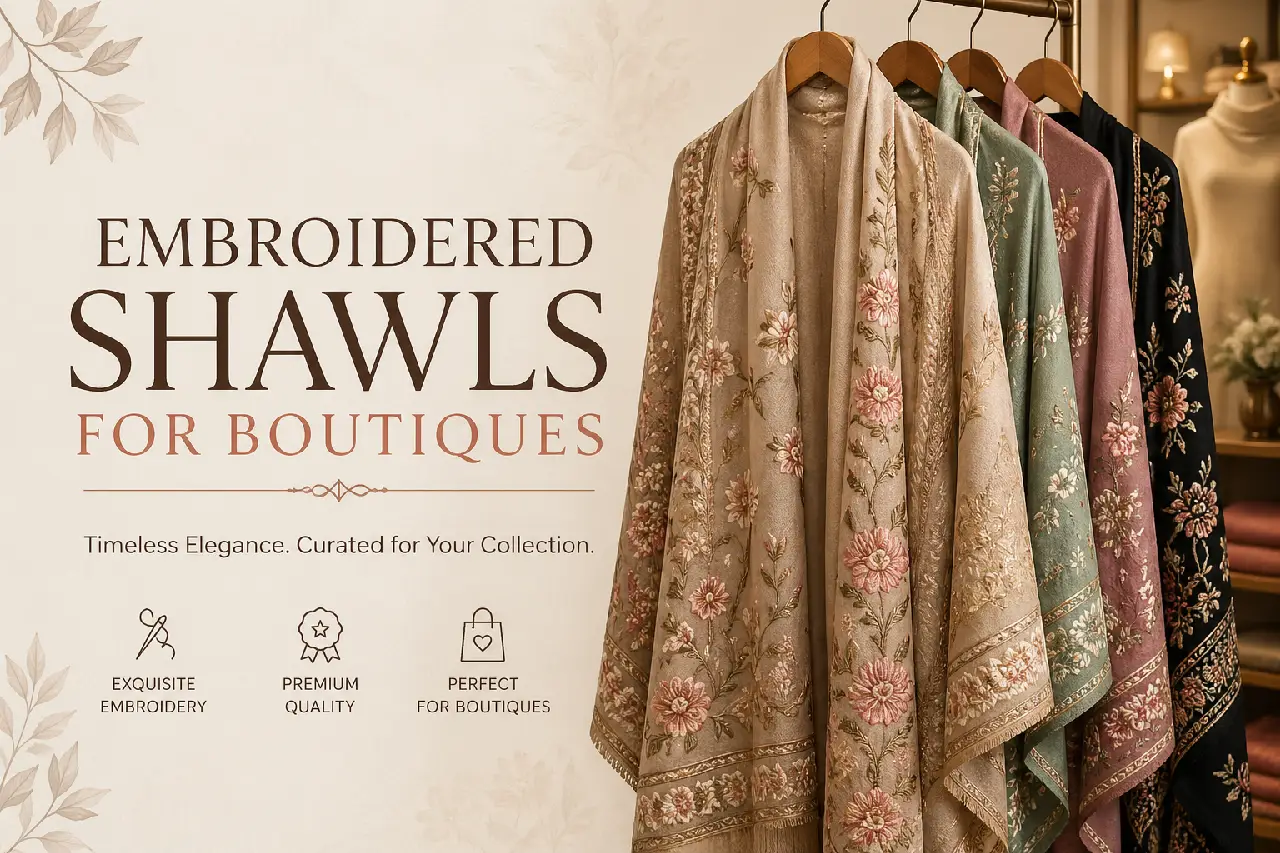
Traditional embroidery techniques like Sozni and Tilla are generally applied to the handwoven Pashmina shawls to improve their quality. The entire process of these embellishments is manual, and in most cases, very thin silk or metallic threads are used. Depending on the intricacy of the design, the entire work may take a few weeks or even several months to finish.
In the case of authentic Pashmina weaving, embroidery is very meticulously planned to enhance the fabric’s beauty rather than overpowering it or interrupting its natural fall. This subtle interplay of fabric and embellishment not only brings out the skill of the artisan but also highlights his/her admiration for the woven base.
Design Elements in Handmade Pashmina
The embellishment stage of Pashmina weaving draws heavily from Kashmir’s natural beauty and cultural history. Popular design elements include:
- Floral motifs, inspired by Kashmir’s gardens and landscapes
- Paisley patterns, symbolizing eternity and growth
- Traditional Kashmiri symbols, reflecting heritage and storytelling
- Delicate borders and central medallions, enhancing visual elegance
These motifs are often embroidered freehand, guided by the artisan’s experience rather than printed templates—further emphasizing the uniqueness of handmade Pashmina weaving.
Elevating Pashmina Weaving into Wearable Art
Textile craftsmanship has been surpassed and Pashmina weaving reached the stage of being considered as wearable art. The perfect combination of the two, the fine fabric and the delicate embroidery, gives rise to shawls that are not only sumptuous but also steeped in culture.
While the stitching of every single piece of Kashmiri work creates a differential in terms of quality, texture, and individuality, the final product is personalized to the artist’s own style of working. The embroidery forms part of the shawl but does not take it to the extreme; rather it draws attention to the beauty of the Pashmina weaving done underneath.
The Finesse of Kashmiri Craftsmanship
The art of Embellishment reveals the skills and the long time required for the work that are the characteristics of Kashmir’s craftsmen. The workers have to keep the same tightness of the silk thread and the same fineness to make sure that the embroidery and the woven fabric grow old beautifully together.
This last artistic touch not only adds to the uniqueness of the Pashmina weaving process but also turns every decorated shawl into a classic heirloom rather than a passing trend accessory.
Step 8: Washing, Finishing, and Softening
Final Touches in the Pashmina Process
Pashmina weaving’s last stage is washing, finishing, and softening, which is a necessary step that turns the shawl into a luxurious piece before the wearer gets it. Although the Pashmina shawl is finely woven and adorned, it still needs to go through the careful finishing process to improve its texture, look, and durability. This process guarantees that the loveliness of the handmade Pashmina weaving is kept in its most natural state.
Washing the Handwoven Pashmina Shawl
The shawl is first washed in clean, cold water very gently after the weaving process is over, this step taking away any dye residues left, oils and impurities that had become part of Pashmina during the weaving process. It is a subtler process than industrial washing, as the ultra-fine fibers are protected and the handwoven fabric’s integrity is maintained, thus explaining the delicate nature of washing Pashmina fibers.
No harsh detergents or mechanical agitation are used, as they can make the whole softness and structure very essential to authentic Pashmina weaving.
Finishing Steps in the Pashmina Process
After washing, the shawl undergoes a series of controlled finishing techniques designed to refine its final appearance:
- Gentle washing, ensuring cleanliness without fiber stress
- Controlled drying, often air-dried flat to prevent distortion
- Soft brushing, enhancing sheen and restoring natural fluff
Each finishing step is performed with precision, reflecting the same patience and care seen throughout the Pashmina weaving process.
Enhancing Softness and Sheen
Soft brushing is an essential step in the finishing process of Pashmina weaving. Artisans use fine, natural brushes to gently lift the surface fibers which not only gives the shawl its signature luminous sheen but also enhances the softness of the shawl. This procedure also contributes to the draping quality of the fabric, making it feel incredibly smooth against the skin. A shawl is produced that is lighter, softer, and more refined—characteristics of top-quality handwoven Pashmina.
Meeting Luxury Standards in Pashmina Weaving
Savita Shawls and other luxury brands enforce high-level quality standards in the last part of Pashmina weaving. Only after inspecting every single shawl for its texture, color, softness, and skill will it be declared ready.
These last adjustments make it possible for every item to not just show the talent of Kashmir’s artisans but also to be in line with the standards of picky customers who are after genuine and top-quality Pashmina weaving.
The Completion of the Pashmina Weaving Journey
With washing, finishing, and softening complete, the Pashmina shawl reaches its final form. What began as raw fiber from the high-altitude regions of Ladakh has now been transformed—through patience, skill, and tradition—into a timeless luxury textile.
Conclusion: The Timeless Beauty of Pashmina Weaving
The process of making Pashmina shawls is so intricate that one can only with difficulty discover the same depth, artistry, and heritage that go along with Pashmina weaving. The entire Pashmina weaving cycle from the ethical collection of raw fiber in the high altitude regions to the final wash and softening has been part of the craftsmanship for centuries that is characterized by patience, precision, and the passing of tradition.
During the entire process of Pashmina weaving, every step is done by master artisans who will give weeks or even months of their time skillfully creating one shawl. Out of how to hand-spin and dye the delicate yarn with nature’s colors to how to weave it on a traditional loom and even how to make it more beautiful with intricate Kashmiri embroidery, the whole journey is ruled by human hands instead of machines.
This is the dedication that allows the Pashmina weaving to be so soft, warm, and elegant that no other competitor stands a chance. The softness of the fabric is the main reason for the high value of Pashmina weaving, but still the cultural legacy is another reason. Each Pashmina shawl tells a different story as to where, how, and by whom it was made. The tale speaks of the famous Changthangi goats, the harsh Himalayan climate, the skilled hands of the best craftsmen, and the customs that have been carried from generation to generation. It is a dynamic emblem of Kashmiri legacy and an everlasting patina of finesse.
By wrapping yourself in a Pashmina shawl, you are not only getting a piece of fabric but also embracing a narrative that has been shaped by tradition, refined through the authentic Pashmina process, and brought to life through meticulous Pashmina weaving. This is one of the reasons genuine Pashmina surpasses trends and remains a cherished heirloom that only grows in beauty with time. Pashmina weaving, in the middle of the fast fashion and mass production world, is a symbol that the slow craftsmanship has an enduring beauty that is characterized by the fact that every thread matters, every detail counts, and every shawl is really unique.
Related Products
Showing 10–18 of 807 results
-

Beige & Soft Pink Wool Natural Ombre Pashmina Shawl for Women
Read more -

Rust Orange & Mint Green Wool Natural Ombre Pashmina Shawl for Women
Read more -
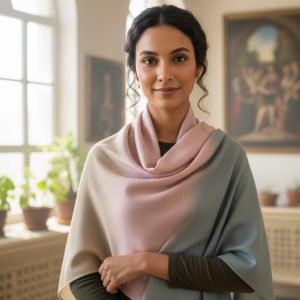
Beige Pink Grey Wool Natural Ombre Pashmina Shawl for Women
Read more -
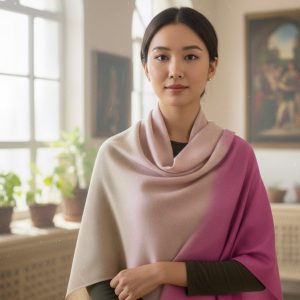
Beige Pink Magenta Wool Natural Ombre Pashmina Shawl for Women
Read more -
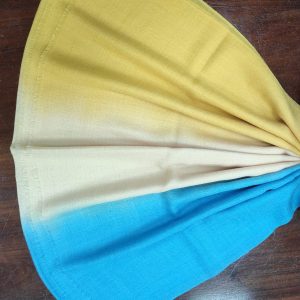
Yellow Beige Sky Blue Wool Natural Ombre Pashmina Shawl for Women
Read more -
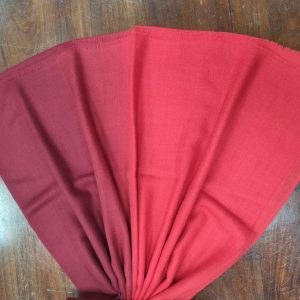
Crimson & Maroon Wool Natural Ombre Pashmina Shawl for Women
Read more -
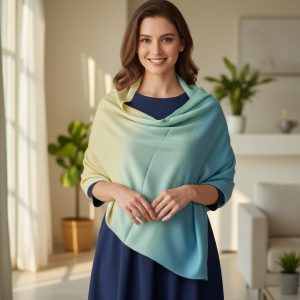
Beige, Mint Green & Teal Wool Natural Ombre Pashmina Shawl for Women
Read more -
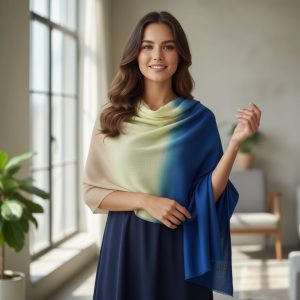
Beige, Cream & Royal Blue Wool Natural Ombre Pashmina Shawl for Women
Read more -
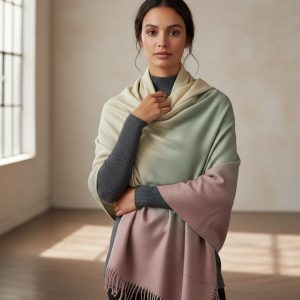
Beige, Sage Green & Mauve Wool Natural Ombre Pashmina Shawl for Women
Read more