Let’s take a shawl market – in Istanbul, New York or anywhere else – or an online marketplace. In each of them, hundreds of items labeled ‘pashmina’ would be displayed. The bad news is that most of these items are not even pashmina. They are hybrid fabrics, faux, or poor quality wool products camouflaged with a designer name and price.
Understanding how to identify real pashmina is one of the best capabilities a purchaser, reseller, or bulk buyer in this high-end fabric industry should possess. It saves you from monetary risk, and helps ensure the products match what is promised and paid for, a – a reputation saving measure for business owners who service these customers.
Pashmina is a pure natural fabric extremely light weight and among the costliest all over the planet. Its exclusivity lies in the fabric which is derived solely out of a peculiar breed of goat, which is known as the Capra hircus and in some lores as the Mushak goat, found in the higher altitudes of approximately 4,500 meters within the Indian Himalayan region of Ladakh and also within the neighboring peoples’ Republic of Tibet. Due to intense cold climatic conditions, the animals are poised to grow an extremely fine downy undercoat with an average fiber of 12 to 16 micron diameters—much finer than those for cashmere being at 17 to 21, and which is a scale else than those in a wool.
These factors explain why genuine pashmina is very soft, warm as light as a feather, and conforms tenderly to the wearer’s body. As with all such luxuries though, the cost is high. The Amaj and Reh goats, two very crucial breeds, can only be shorn once every year and produce around ten percent to twenty four percent of the total raw fleece weight of the adult goat coupled. However, they soft undercoat has to be manually combed up, and at which stage it is spun with the help of a divine wheel, and eventually, woven into the final product by the hands of experienced weavers – unheard of two week, weeks, and possibly months even for a simple shawl.
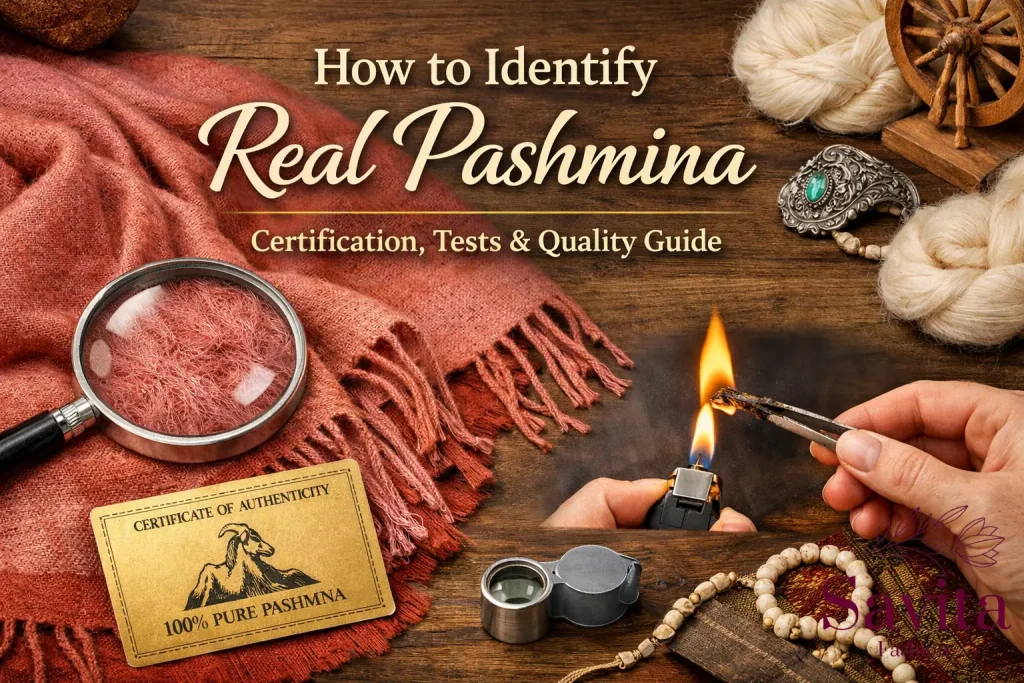
This guide includes every spread-out information in terms of how to identify real pashmina – pressing using hands and separations of the pashmina yarn for tests, verification of claims and exploration of buying guides, etc. This applies to both the new beginner who is still learning the ropes of trade or even the big wholesale buyer or retailer, the answer remains the same, the most comprehensive guide of this nature has already been written, and this is it.
Why Knowing How to Identify Real Pashmina Is Important
There are unreliable sellers everywhere selling, low-quality, phony and cheap cashmere, tendering everybody skills on how to distinguish genuine pashmina.
Every type of consumer of pashmina is more than concerned with pretty academic issues of how to tell authentic from counterfeit.
Mere consumers concern themselves with money and pleasure. A ‘pashmina’ shawl that is really just a wrap knitted with cheap acrylic costing between $30 and $80 can be bought in a market or on the internet. A pure, woman’s fetched pashmina, on the other hand, commands a considerably higher price and justifiably so. Without learning how to identify real pashmina yet paying an inflated price puts you at risk of getting cheated.
Such risks included legal risks involved in acting as retailers and wholesale buyers. Sourcing and selling fake pashmina shawls marketed as authentic brings within its ambit consumer protection laws in the US (FTC Textile Act), EU (EU Textile Regulation), and many other countries. Businesses have no valid reason to not understand how to identify real pashmina during the sourcing process as it is a dangerous commerciality as well as legally.
For companies or business dealings in brands and private labels, the effects of a case relating to authenticity are far reaching. A singular post calling into question the quality of pashmina in social media can destroy a brand which has taken long to build. The surest way of combating this lies in careful sourcing and more importantly how to identify real pashmina in supply chains crosswords such knowledge in downwardly.
More than just business, there lies an important aspect of culture and ethics. Pashmina is not just an item for sale but also a traditional art. In Kashmir, the pashmina shawl is an artifact that is made by skilled artisans who know how to spin, dye and weave all dimensions of the pashmina shawls. If a customer is tricked into buying an imitation because they cannot tell what real pashmina is, it is real artisans that are disregarded of their patronage and employment as well as their passion for making and practicing the art. Supporting genuine artistry is a choice, since it bolsters the person doing it.
What Is Real Pashmina and Why It Is So Valuable
Prior to the particular methodologies on how to identify real pashmina, exoteric knowledge on what sets it apart from other materials is necessary – and this difference warrants pricing it higher on the international markets.
Genuine pashmina has three main attributes: fiber provenance type, fiber thickness level and fabrication technique. On the first aspect of provenancing, genuine pashmina is exclusively from the downy fleece found in the Changthangi goat. It is not allowed to be from any other animal or region, by any processing technique and be correctly called pashmina. No matter how smooth clothes and furnishings made of Australian merino or Mongolian cashmere wool or any substitutes may get, they are not pashmina, and understanding how to identify real pashmina is the key from which this problem arises.
With respect to the diameter of the fiber, the original pashmina is from 12 to 16 microns. In simpler terms, a single hair strand is about 70 microns wide. When Improved forms of pashmina turned out to be remarkably fine, i.e. having a diameter of 12 to 16 microns, it was a magnificent achievement since none of the fibers, whether synthetic or even natural, has been able to reach the softness of the pashmina itself. Once you understand how to identify real pashmina genuine pashmina, know that this standard fiber partly visible to the naked eye is a benchmark against which all other products can be scratched.
Regarding the manufacturing methodology, it must be pointed out that each piece of genuine Kashmiri pashmina is laboriously done by hand right from the beginning to the end. The winter coat, from which raw fiber is collected, is harvested by hand combing the underfur of the goat during the spring when the goats naturally molt. The fiber is then cleaned by hand to remove any guard hair and dirt, spun on the hinder spinning wheel, and then woven on the Khadder by expert Kashmiri Weavers. It is due to such a time-consuming and dedicative effort that this resourceful pashmina shawl can be crafted in as many as 72 to 180 working hours only. It is also the reason why genuine pashmina is in its essence a true work of art that cannot be replaced.
Therefore, genuine pashmina can be said to have a value which resides in its objective existence in limited quantities, associated with the quality of the material used, and requiring skillful human intervention to all of its three aspects, none of which can be substituted for without altering the very essence of the goods.
How to Identify Real Pashmina by Touch and Feel
The very first and intuitive approach that one can adopt for “ how to identify real pashmina “ is employing the sense of touch. The first instrument one will ever use to test quality are their hands and overtime they form very precise verification means.
When exploring how to identify real pashmina by sense of touch, it is first that you notice the softness. It is impossible to mistake its softness for that of wool, synthetics or normal cashmere. Most people who come in touch with a real pure pashmina for the very first time, say that it’s almost like a scuba dive in the clouds — positively soft, including with hands, and even warm; the warmth being very pervasive more than the normal insulation. Fiber reaches the skin without any itching, itching or annoying. And if there is a tiny pashmina marked shawl irritates the skin and more particularly the dorsum of the wrist since this area is more sensitive than the palm, then there will be a high possibility that it is not even a genuine pashmina.
The drape and weight of authentic pashmina are also significant factors. To wear a real pashmina shawl is to wear an impeccable weightless item that still, renders an unusual amount of warmth. Hold it in your hands, and it effortlessly slips out of your fingers back to the tables surface This is because it is sensuously, almost playfully drapable, which is the exact opposite of how synthetic knock-offs behave. Some are dense in feel; others are too stiff or just feel uncomfortable.
Feel the shawl along the ridge of your palm and fingers. The Pashmina must present just how to the naked eye. It is a smooth even, smooth, even fabric that some enhance and create embroidery and patterns, Other does not. Real pashmina looks appropriately fine. Texture is even, smooth or yarn could be opened, however, any individual yarns are not felt. Synthetic products, on the other hand, could turn out to be slimy and plastic upon closer observation or could even be quite rough, and uneven textured.
There’s another method on how to identify real pashmina by feeling the texture – putting the shawl behind one’s neck where the skin is easily irritated. Pure pashmina does not cause any irritation whatsoever. In case of any pricking sensation or discomfort, it is probable that the fiber diameter surpasses 20 microns – hence, it cannot be pashmina.
How to Identify Real Pashmina by Touch and Feel
The very first and intuitive approach that one can adopt for “ how to identify real pashmina “ is employing the sense of touch. The first instrument one will ever use to test quality are their hands and overtime they form very precise verification means.
When exploring how to identify real pashmina by sense of touch, it is first that you notice the softness. It is impossible to mistake its softness for that of wool, synthetics or normal cashmere. Most people who come in touch with a real pure pashmina for the very first time, say that it’s almost like a scuba dive in the clouds — positively soft, including with hands, and even warm; the warmth being very pervasive more than the normal insulation. Fiber reaches the skin without any itching, itching or annoying. And if there is a tiny pashmina marked shawl irritates the skin and more particularly the dorsum of the wrist since this area is more sensitive than the palm, then there will be a high possibility that it is not even a genuine pashmina.
The drape and weight of authentic pashmina are also significant factors. To wear a real pashmina shawl is to wear an impeccable weightless item that still, renders an unusual amount of warmth. Hold it in your hands, and it effortlessly slips out of your fingers back to the tables surface This is because it is sensuously, almost playfully drapable, which is the exact opposite of how synthetic knock-offs behave. Some are dense in feel; others are too stiff or just feel uncomfortable.
Feel the shawl along the ridge of your palm and fingers. The Pashmina must present just how to the naked eye. It is a smooth even, smooth, even fabric that some enhance and create embroidery and patterns, Other does not. Real pashmina looks appropriately fine. Texture is even, smooth or yarn could be opened, however, any individual yarns are not felt. Synthetic products, on the other hand, could turn out to be slimy and plastic upon closer observation or could even be quite rough, and uneven textured.
There’s another method on how to identify real pashmina by feeling the texture – putting the shawl behind one’s neck where the skin is easily irritated. Pure pashmina does not cause any irritation whatsoever. In case of any pricking sensation or discomfort, it is probable that the fiber diameter surpasses 20 microns – hence, it cannot be pashmina.
How to Identify Real Pashmina Through the Burn Test
One of the most effective ways to identify natural pashmina and eliminate any possible confusion is the “burn test”. This test answers most if not all what is meant by how to identify real pashmina.
The procedure how to identify real pashmina using the burn test includes taking couple of strands from the fringes of the shawl, or, if doing online shopping ask for a sample first. Singe these threads with a lighter fire while holding them with pliers. Do this carefully – you will see what’s going on with the fiber during and after the flame and make a conclusion on that.
The real pashmina is a protein fibre from an animal source; it is wool and human hair; thus it will char at a slower and irregular rate along with streaking further. It recoils from the fire instead of dripping into it ideall instead. It has a characteristic, awful odor of burning fur while being consumed. There is an element mainly keratin present in the fiber that reacts with the heat and oxygen. Non-damaging ash is the deposit left behind by authentic pashmina – is thin, black, and can be entirely crushed. This is the degradation pattern of the protein fibers that are sought into a burning test. Important when understanding where to procure how to identify real pashmina burns correctly and can not be ignored.
Synthetics, such as successful replication acrylic polyester, nylon or viscose, are nothing like that at all. They almost don’t burn, but instead melt and there is often bead formed that drips as the flame touches it. It is accompanied by a distinct chemical, man-made odor, often likened to the smell of burning of plastic, when they do so and burn. The remains are solid, hard, beads which cannot be squeezed into soft powder. Such distinction helps one out easily in distinguishing synthetic fakes.
A simple burn test may not help distinguish between pashmina and wool yarns alone, as wool imparts on burning the same odor of burning hair and leaves behind the same fragile residual ash as pashmina. Therefore, this explains why a mere burn test is not enough as far as pashmina is concerned — complementary examination such as the touch and ring tests should be carried out to complete the how to identify real pashmina processes.
how to identify if the pashmina shawl i am buying is genuine?
How to Identify Real Pashmina Using the Ring Test
The ring test is the most robust example among methods on how to identify real pashmina, so practised by Kashmiri artists and sellers to disprove the claims of the superior quality of pashmina making.
One of the classical explanations of how to identify real pashmina is the ring test or the ring challenge. Get a pashmina shawl of the full size, measuring 70 cm by 200 cm or so, and make the attempt to slip it through an ordinary finger ring. A pure pashmina shawl has a fiber diameter of around 12-16 microns only and since the shawl is extremely light weight and contains open weave, when gathered and then fed through the ring, it can easily fit entirely into the ring. Which is why pashmina was called a ring shawl, for obvious reasons, because it appeared to be that way. And this feature has been the hallmark of identifying pashmina for ages.
Yet, the ring test is only helpful in terms of how to identify real pashmina in particular conditions. When it is fully effective is if the shawls are made of soft pure pashmina woven into a plain regular weave. If however, the words of the tutti fruitti masses and the head scarves madonna woven into forms of a tagal multilayered shall be indulged, then patiens, beati louis vito shall pass however genuine the pashmina may be. At the same time, some fake soft shawls will go into a ring because of their thinness. Therefore, it is beneficial in terms of how to identify real pashmina but it cannot conclusively prove the originality of the product.
Together with touch and burn tests, ring test distinguishes better the characteristic of the piece in terms of authenticity. If all the three types of how to identify real pashmina tests are satisfied by the specific shawl, there is very little chance that it is not original.
Fake Pashmina vs Real: Key Differences Every Buyer Must Know
The nuances of fake pashmina vs real pashmina cannot be appreciated simply by conducting one specific test. To do so, one needs to have a thorough understanding of the material, its construction, the cost, the appearance and the history of the item that is being purchased. This is at the core of any method guiding how to identify real pashmina in all types of consumer interactions.
Most of the fake pashmina items in circulation today can be grouped into one of the following three categories. The first one is shawls made out of 100% man-made fibers – usually acrylic or polyester – but still labeled as pashmina. Every person can identify these fakes, and the carriage of a burn test aids in eliminating these types, especially, when cow dangerous carrying the cyber space carried up. They have a rough feel with a plastic appearance and practically zero heat insulating properties. However, they can be cheap in most cases, some delusional vendors put such deceptive prices which are high in order to attract and deceive buyers.
The next subtype of exploitative behavior includes attempts to pass off wool-pashmina fabrics or even pure wool shawls as pashmina; merino wool is soft enough to be mistaken for it by an untrained person’s touch. All such items will pass the burn test, but will, however, fail once you resort to other ways on how to identify real pashmina – for example, fiber diameter measurement, sensitive skin test, drape analysis or weight contrast. Authentic wool shawls of good quality are a commodity in themselves and ought to be likewise sold rather than masqueraded as pashmina.
The final sub-group includes inferior cashmere, which is presented as pashmina. Ordinary cashmere is a fine fiber that has a diameter of about 17 to 21 microns but it is not pashmina material. The variation in the softness can be appreciated once one learns how to identify real pashmina through the sense of touch. Around the contemporary world, there is extensive marketing of poor quality cashmere from Mongolia or China, most of which is mislabeled as pashmina.
Major distinctions in the synthetic pashmina vs. original that makes people turn to how to identify real pashmina are: the distinctions between burning versus plastic hair in the burn test, the amount of scratchiness some sensitive areas of the skin may endure, the weight and fall of the fabric, GI tag certified, how uneven weave appears, and in terms of price also compared to the market defined and accepted price.
How to Identify Real Pashmina by Checking Fiber Quality
One of the most effective and scientifically proven ways of determining how to identify real pashmina fiber is to examine it based on its quality and the extent of sophistication required can change depending on the available equipment.
The most basic approach to identifying real pashmina based on its quality is to perform a visual assessment but under magnification. In order to do this, use either a magnifying glass or a more effective tool like a jewellers’ lens to study the hairs contained within the shawl. Those who have experience with real pashmina wool may recall that the strands are indescribably thin and they are practically invisible with the human eye once the fabric is untangled. But with the help of magnification, they will be able to look at a regularly cylindrical hollow tube without any lumps or bumps in thickness. Synthetic fibres, on the other hand, exhibit a rather consistent circumference that is shaped unnaturally since natural fibres are not capable of such an appearance – they are the normal synthetic fibres, evident because of the reason explained above. Her knowledge of the subject extends further into the explanation how to identify real pashmina fibres and how functional they are as they understand the difference described above in this paragraph.
On a deeper level, a microscope helps show the scale structure of the natural protein fibers’ surface which is another key tool in how to identify real pashmina . Examination under an optimally powered microscope shows not only wool but also pashmina as a fiber with particular scales resembling overlapping fish scales or roof tiles along the fiber length as such structures are clearly observable. Examination of synthetic fibers offers no confusion as their surface is smooth and devoid of scaling.
For clients and companies seeking laboratory-verified proof in their guide on how to identify real pashmina , assessment of fiber diameter by either Air Flow method or Optical Fiber Diameter Analysis (OFDA) is done accurately. The diameter of the real pashmina fiber shall not exceed 12 to 16 microns. If the diameter is beyond 17 microns then it is not pashmina, it is either cashmere or wool or their wool blend. Reliable vendors should have the capability to substantiate their laboratory fiber analysis claims with valid documents – this is a requirement in any how to identify real pashmina pursuit.”
Cashmere Quality Check: Understanding Fiber Thickness and Softness
Knowing how to check cashmere and other expensive fabrics is an essential skill for people dealing in expensive clothes and is a key principle in learning how to identify real pashmina , regular cashmere and sub-standard peers.
When it comes to how to differentiate real pashmina from other cashmeres, it is the fibre diameter in microns that is the most significant factor of their cashmere quality checks and details. In general, classes of this event are pashmina fibers, 12-16 micrometers, then Grade A cashmere, 14-15.5 mcm, then Grade B, 15.5-17 mcm and Grade C – 17 to 19 m. Anything more than 19 microns is not cashmere regardless of the claims about it but instead fine wool. This classification is very important in regard to how to identify real pashmina and explain the difference between other fibers which are premium as well but of different category.
The diameter of fibers is directly related to the softness of the finished product — the smaller the diameter the softer it will be. Some aspects such as softness can be misleading in trying to identify pashmina, because even the cheap quality fibers can be enhanced to provide a better sensible quality by softening them using silicone oils. This is why one of the biggest con jobs ever is the softness trick in unnatural wool and poor quality wool products. It doesn’t last too long unlike the other two partial coatings which can be sustained for three to five washes. This is only one example of the many methods employed to deceive consumers hence, besides the proper uses of pashmina, how to identify real pashmina is critical.
When the cashmere needs to be tested for quality, one of the standard tests to which it is subjected is the softness test. This standard test which also acts as a key identification in how to identify real pashmina should be done after washing the cashmere rather than when it is dry. It requires one to wash the pashmina with cold water and a little detergent, let it air dry flat, and then reconsider the softness. When it comes to soft touch pashmina such as fine and super pashmina these are best washed without heat. Cheap versions which are softened with chemicals will typically lose all their softness beyond the first launder.
Pilling behaviour is another essential indicator of cashmere in a cashmere quality check and a very clear indicator in identification as to how to know genuine pashmina. Good quality pashmina and high-ended cashmere do not contain much pilling. When it comes to low quality cashmere, blend of wool and synthetics there is extreme cases of pilling more so in exposed regions with excess contact. Too much pilling in the very first uses of an item is enough evidence that the quality of the fiber is low – and should give one and every one a hint that one is handling a counterfeit pashmina.
How to Identify Real Pashmina by Weaving and Craftsmanship
An individual’s comprehension of the codes of a piece, or the codes of any piece, for that matter, adds a certain dimension to how one turns the loom over and beyond taking the yarn and doing a test for yarn identification.
Literarily speaking when one speaks of “how to identify real pashmina “, while making a structural analysis of the fabric or weave, the salient feature that determines the authenticity of the Kashmiri pashmina is that these garments are traditionally handwoven on a hand loom. Out of all the things to inspect, this is probably the most important task that a person must look for i.e. to detect the flea-like structural variations in the geometrically-planned, non-mechanically made fabric. Machine-assisted fabric cannot produce the exact repetitive arrangements of woven thread by hand weaving them repeatedly as a nost discriminating machine tends to do. Upon the cossetting the threads in between the layers one can observe the graduated of the central ribbon. This sort of irregularity is regarded not as an imperfection rather a distinguishing signature of manual work and of the authenticity.
Whereas products made by machines will have mechanical standardization that can be seen without second thought. The spacing of every strand is flawless, even the tension of the strand is on point; it is purely consistent. It is this mechanical perfection which must be recognized of being against true handloom weaving in any subject especially when looking at its finest products as this is one of the ways on how to identify real pashmina from machine-woven fabrics .
The examination of the fringes is another supportive method of how to identify real pashmina even by craftsmanship. In classic traditional pashmina, the fringe forms part of the warp — the same threads which engage in the formation of the shawl. One has to twist or tie the threads to create a fringe, which is a manual operation. In mechanized or cheaper products, it is usually added separately, i.e., sewn on the edge or even glued in non–woven products. While examining the product, attempt to pull a fringe thread gently. If it is a genuine pashmina, it will be securely attached and will seem like it was knitted out of one piece of cloth. In the event of authentic products, the externally attached fringe may be easily pulled away from the edge.
To distinguish real pashmina in terms of embroidery, the backside of the work can be assessed, which is already the sole aspect that never fails in identification of real pashmina craft. The real Kashmiri pashmina is not only hand embroidered but has conventional and traditionally named sozni border embroidery which after completion on the reverse side of the Pashmina piece has specific characteristics in how fill-in stitches are employed between two motifs filled within Common spacing which is the end result of craft sanding. When mechanically finished, the surface appears neat with no visible bridge stitches that work it altogether; this is the hallmark of machine embroidery and consequently, is not the hand-embroidered material to be looked for in how to identify real pashmina.
Pashmina Certification: How to Verify Authentic Products
Pashmina certification represents the most impartial and legally authentic means of how to identify real pashmina, it is worth looking at the way this certification is offered so as not to be a buyer or a seller of quality pashmina products in the dark.
The principal and most important certification in how to identify real pashmina in India is the Geographical Indication (GI) Tag, regulated by the Geographical Indications Registry of India. Kashmir Pashmina products are identified as such in the market through the GI tag to meet three specific conditions; specifically, the raw fiber is harvested from the Changthangi goats that thrive in Ladakh; the fiber is then processed and made into textiles in the Kashmir valley; the production process is manual exemplifying hand-spinning and hand-weaving techniques. Such well-placed rules make any product with a validation that carries the GI tag the holy grail of how to identify real pashmina — it is the highest level of pure truth available on the market till date.
The Indian government has worked along with the Craft Development Institute (CDI) and the Kashmir Pashmina Geographical Indication Trust to create hologram based authentication system for pashmina products with geographical indications. Every genuine shawl is tagged with a holographic label, which helps in confirming its authenticity. While considering any directions on how to identify real pashmina, one should also ask for the GI tag certificate and check the hologram. This one single step weeds out most of the fake pashmina goods in the market.
Other verifications include the WOCAP (Wool and Cashmere Authentication Program) and the United States based Cashmere and Camel Hair Manufacturers Institute (CCMI) which are component content verifications more and more adopted by the international market. Such certifications play key supportive roles in a thorough understanding of the process of how to identify real pashmina.
Securing the OEKO-TEX Standard 100 certification does not imply proof of the authenticity of the fiber but rather ensures that the product has been screened for hazardous substances and found suitable for contact with humans. It cannot replace a GI tag verification on how to identify real pashmina, Nevertheless, it is a potent indicator of a genuine production process and is appreciated in markets such as Europe and the US.
If you are a commercial buyer for a bulk order, you should order test results from accredited laboratories, these include fiber diameter tests that are carried out by reputable agencies such as IWTO (International Wool Textile Organisation). This provides independently tested identification of the fiber in question, making the identification of how to identify real pashmina possible where any direct visual assessment would not.
How to Identify Real Pashmina from Labels and Seller Claims
Consumer education includes stress management because stress is also education and every consumer should be knowledgeable about things like labels simply because the es the very first source of deception is the pashmina language.
According to the US Federal Trade Commission (FTC) Textile Regulation and similar laws in the European Union and the United Kingdom, fiber content of textile products must be correctly labeled. Any product that claims to be made purely of a particular fiber should consist of at least 85 percent of that fiber. In this regard, some garment that consists of 60 percent wool and 40 percent acrylic labeled with the term “pashmina” will not comply legally. One of the most basic aspects of how to identify real pashmina is also strikingly simple. It is about understanding such objectives as discourse analysis and semiotic analysis in discourses or people, respectively, of what is contained in the label itself.
In reality, the implementation is rather erratic across the globe, especially when it concerns internet-based platforms. Counterfeiting penetrates every market. It is easy to cut and sew a piece of fabric and then label it “pashmina” or ‘100% pashmina’, when in fact it is not even close. That is one of the reasons learning how to detect a real pashmina apart from the labels is a necessity. Following are some guidelines in reading buyers and sellers.
When there is a label of “Pashmina” i.e. without any mention of Changthangi goat or the micron number of the fiber do not hesitate to question it. People who sell real pashmina will know the history of how and where the pashmina is made and why it is so expensive – and most of the times mention them out of a sense of pride. Troubling labels that only claim “pashmina” without details fall into how to identify real pashmina from labels yellow category.
Watch out for tricky word plays. “Pashmina feel”, “pashmina style”, “pashmina type” and “pashm” among other terms are designed to conjure the luxury of pashminas without violating any fiber content claims in a legal sense. Most of these are not genuine pashmina and it forms a big part in how to identify real pashmina courtesy of the language employed by the sellers in their descriptions.
Be skeptical about vendor’s claims on GI tags or certificates which sound good but cannot be proven. Seek a specific certificate number, issuer, and documentation if necessary. For a seller that possesses the type of product in question, asking to provide such information will not be an issue -it is good practice as a buyer on how to identify real pashmina in the course of purchase by sounding a buyer beware.
Common Tricks Sellers Use to Sell Fake Pashmina
Counterfeiting in the pashmina industry is rather advanced and a variety of stratagems have been developed as well to pass non-pashminer items for pashmina. So, one should know that learning how to identify real pashmina is directly related in knowing these con specific tricks of selling fabrics in the real or virtual stores.
This is one of the common practices of selling ‘pashmina’ where it is impossible trying to identify those which are not real pashmina without being trained on how to do it. Some of the unscrupulous sellers soften the polyester fill or the low-quality wool with silicone conditioners to make the fabric feel like silk, but this is only temporary. Customers who have not been trained or educated on the matter of how to identify real pashmina do not see why they should ask any questions of such a well-made piece. After the garment is washed, the presence of a similar property is absent thus one doesn’t need to wait before the skin, by his or her less reliable methods, feels the coarse fiber. Evaluating its tactile qualities after laundering is your very first protective step against this trick.
Undisclosed blending – the process whereby mixing yarns without disclosing the added component, could necessitate identifying an authentic Pashmina at fiber level. For instance, produced shawl can be composed of naturally 30 percent real cashmere or pashmina aid, in combination with 70 percent any other fiber like: viscose, wool and synthetic. There are flesh fibers in the product that add a touch of quality as opposed to just synthetic which are appreciated by sellers and it is fairly easy, for them, to claim the product as pashmina. Unless fibres are tested for content, this kind of a blend cannot be distinguished through common sensation – hence the importance of lab carvings in how to identify real pashmina commercially.
In the market today, the reason for origin of items is often falsely presented over the Internet. For instance, a keen purchaser knowing how to identify real pashmina on the basis of its origin can still be mislead on the Internet. Such marketing strategies are employed for items that are produced in China or any other similar textile manufacturing factories in Southeast Asia which emphasize the presence of the tags ‘Kashmiri pashmina’ or ‘genuine Kashmir shawl’ regardless of the lack of Kashmir. The whole point of granting a GI tag is to stop such things, however, buyers are not quite knowledgeable about it and therefore this is used by deceitful sellers a lot.
In some cases, buyers learning how to identify real pashmina through the weave may find that certain machine-made shawls are constructed in such a way that they use artificial aging and distressing which aims to enhance their handcraft appearance. Other painted or euphemistically covered areas enable the overall feel or appeal of a participant performing these can include these worn locations. Faux leather has scuffs, the weathered effect then strips, and the faking aging out is done by using rough cosettes. True, organic, and naturally made pashmina does show a pattern in the degrading process and that is only with use.
Using prices to create a reference point is a common tactic in physical markets that often tricks customers and complicates the articulation of brokers’ experience with smart buyers in terms of how to identify real pashmina. The broker quotes five hundred dollars for a “pure Kashmiri pashmina” after which she stretches this down to eighty dollars. Indeed, the $80 given is equivalent to $8 since the wool is fake hence the price ethics was only observed to entice the buyer.
How to Identify Real Pashmina When Buying Online
The convenience of online shopping has presented a major challenge and focus on finding or ensuring pashmina authenticity due to the inability to physically inspect the items before purchase. However, in this age of information, learning how to identify real pashmina is certainly possible with knowledge and effective tactics, timely implemented.
The first and ever important step when considering how to identify real pashmina online is the extent of description that the seller has given about the product. Those who sell Authentic Pashminas will be expected to mention specific details about the fiber used such as its origin, its micron, the percentage blends where applicable, what method of weave was employed etc. In addition, they provide Information with respect to GI order, Certification details and artisan manufacturing protocols. Apparently very brief descriptions which contain the word „pashmina‟ with no other details supporting such a claim are very revealing of a fake product and sufficient warning of how to identify real pashmina online.
Before you make a purchase online, inspect the product images properly because that is a good measure for how to identify real pashmina from the fake. The genuine designs have that specific and unique fall and texture that are also properly depicted in the pictures taken with high resolution. Seek any product steels such that Illustrated how the fringe hangs, the weave is structured and shown wearing a shawl on the move – photos fine where one can see the material’s weight and how it caresses the body. It is very likely that the synthetic material is commercial and the mass produced as each flat-lay image is the same regardless of the many individual seller’s listing come under.
Emphasis on the reviews is rather aimed at understanding whether the quality was maintained after a wash or a long period of use. Where the reviews on how to identify real pashmina scores points is the aspect of post-wash quality – original pashmina becomes better with a soft wash while the fake one cannot sustain since it degrades. Feedback on the product including statements such as; pilling, or loss of softness post-wash, or after few wears the material feels scratchy are quite confirming to the fact that the product is not genuine.
First, ensure you have obtained samples before making any significant order. Such a request for samples is never denied by any responsible and legitimate supplier of real pashmina to a business buyer. Enquiring and receiving a sample also allows the buyer to conduct a touch test, burn test, and ring test prior to deciding to buy in bulk because due diligence is a must, and this is the only reliable method of knowing how to identify real pashmina held for sale on an official basis.
How to identify real pashmina online also how to differentiate real sellers from the fake ones. Make sure the sellers are registered under trade associations, have a G. I tag certification, verify details on online B 2 B markets such as alibaba or global sources or better still ensure they have a physical address within these Kashmir, India or Nepal which are the original makers of genuine pashmina.
Top Mistakes Buyers Make When Choosing Shawl Manufacturers
Price is among the most helpful and the most distinct pieces of information as it comes to considering how to identify real pashmina. There is no linear relation between price and pashmina authenticity, the two however are related so that as cheap and authentic pashmina are impracticable and overly low priced pashmina products may already constitute a rise in red flags how to identify real pashmina.
100% pure pashmina fiber equivalent shawls manufactured according to Kashmiri winters and weathers in the mountains of Kashmir average get sold overseas at a price of one hundred and fifty dollars or five hundred dollars for the basic shawl length. The wholesale cost for authentic pashmina essence can be acquired from $80-$120 DEPENDING on volume. In the context of pricing, these are several benchmarks to be considered whenever one wants to know how to identify real pashmina.
If you come across any product described as “pure pashmina” or “100% Kashmiri pashmina” which is selling for much lower than the one presented above, for example a full shawl selling for $20 or $50 retail, such a product is most likely fake pashmina. This is because, making raw pashmina fiber into a complete shawl costs more than what these prices can even cater for. This is part of the psysical and verbal skills on how to identify real pashmina in regards to the price of the product.
Yet, even if a product carries an exorbitant price, it doesn’t mean that it is genuinely pashmina and as such there are other factors to consider while trying to uncover how to identify real pashmina apart from the price of the item. Synthesized or embroidery work is commonly indulged in high pricing structures, taking someone who for example visits a tourist destination for maximum luxury. The expense of $200 in a tourist place for a full size pashmina labelled shawl doesn’t streamline the level of authenticity among people – this is exactly the reason why understanding how to identify real pashmina is much better using physical examination and verification than simply relying on price methods.
The substantiated ways of how to identify real pashmina through price-quality estimation would involve the filtering of minimum value possible of this product, meaning that anything below the already established price is ruled as false even before any scientific procedure is even taken. These standards apply to high-value products, but it is not exclusively applicable to that.
Even though it describes a very high percentage of pashmina other than silk, the prices of silk pashmina look-alikes (satins) that usually contain 70% pashmina, 30% silk are quite justifiable and the product is of high-quality too. They must be carefully named as such rather than pure pashmina. This is the purchasers’ choice who can gladly buy these because they achieve the same level of pashmina experience but for a cheaper cost these people actually bought the pure ones, so they can distinguish between a real one and a blend which they claim to be real.
Best Places to Buy Authentic Pashmina Shawls
The ability to determine authentic pashmina but at the same time knowledge of where to look for it is essential. Where you buy is as important as what tests to perform — for the simple reason that at certain places is where real product would actually be available.
Genuine pashmina is most concentrated in Kashmir, India. The Old City of Srinagar has several markets most known for the sale of the Pashmina items including the area surrounding the banks of Dal Lake and traditional craft bazaars. You can find the pashmina directly from the weavers in such places. However, how to identify real pashmina as a consumer changes only how much consumers can be confident this identification can be ass-social products are even themselves the two or more steps are at the closer proximity of the real source i.e. purchased from recognized artisan cooperatives of Kashmiri artisans or manufacturers with GI certificate of pashmina.
Government certified outlets and craft organizations in India like Cottage Industries Exposition (CIE) and Kashmir Government Arts Emporium, which is run by the state, original pashmina can be sourced with legitimate documentation. These institutions are governed by the state and will only sell what is authentic and safe, which makes them amongst the few places that offer consumers the comfort of knowing if and how to identify real pashmina when buying.
On trade platforms, there are verified business to business suppliers like Alibaba Gold Suppliers, Global Sources verified manufacturers, IndiaMART verified exporters who have documented GI tags, OEKO-TEX certification and testing reports for fiber who are trustworthy counterparts for commercial sourcing. One should always do the background checks and ask for samples and also do how to identify real pashmina analysis in full prior to surge purchasing one’s orders.
Unfortunately, though, fear not and simply learn how to identify real pashmina so one does not misuse the e-commerce facilities to get or think one is getting an article that, in its origin, one highly values.
That’s why, instead of all such platforms, the importance of reputable names of Kashmiri brands that have an actual presence, GI certification, and positive reviews, cannot be overemphasized because it affords a transparent and reassuring way of buying real pashmina from the comfort of one’s home only bereft of borders.
No matter the place of purchase, take care of your “how to identify real pashmina guide” in all your engagements and do not feel shy to request information such as certification papers, tests confirming the material, proof of GI tag from the seller. These are legitimate inquiries that someone selling the real deal will not mind entertaining. A shady seller on the other hand would be uncomfortable with such queries.
Conclusion: Final Tips on How to Identify Real Pashmina
Recognizing genuine pashmina relies on an array of very important techniques which were built up over years and involves asking certain questions when looking to purchase– such a skill is not perfect by using only one technique. Testing the assessment by handling the material, conducting burn test, or passing a ring through the cloth, ensuring the weaving style, confirming the certification, and checking the cost; these all are the ways of creating how to identify real pashmina and there are very few decoys manufactured that may pass this assessment.
These are the final things on how to identify real pashmina and all the rules mentioned here should be understood by every buyer and brought to every purchasing context.
Do not purchase without touching the material when provided with such an opportunity. This is your first and most important measure on knowing how to identify real pashmina – the real pashmina is not softened by wool or imparted with any other synthetic material. Use a shoulder, neck, or facial external examination, not the palm of the hand.
Conduct the burn test wherever achievable. The smell of burnt hair and easily crumbling ash are the absolute burn test markers in the determination of how to identify real pashmina. Burning and seeing synthetic material and rub and melt proof beads are grounds for rule out of Pashmina.
Utilize the ring test for confirmation purposes. The knowledge on how to identify real pashmina using the ring test is appreciable onset of other techniques as fast and Gaelic: the touch and burn test rather than the solitary use of the test.
Try and ask for approvals in every level and phase. Also, how to identify real pashmina with precision starts with especially with identification markers such as GI tag, OEKO-TEX and other fibre test.
Using price as elimination threshold. It is impossible to produce and sell genuine pashmina at very low prices- this is the first lesson of how to identify real pashmina based on argumentation on economics.
Purchase from reliable sources. if a seller is located in Kashmir, conduct business with the state emporiums or certified artisans or cooperatives, or even better with authenticated B2B vendors/suppliers.
Train your clients. Once you operate a business of pashmina or establish a brand that encourages selling pashmina, it is quite common to understand that sharing how to identify real pashmina characteristics is among the primary trust positioners that are built with the customers — this means that you cherish your product.
Ready to buy genuine pashmina from a trusted, certified source? Work only with verified sellers who can provide GI tag certification, fiber test documentation, and transparent artisan provenance. Now that you know how to identify real pashmina at every level — from touch to certification — real pashmina is worth the investment, and you have every tool you need to make sure you always get exactly what you pay for.
Related Products
Showing 703–711 of 807 results
-
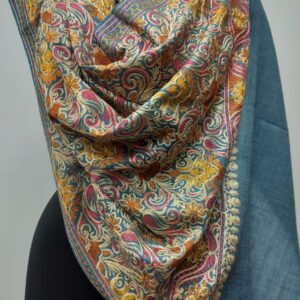
TEAL BLUE TD AARI EMBROIDERED SHAWLS MANUFACTURER
Read more -
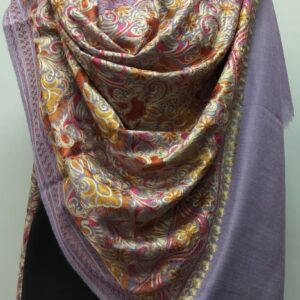
LAVENDER TD AARI EMBROIDERED SHAWLS MANUFACTURER
Read more -
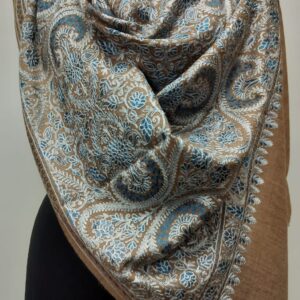
DARK BEIGE TD AARI EMBROIDERED SHAWLS MANUFACTURER
Read more -
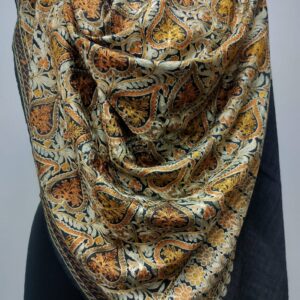
BLACK TD AARI EMBROIDERED SHAWLS MANUFACTURER
Read more -
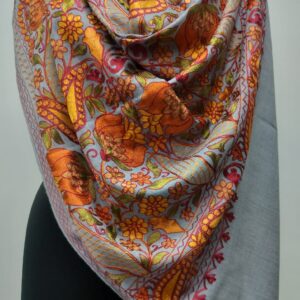
LIGHT GREY MULTICOLOUR TD AARI EMBROIDERED SHAWLS MANUFACTURER
Read more -
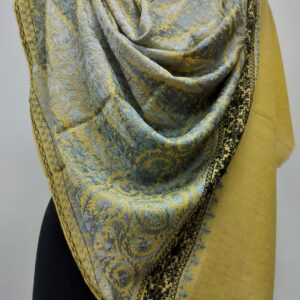
YELLOW TD AARI EMBROIDERED SHAWLS MANUFACTURER
Read more -
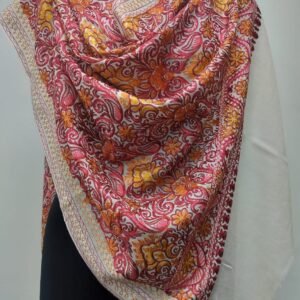
WHITE TD AARI EMROIDERED SHAWLS MANUFACTURER
Read more -
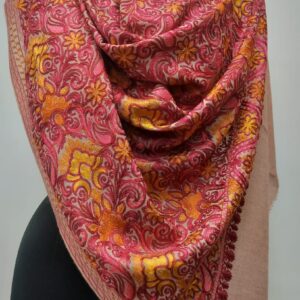
PINK TD AARI EMBROIDERED SHAWLS MANUFACTURER
Read more -
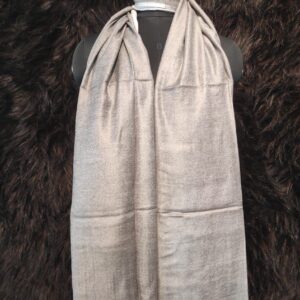
LIGHT GREY REVERSIBLE VISCOSE SCARVES MANUFACTURER
Read more