Bridal buying runs on two things ordinary accessory buying does not: exact colour and immovable dates. A stole that arrives in the right shade a week after the wedding is worth nothing, and a stole that arrives on time in nearly the right ivory is worth less than nothing, because it will be rejected in front of the customer. Anyone sourcing bridal stoles wholesale India needs a supplier who treats lab dips and lead times as commitments rather than estimates. This guide covers the fabrics, the embroidery decisions, and the colour and calendar discipline the category demands.
What bridal stoles wholesale India covers
The category spans several buyer types and each buys differently.
Bridal boutiques and wedding retailers buy stoles as accessories to a dress or outfit, in small quantities across many shades, with exact colour matching to the primary garment.
Wedding favour and bridesmaid gifting buys in larger quantities of a single colourway, coordinated to an event palette rather than to a garment.
Event planners and destination wedding organisers buy welcome and ceremony stoles, often with personalisation, on fixed dates that cannot move.
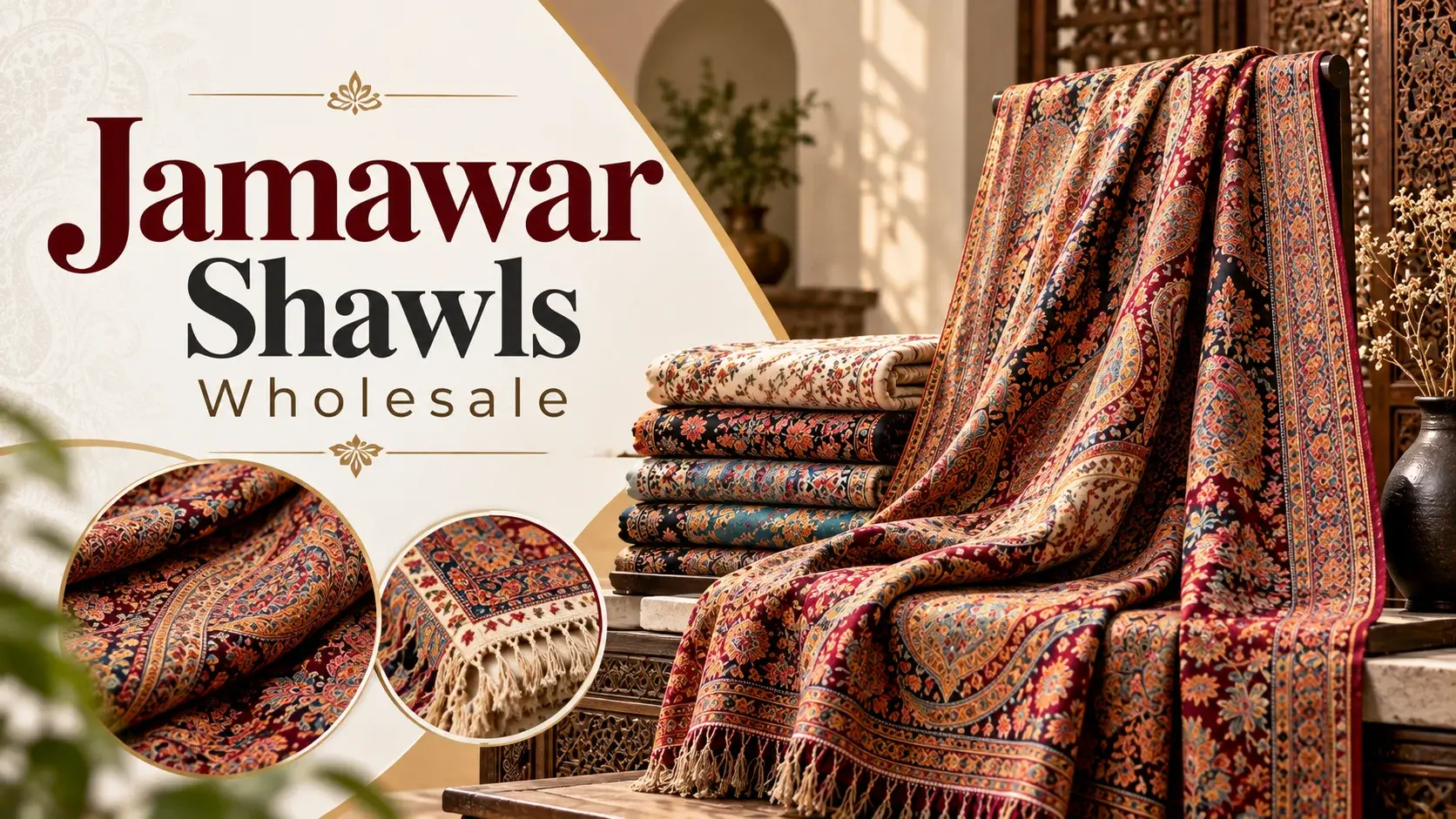
South Asian wedding retail buys heavily embroidered pieces at higher price points, where craft technique carries the purchase.
Corporate and hospitality gifting overlaps at the edges, covered in the guide to bulk stoles for corporate events.
Establish which of these you are before specifying, because a bridesmaid favour and a boutique bridal accessory share almost nothing except the word bridal.
Colour: the discipline that decides everything
Bridal colour is unforgiving because the reference is usually a physical garment rather than a code.
Ivory, champagne, blush and dusty tones are the shades where small differences read as errors. Two ivories side by side that differ by a fraction look wrong in a way that two navies never would.
Send a physical swatch of the garment you are matching, not a photograph and not a Pantone code selected from a screen. A supplier matching to a physical reference produces a far better result than one matching to a number.
Insist on a lab dip on your actual fabric before bulk dyeing, approve it physically in daylight, and retain the approved dip. On repeat orders it is the reference that settles disputes.
Different fibres take dye differently, so an approved ivory on silk will not reproduce identically on modal. Order a lab dip per fabric rather than assuming one covers the range.
Metallic threads and beadwork shift perceived colour under artificial light. If the piece will be worn at an evening event, check the approved sample under warm lighting rather than only in daylight.
Fabric and embroidery choices
Silk carries the bridal category, with charmeuse and crepe de chine giving sheen and drape at occasion weight. The specifications are covered in the guide to silk stole sourcing.
Pashmina and pashmina silk blends serve winter weddings and South Asian bridal at higher price points, covered in the guide to pashmina stole sourcing.
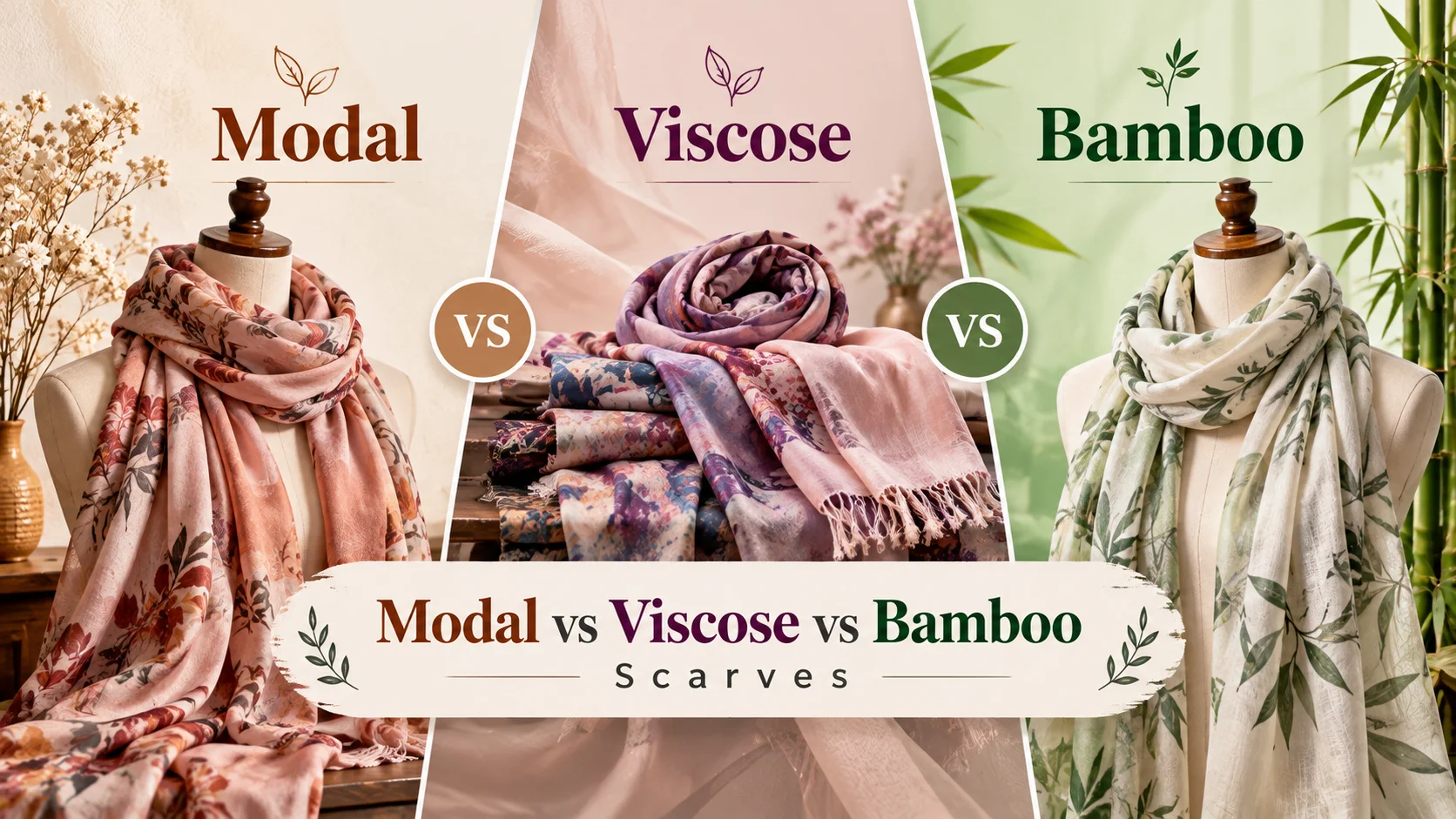
Satin and modal carry favours and volume gifting where the piece is worn once.
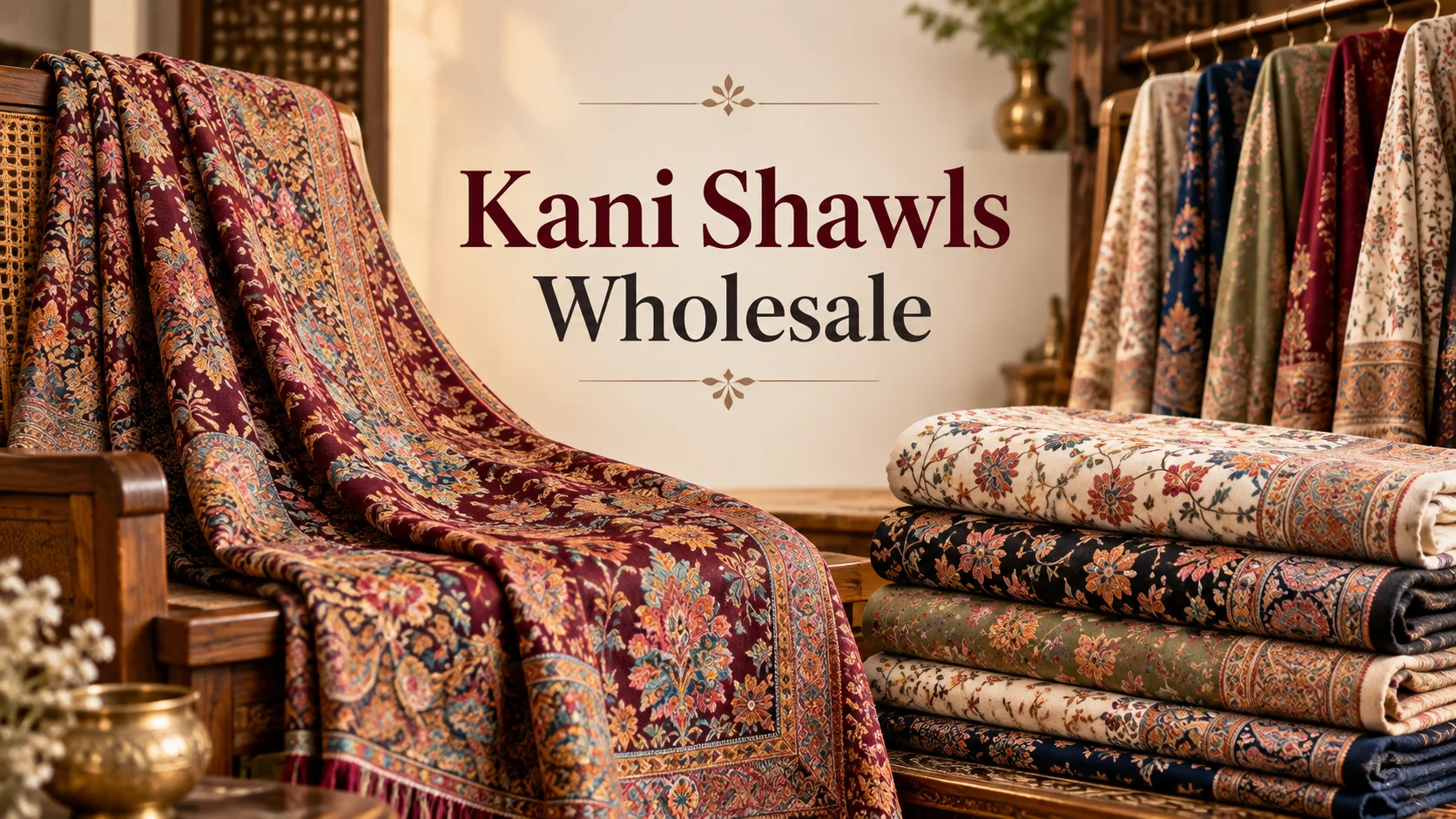
On embroidery, sozni gives the finest and most delicate work, tilla applies metallic thread for formal impact, and aari covers larger areas with bolder chain stitch. Coverage decides cost far more than technique does, and the full picture is in the guide to embroidered stole sourcing.
Beadwork and sequin embellishment add weight and cost, and they complicate care labelling and packing, so confirm both at specification stage.
Lead times and the wedding calendar
Wedding dates do not move, which makes lead time arithmetic the most important part of a bridal stoles wholesale India order.
Stock styles with your label take 10 to 15 working days. Custom printed work takes 20 to 25 working days. Hand embroidered work takes 30 to 40 working days. Heavy sozni or custom woven work takes 45 to 60 working days or longer.
Add the sampling sequence before that: lab dip approval, a stitch out for embroidery, and a pre production sample. Two to four weeks if you respond promptly.
Add freight of 3 to 10 working days by air or 15 to 35 days by sea.
Add contingency of at least three weeks, because a colour rejection at pre production means starting the dye stage again.
For a boutique buying a seasonal bridal range, this means placing orders four to five months ahead. For a planner buying to a specific date, it means an embroidered piece needs commissioning at least four months out and anything less than eight weeks limits you to stock.
Peak wedding seasons compress supplier capacity, so an order placed in peak season takes longer than the same order placed off peak.
Personalisation and presentation
Personalisation sells strongly in this category and costs less than buyers expect.
Monogram or initial embroidery on bridesmaid pieces adds a per piece cost driven by stitch count, with digitisation charged once.
Date or name embroidery on ceremony pieces reads as bespoke at moderate cost.
Printed care cards and hangtags carrying the couple’s names or the event date cost very little and lift perceived value considerably.
Packaging carries disproportionate weight here. Rigid gift boxes with tissue suit boutique and bridesmaid tiers. Individual poly bags suit favours at volume. Confirm packing configuration matches how the pieces will be distributed at the event.
Buyers running ongoing branded bridal ranges rather than one off event orders should read the guide to custom stole development. The wedding shawl range and the embroidered range show available formats.
Sizing and product terminology
Bridal buyers regularly order a stole and expect shawl coverage, particularly for winter weddings where the piece needs to keep a bride warm rather than decorate an outfit.
Stole width runs 55 to 70 centimetres. Shawl width runs 70 to 100. For an outdoor winter ceremony, specify the wider format. The distinctions are set out in the guide to the difference between a shawl, stole and scarf.
Dupatta lengths run considerably longer at 220 to 250 centimetres and serve South Asian bridal outfits specifically. Do not substitute a stole for a dupatta in a listing.
Specify dimensions in centimetres on the purchase order including fringe treatment, since a heavy fringe changes how a piece drapes over a gown.
Savita Shawls for bridal stoles wholesale India
Savita Fashions LLP, trading as Savita Shawls, has manufactured stoles, shawls and scarves from Gurgaon, Haryana since 1984 and supplies bridal retailers, event planners and gifting buyers in more than 20 countries. GST registration is 06AFPFS3876N1Z0 and IEC is AFPFS3876N, verifiable on the GST portal and the DGFT portal. The company is registered with FIEO and AEPC.
Terms are 100 pieces per stock design and 200 pieces per custom or OEM design, with gifting orders accepted from 50 pieces with branding or personalisation. Samples dispatch within 5 to 7 business days with the cost credited against the bulk order. Production runs 10 to 15 working days for stock styles, 20 to 25 for printed work, 30 to 40 for hand embroidery and 45 to 60 for custom woven designs.
Pantone matched dyeing with lab dip approval before bulk supports the colour matching this category demands, and physical swatch matching is accepted in place of Pantone references, which suits matching to a garment. Embroidery covers sozni, aari and tilla work with a stitch out sample approved before bulk. Packaging includes rigid gift boxes, branded tissue, personalised message cards and individual poly bags. Buyers new to bulk sourcing should read the guide to wholesale stole supply.
Frequently asked questions
How far ahead should I order bridal stoles wholesale India?
Four to five months for a seasonal bridal range, and at least four months for embroidered pieces tied to a specific date. Production runs 10 to 60 working days depending on embellishment, plus two to four weeks for sampling and lab dip approval, plus freight, plus contingency of three weeks for a possible colour rejection.
How do I match a stole colour to a bridal gown?
Send a physical fabric swatch of the garment rather than a photograph or a screen selected Pantone code. Request a lab dip produced on your actual stole fabric, approve it physically in daylight, and retain the approved dip for repeat orders. Order a separate lab dip per fabric, since silk and modal take the same dye differently.
What is the minimum order for bridal stoles?
Most Indian suppliers set minimums at 100 pieces per design for stock styles and 200 pieces for custom work. Savita Shawls works to these figures, with gifting and personalised orders accepted from 50 pieces. Custom colours can carry higher minimums since each shade requires its own dye bath to be economical.
Which fabrics work best for bridal stoles?
Silk charmeuse and crepe de chine carry the boutique bridal tier with sheen and drape at occasion weight. Pashmina and pashmina silk blends suit winter weddings and South Asian bridal at higher prices. Satin and modal serve favours and volume gifting where the piece is worn once. Match fabric to the wearing occasion.
Can bridal stoles be personalised with names or dates?
Yes. Monogram, initial, name and date embroidery are all standard, with digitisation charged once and a per piece cost driven by stitch count. Printed care cards and hangtags carrying names or event dates cost very little and lift perceived value considerably. Approve a physical stitch out sample before bulk production.
Should I order stole width or shawl width for a wedding?
Stole width of 55 to 70 centimetres suits indoor ceremonies and decorative use. Shawl width of 70 to 100 centimetres suits outdoor and winter weddings where the piece needs to keep the wearer warm. Specify dimensions in centimetres including fringe treatment, since heavy fringe changes how a piece drapes over a gown.
How long does hand embroidered bridal work take?
Hand embroidered work takes 30 to 40 working days for standard sozni, aari or tilla coverage, and 45 to 60 working days or longer for heavy all over work. Hand technique does not compress under deadline pressure. Any supplier agreeing to heavy handwork in two weeks is planning to substitute machine embroidery.
Does peak wedding season affect lead times?
Yes. Supplier capacity compresses during peak wedding seasons, so an identical order placed in peak takes longer than one placed off peak. Build this into your calendar by ordering earlier for peak delivery, and confirm lead times in writing at order stage rather than relying on the timeline quoted during a quieter month.
Ready to order
Send your requirement with fabric, dimensions, colour reference or physical swatch, embroidery direction and quantity, along with the date the goods are needed, and Savita Shawls will confirm what is achievable with pricing and a sampling schedule. Samples ship within 5 to 7 business days with the cost credited against your order. Start with a bridal stole enquiry, email sales@savitashawls.com or call +91 7696677766.