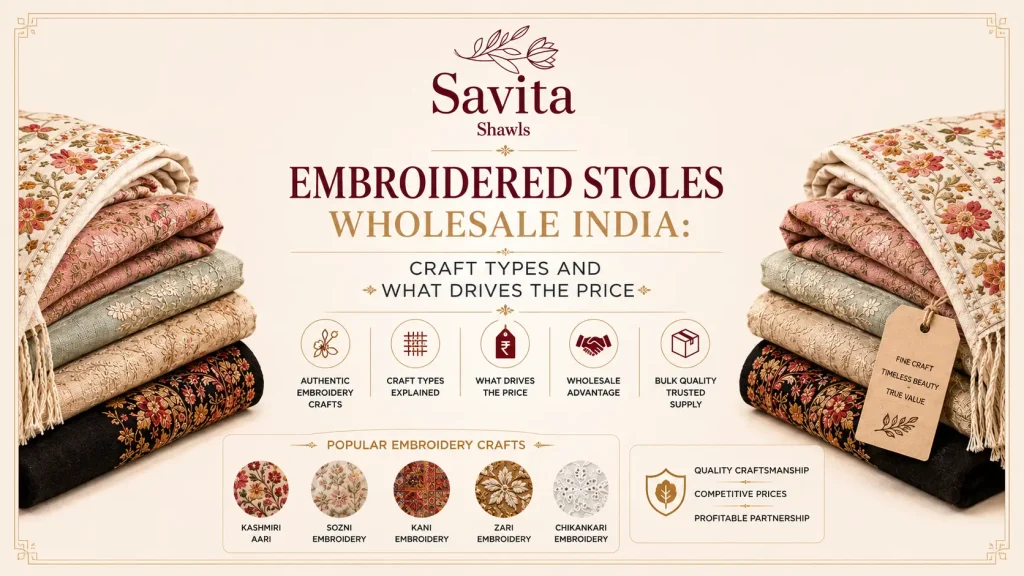
Embroidery is priced by hours, not by metres, and that single fact explains almost every surprise a buyer gets in this category. Two stoles in identical fabric at identical size can differ fourfold in price because one carries a border motif and the other carries all over coverage. Buyers approaching embroidered stoles wholesale India sourcing for the first time usually underestimate both the cost and the lead time, then compress the schedule and receive machine work described as handwork. This guide covers the techniques, what drives the price, and how to tell hand from machine on arrival.
Techniques in embroidered stoles wholesale India production
Four hand techniques dominate, and they produce visibly different results at different price points.
Sozni is fine needle embroidery worked from the reverse of the fabric with a very fine thread, producing delicate floral and paisley patterns. It is the most labour intensive and the most valued, and on a fully covered pashmina it can take an artisan weeks or months.
Aari uses a hooked needle to create chain stitch from the front of the fabric. It covers ground faster than sozni, produces bolder and more graphic patterns, and reads clearly from a distance, which matters for retail display.
Tilla applies metallic thread, traditionally gold or silver, in raised patterns. It suits bridal and occasion retail and carries strong visual impact at moderate coverage.
Papier mache embroidery is a dense, brightly coloured style covering larger areas with fine stitching. It sits between sozni and aari in labour intensity.
Machine embroidery is a separate product at a fraction of the cost. It is legitimate at its own price point and problematic only when described as handwork. Any embroidered stoles wholesale India supplier should state clearly which one you are buying.
What drives price in embroidered stoles wholesale India
Coverage first. A corner motif, a border on two sides, a border on four sides and all over coverage represent roughly four price tiers of the same technique on the same base cloth. Decide coverage before you ask for a quote, because a quote without it means nothing.
Stitch density second. Two pieces with identical coverage can differ substantially in hours if one is worked at finer density. Density is what separates a piece that looks good in a photograph from one that holds up in the hand.
Thread type third. Metallic tilla thread costs more than silk thread, which costs more than cotton.
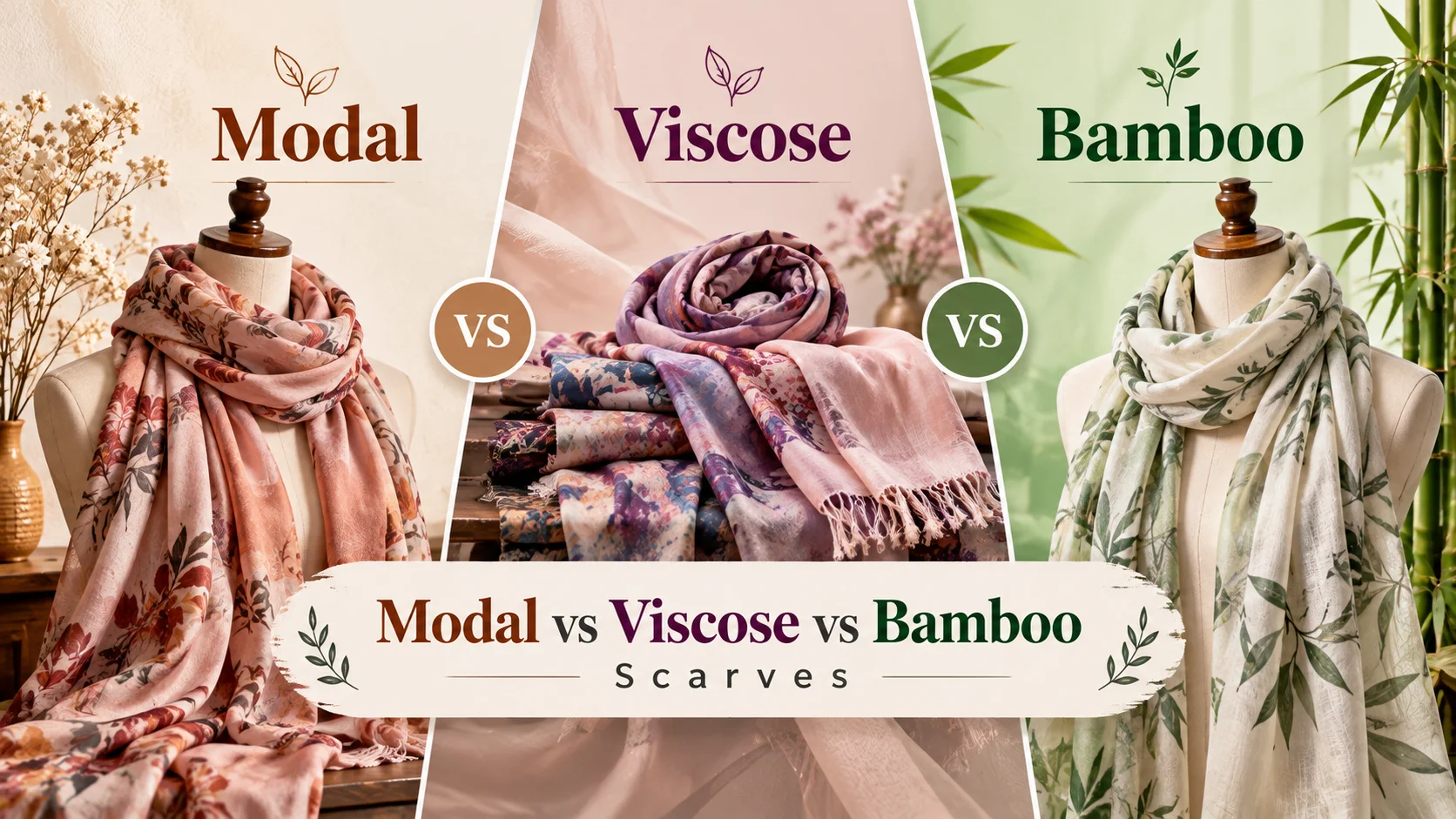
Base fabric underneath all of it. Embroidery on pashmina costs more than the same embroidery on viscose, both because the cloth costs more and because working fine fibre demands more skill.
Colour count adds cost in hand embroidery as it does in printing, since each thread change costs time.
Telling hand embroidery from machine work
Turn the piece over. Hand embroidery shows slight irregularity on the reverse, with thread paths that vary and knots where work started and stopped. Machine embroidery shows a uniform bobbin thread pattern and a consistent, mechanical reverse.
Look for variation across repeated motifs. Hand worked motifs differ slightly from one another. Machine worked motifs are identical, because they come from the same file.
Check the density of stitching against the price. Genuinely dense hand embroidery at a low price is not possible, since the labour hours alone exceed the quote.
Ask to see work in progress. A supplier working with a genuine artisan network can send a photograph or video of a piece part completed. A supplier buying machine embroidered stock cannot.
Any embroidered stoles wholesale India supplier who takes offence at these questions is telling you something useful.
MOQ, sampling and lead times
Minimum order quantity in embroidered stoles wholesale India sourcing generally runs higher than plain goods, at 150 to 200 pieces per design, because artisan scheduling requires a viable batch and setting up a design for a small run is uneconomic.
Sample the exact coverage and density you intend to buy. A border sample tells you very little about how an all over piece will look, and approving a light sample then ordering heavy coverage produces a price surprise rather than a quality one.
Lead times run 30 to 40 working days for standard hand embroidered work. Heavily covered sozni work runs considerably longer and cannot be compressed. Build embroidery into a seasonal calendar at least three months ahead of your retail date, and treat any supplier promising heavy handwork in two weeks as offering machine work.
The full sampling sequence is set out in the guide to requesting samples from a manufacturer.
Which retail markets buy embroidered stoles
Bridal and occasion retail is the largest single segment. Coverage is heavy, price points are high, and colour matching to a wedding palette matters more than trend alignment. The specifics are covered in the guide to bridal stole ranges.
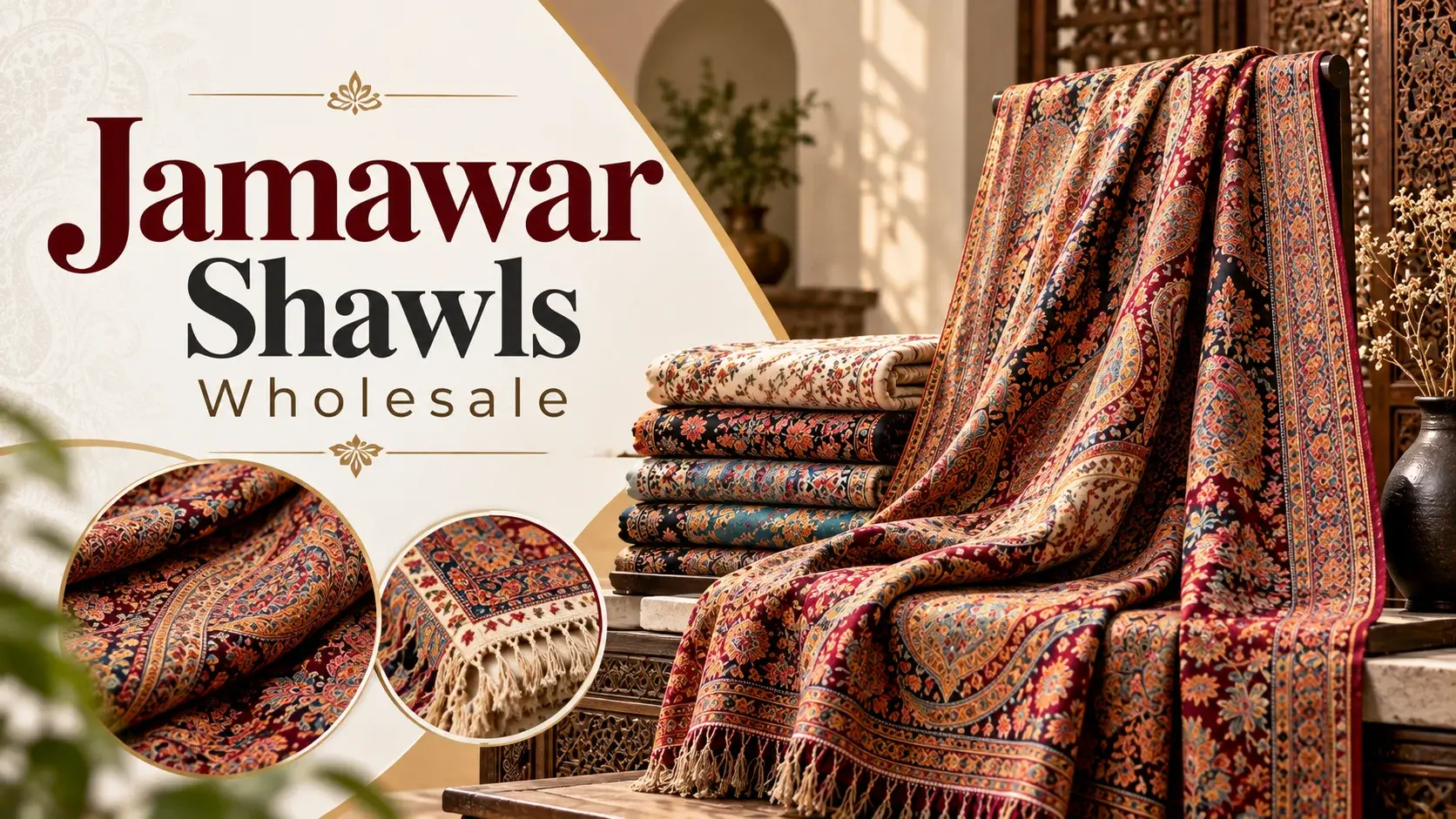
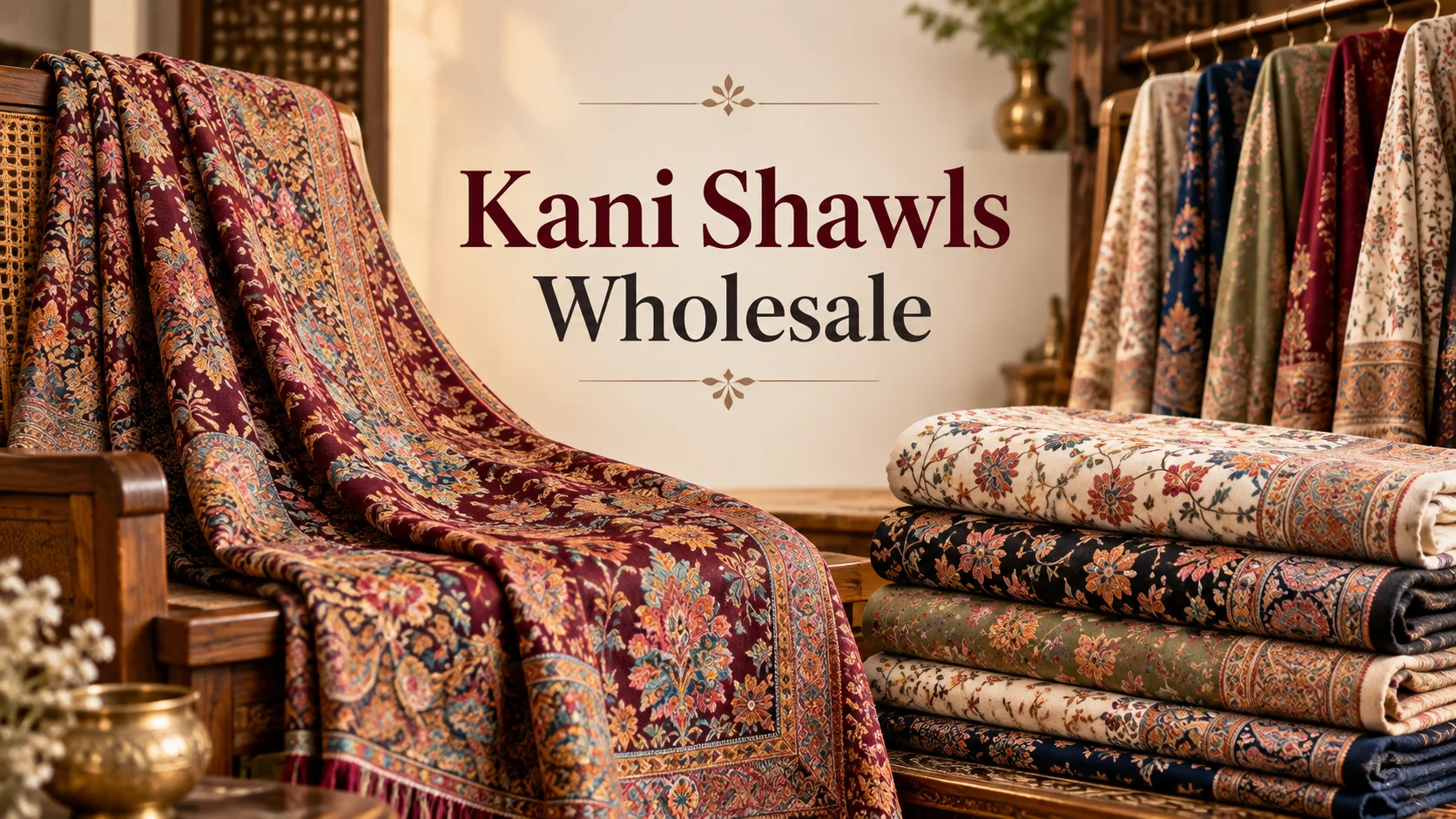
Heritage and craft positioned boutiques buy sozni and kani work as wearable art, at low volume and very high margin, supported by provenance storytelling.
Corporate and executive gifting buys logo embroidery rather than traditional motifs, usually at moderate coverage on a plain ground, where consistency across the batch matters more than artistry.
Hand stitch craft retail overlaps with a related category. Kantha stitched stoles use running stitch on a cotton or silk base and sell into similar boutique channels at accessible price points.
Buyers building branded programmes should read the guide to custom stole development, which covers artwork, labelling and packaging together. The wider embroidered shawl and stole range shows the formats available.
Quality checks on embroidered stole delivery
Check stitch density against the approved sample rather than against the photograph in the catalogue.
Check pattern alignment and placement consistency between pieces from different cartons. Hand work varies slightly by nature, but placement should not drift.
Check the reverse of each piece for loose threads, exposed knots and pulled ground fabric. Tension problems show on the back before they show on the front.
Check thread colourfastness separately from the base fabric, particularly on metallic tilla work, by rubbing a damp white cloth across the embroidered area.
Check that the ground fabric has not been distorted by dense stitching, which shows as puckering when the piece is laid flat.
Confirm fibre content labelling covers both the base cloth and the embroidery thread where they differ, since destination market rules require the composition of the whole product.
Savita Shawls in embroidered stoles wholesale India
Savita Fashions LLP, trading as Savita Shawls, has manufactured stoles, shawls and scarves from Gurgaon, Haryana since 1984 and supplies buyers in more than 20 countries. GST registration is 06AFPFS3876N1Z0 and IEC is AFPFS3876N, verifiable on the GST portal and the DGFT portal. The company is registered with FIEO and AEPC.
For embroidered stoles wholesale India orders terms are 100 pieces per stock design and 200 pieces per custom or OEM design, with corporate gifting from 50 pieces with branding applied. Samples dispatch within 5 to 7 business days with the cost credited against the bulk order. Production runs 30 to 40 working days for custom embroidered work and 45 to 60 working days for custom woven designs including kani.
Embroidery is available on pashmina, cashmere, fine wool, silk, modal, cotton and viscose base fabrics, which lets a single programme span price tiers from boutique luxury to accessible retail. Logo embroidery for corporate gifting is produced with a physical stitch out sample for approval before bulk. Private label covers woven inner labels, care labels in your destination language, hangtags and branded packaging, with design confidentiality standard and an NDA available on request. Buyers new to sourcing should start with the guide to choosing a stole manufacturer.
Frequently asked questions
What embroidery techniques are used in embroidered stoles wholesale India production?
Four hand techniques dominate. Sozni is fine needle work from the reverse, producing delicate reversible patterns at the highest cost. Aari uses a hooked needle for bolder chain stitch. Tilla applies metallic thread for formal and bridal pieces. Papier mache produces dense multicoloured coverage. Machine embroidery is a separate product at a much lower price point.
How can I tell hand embroidery from machine work?
Turn the piece over. Hand work shows irregular thread paths and knots where work started and stopped, while machine work shows a uniform mechanical reverse. Compare repeated motifs, since hand worked motifs vary slightly and machine motifs are identical. Ask for a photograph or video of a piece part completed, which only a genuine artisan network can supply.
What is the minimum order for embroidered stoles?
Minimums run higher than plain goods, typically 150 to 200 pieces per design, because artisan scheduling requires a viable batch. Savita Shawls works to 100 pieces per stock design and 200 pieces for custom or OEM embroidered work, with corporate gifting programmes including logo embroidery accepted from 50 pieces with branding.
How long does hand embroidered stole production take?
Standard hand embroidered work takes 30 to 40 working days. Heavily covered sozni work takes considerably longer and cannot be compressed, since the cost is artisan hours rather than machine time. Plan embroidery into a seasonal calendar at least three months before your retail date, and treat promises of heavy handwork in two weeks as machine work.
What drives the price of an embroidered stole?
Coverage first, meaning corner motif, two sided border, four sided border or all over work. Stitch density second, since two pieces with identical coverage can differ substantially in hours. Thread type third, with metallic costing more than silk and silk more than cotton. Base fabric underneath, since embroidering pashmina costs more than embroidering viscose.
Can I get my logo embroidered on stoles for corporate gifting?
Yes. Logo embroidery is produced from artwork supplied in AI, PDF or high resolution format, digitised for embroidery, with a physical stitch out sample produced on the actual fabric for approval before bulk production. Thread options include metallic gold and silver, silk and colour matched cotton. Placement can be corner, border or centre panel.
What should I check on an embroidered stole delivery?
Compare stitch density against the approved sample. Check placement consistency between pieces from different cartons. Inspect the reverse for loose threads, exposed knots and pulled ground fabric, since tension problems appear there first. Test thread colourfastness separately from the base cloth, particularly on metallic work. Check for puckering when the piece lies flat.
Which fabrics work best for embroidered stoles?
Pashmina and fine wool carry sozni and aari work in the luxury tier. Silk suits tilla and bridal embroidery where sheen matters. Cotton and viscose carry machine embroidery and lighter hand work at accessible price points. Base fabric affects both cost and the skill required, since working fine fibre demands more from the artisan.
Ready to order
Send your requirement with technique, coverage level, base fabric, dimensions and quantity per design, and Savita Shawls will return pricing, confirmed lead times and sample availability. Samples ship within 5 to 7 business days with the cost credited against your bulk order. Given the lead times in embroidered stoles wholesale India production, contacting a supplier early matters more than negotiating hard late. Start with an embroidered stole quote request, email sales@savitashawls.com or call +91 7696677766.