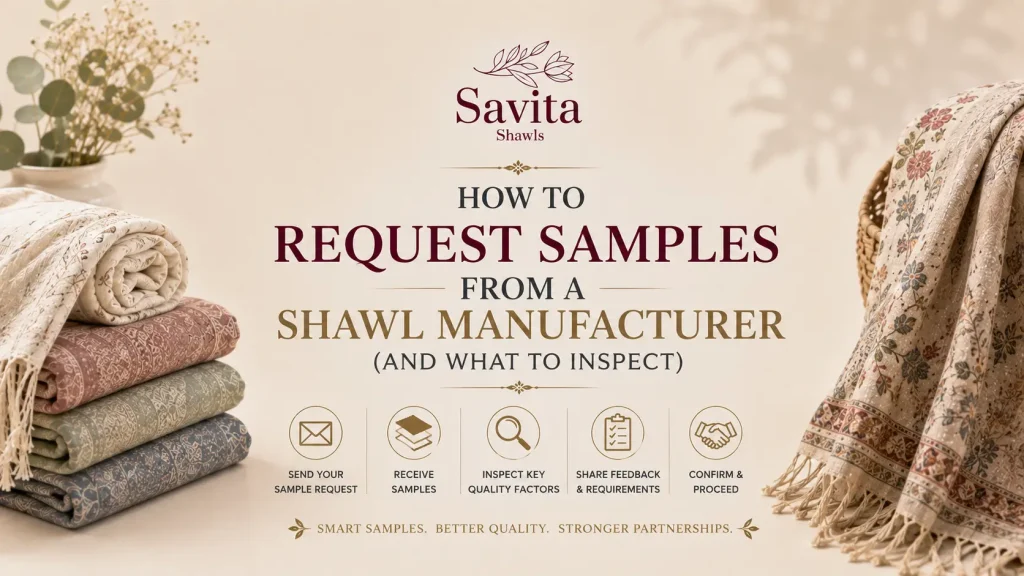
The cheapest money in sourcing is sample money. A hundred dollars spent on samples routinely prevents a five thousand dollar mistake, and yet buyers regularly skip the stage or ask for free samples and receive whatever was nearest the door. Knowing how to request samples from a shawl manufacturer properly, and what to inspect when they arrive, is the single most useful skill in this trade. This guide covers the sample types, what to specify, what to pay, and the tests worth running before a purchase order goes anywhere.
Why paid samples beat free ones
A free sample costs the manufacturer money, so it is drawn from existing stock rather than made to your specification. It tells you the supplier has stock. It tells you nothing about what they will produce for you.
A paid sample is made or selected against your brief, and the charge is normally credited against your bulk order, which means it costs nothing if you proceed.
Suppliers who charge for samples are also filtering. Serious buyers pay a modest sample charge without complaint, and a supplier who has been burned by tyre kickers uses the charge to sort one from the other. Objecting to it marks you as the wrong kind of enquiry.
Expect to pay a higher per piece rate than bulk, plus courier cost. This is normal and not a negotiation point worth spending goodwill on.
Sample types and when each applies
Knowing how to request samples from a shawl manufacturer means asking for the right type at the right stage.
Catalogue or stock samples come from existing production and show fabric quality, finish and general capability. Use these to evaluate a new supplier before committing to development.
A lab dip is a small dyed swatch produced to your Pantone reference on your actual fabric. It confirms colour before bulk dyeing.
A strike off shows your artwork printed on your fabric using your intended print method. For woven designs the equivalent is a woven strike off from the actual loom.
A stitch out shows your logo or motif embroidered on the actual base cloth at the intended density.
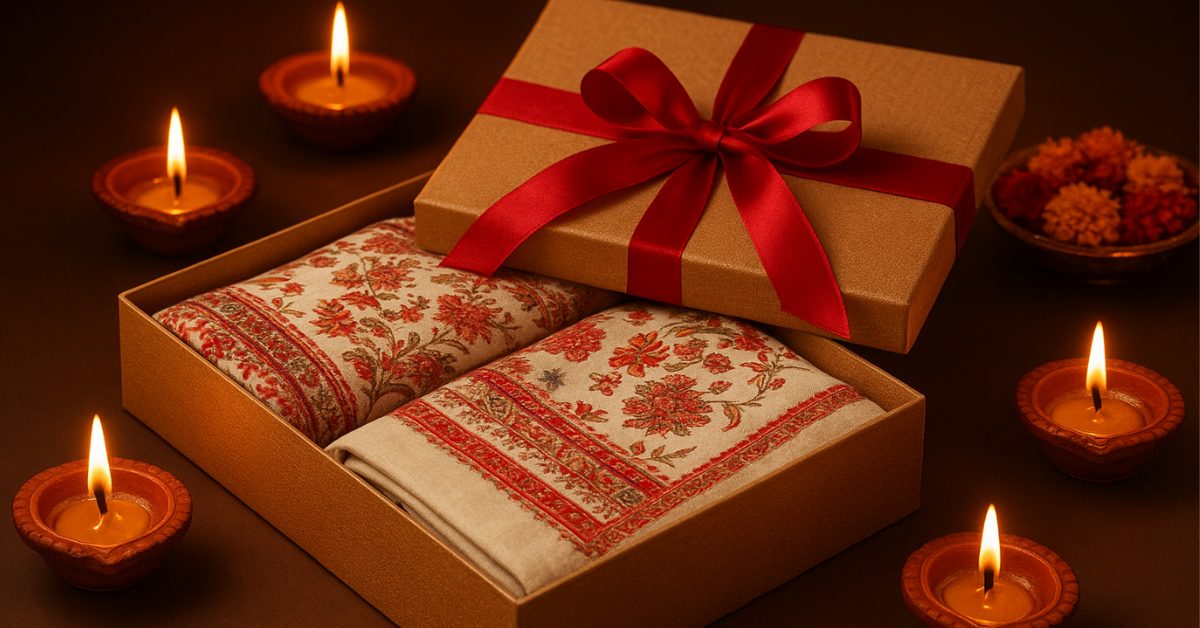
A pre production sample is the complete finished piece including labels, hangtags, fringe and packing. This is the reference your bulk run is checked against.
A shipment sample is drawn from the actual production run before dispatch, confirming that bulk matches the approved reference. <table> <thead> <tr><th>Sample Type</th><th>Confirms</th><th>Typical Timeline</th><th>Cost Position</th></tr> </thead> <tbody> <tr><td>Catalogue sample</td><td>Fabric and finish quality</td><td>5 to 7 business days</td><td>Low</td></tr> <tr><td>Lab dip</td><td>Colour on your fabric</td><td>5 to 10 days</td><td>Low</td></tr> <tr><td>Print strike off</td><td>Artwork reproduction</td><td>7 to 14 days</td><td>Medium</td></tr> <tr><td>Woven strike off</td><td>Weave structure and pattern</td><td>2 to 4 weeks</td><td>High</td></tr> <tr><td>Embroidery stitch out</td><td>Logo or motif quality</td><td>7 to 14 days</td><td>Medium</td></tr> <tr><td>Pre production sample</td><td>Complete finished product</td><td>2 to 3 weeks</td><td>Medium to high</td></tr> <tr><td>Shipment sample</td><td>Bulk matches reference</td><td>From production</td><td>Low</td></tr> </tbody> </table>
What to specify in a sample request
A vague request produces a vague sample. Include all of the following.
Fibre composition with percentages rather than a fabric name.
Dimensions in centimetres, stating whether fringe is included and its length.
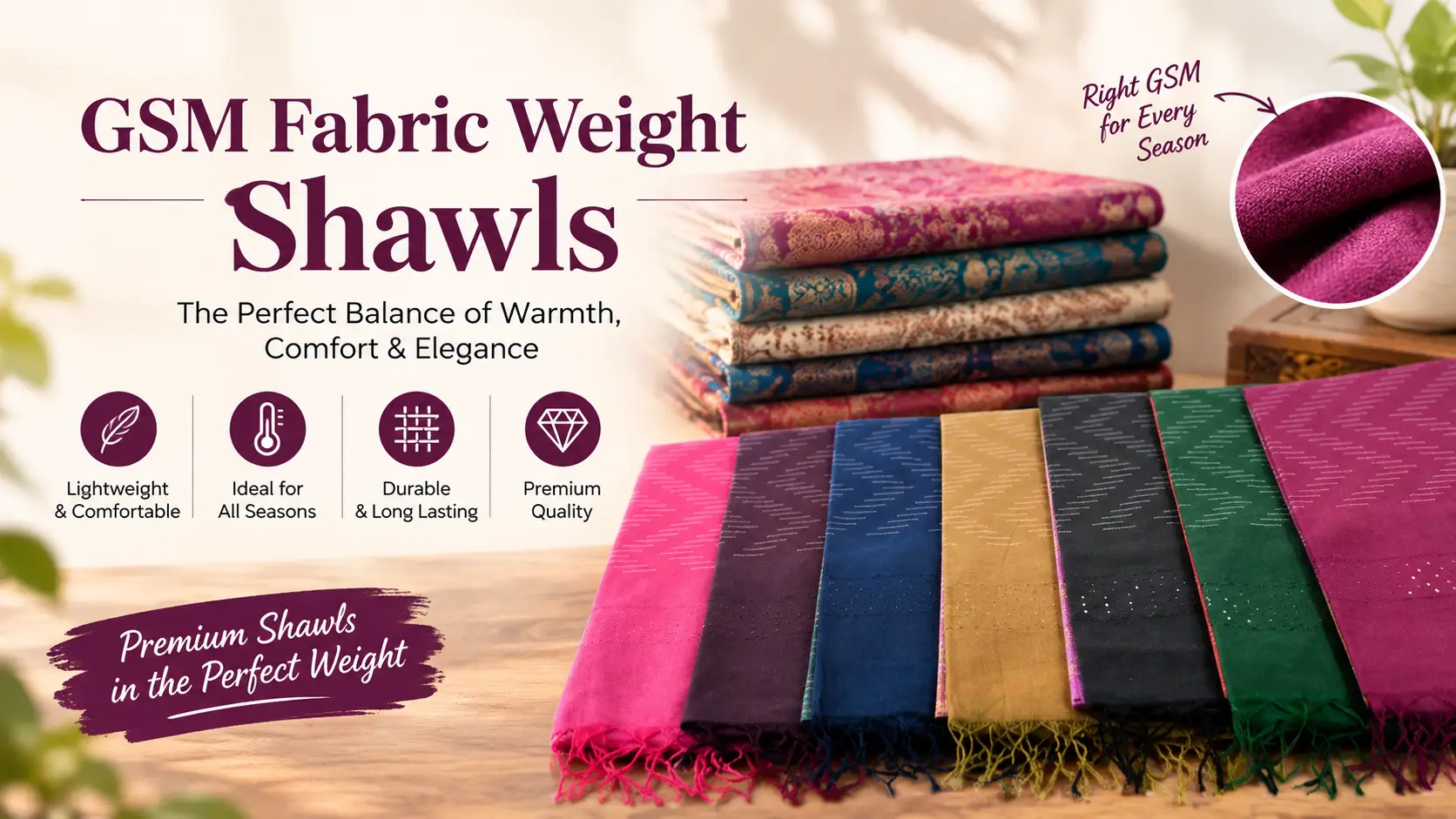
GSM, or momme for silk, since this drives hand feel and cost more than any other number.
Colour as Pantone references, or a physical swatch if you are matching to an existing garment.
Finish specification covering fringe type or hem and any softening treatment.
Quantity you intend to order, because a supplier quotes and samples differently for 200 pieces than for 5,000.
Your intended market, since destination affects labelling and sometimes specification.
Suppliers receiving this can produce a meaningful sample first time. Suppliers receiving a photograph and a colour name produce an interpretation.
What to inspect when samples arrive
Run these checks in order, and document anything wrong immediately.
Verify fibre by burn test on a thread from the fringe. Animal fibres smell of burnt hair and leave brittle ash. Synthetics melt into a hard bead. This will not distinguish wool from cashmere, so request a laboratory report where fibre grade carries the price, as covered in the guide to cashmere stole sourcing.
Weigh the piece and divide by area to check GSM against specification.
Measure dimensions including and excluding fringe.
Check colour in daylight, never under showroom lighting alone, and against a physical reference rather than a screen.
Test colourfastness by rubbing a damp white cloth firmly across the fabric.
Wash one sample and keep one unwashed. Compare for shrinkage, colour loss, surface change and shape retention. This single test catches more future complaints than every other check combined.
Rub the surface firmly for thirty seconds to check pilling resistance.
Check hem, selvedge and fringe quality, since rushed finishing shows there first.
Timelines and how to plan around them
Catalogue samples dispatch in 5 to 7 business days from most established Indian manufacturers, plus courier time of 3 to 7 days internationally.
Custom developed samples take two to three weeks, and woven strike offs take longer because the loom must be set before anything can be produced. The detail is in the guide to jacquard stole production.
Build the full sampling sequence into your calendar as four to six weeks before production begins on a custom programme. Buyers who treat sampling as a formality discover the timeline at the point where it is too late to absorb.
Respond promptly to approvals. Much of the delay in sampling sits on the buyer’s side, waiting for someone to look at a lab dip.
Sampling as a supplier test
The sample stage tells you as much about the supplier as about the product.
Time how long a reply to a straightforward question takes. Response speed on a small enquiry predicts response speed when a shipment is stuck at a port.
Check whether what arrived matches what you asked for. A supplier who substitutes silently at sample stage will substitute silently at bulk.
Ask a technical question, such as the micron count or the yarn count, and see whether the answer is specific or evasive. The distinction between manufacturers and traders is covered in the guide to choosing a stole manufacturer.
Note whether the supplier volunteers a problem. A manufacturer who tells you your requested GSM will not drape the way you expect is worth more than one who agrees to everything.
Retaining references and using them
Keep every approved sample, labelled with the date, the order reference and what it was approved for.
Ensure the manufacturer retains a matched counterpart. When a bulk delivery is disputed, two matched physical references settle it in an afternoon. Two recollections do not.
On repeat orders, quote the retained reference rather than re specifying from scratch. This is how consistency is maintained across seasons.
For colour programmes that repeat, the approved lab dip is the standard, not the original Pantone reference, since the dip records how that specific fibre took that specific dye. The relevance to colour critical categories is covered in the guide to bridal stole sourcing.
How Savita Shawls handles sampling
Savita Fashions LLP, trading as Savita Shawls, has manufactured stoles, shawls and scarves from Gurgaon, Haryana since 1984 and supplies buyers in more than 20 countries. GST registration is 06AFPFS3876N1Z0 and IEC is AFPFS3876N, verifiable on the GST portal and the DGFT portal. The company is registered with FIEO and AEPC.
Samples dispatch within 5 to 7 business days and the sample cost is credited against the bulk order. Lab dips are produced on your actual fabric for written approval before bulk dyeing, with Pantone matching standard and physical swatch matching accepted where you are matching to an existing garment. Print strike offs, woven strike offs and embroidery stitch outs are produced on the intended base fabric before bulk production begins.
Minimum order quantity is 100 pieces per stock design and 200 pieces per custom or OEM design, with corporate gifting from 50 pieces with branding. Production runs 10 to 15 working days for stock styles with your label, 20 to 25 for custom printed work, 30 to 40 for custom embroidery and 45 to 60 for custom woven designs, each measured from approval of the relevant sample. Fibre composition documentation is available on request. Buyers new to bulk sourcing should read the guide to wholesale stole supply.
Frequently asked questions
Should I pay for samples from a shawl manufacturer?
Yes. A free sample is drawn from existing stock and tells you nothing about what will be produced to your specification. A paid sample is made against your brief, and the charge is normally credited against your bulk order, so it costs nothing if you proceed. Suppliers also use the charge to filter serious enquiries.
How long do samples take from India?
Catalogue samples dispatch within 5 to 7 business days from most established manufacturers, plus 3 to 7 days courier time internationally. Custom developed samples take two to three weeks. Woven strike offs take longer because the loom must be set first. Allow four to six weeks for a full custom sampling sequence.
What should I specify when requesting a sample?
Fibre composition with percentages, dimensions in centimetres stating whether fringe is included, GSM or momme, Pantone colour references or a physical swatch, finish specification covering fringe or hem, the quantity you intend to order, and your destination market. Vague requests produce interpretations rather than meaningful samples.
What is a lab dip?
A lab dip is a small swatch of your actual fabric dyed to your colour reference, produced for written approval before bulk dyeing starts. It matters because different fibres take dye differently, so the same Pantone reference produces visibly different results on silk, wool and cotton. Approve it physically in daylight, never from a screen.
What should I check when a sample arrives?
Burn test a fringe thread to verify fibre type. Weigh and measure to check GSM and dimensions. Check colour in daylight against a physical reference. Test colourfastness with a damp white cloth. Wash one sample and keep one unwashed to compare shrinkage and colour loss. Rub the surface to check pilling resistance.
Why should I wash a sample before ordering?
Because your customer will, and the washed piece is the product they will actually own. Cotton, linen and viscose shrink three to five percent unless pre treated. Colour can bleed. Surface can pill or fuzz. This single test catches more future complaints than every other inspection combined, and it costs one sample.
Should the manufacturer keep a matching sample?
Yes. When a bulk delivery is disputed, two matched physical references settle the question quickly, while two recollections do not. Label your retained sample with the date, order reference and what it was approved for, and confirm in writing that the manufacturer holds a counterpart.
Can sampling tell me whether a supplier is reliable?
Yes, and it is one of the most useful signals available. Time how long replies take, since response speed on a small enquiry predicts response speed when a shipment is delayed. Check whether the sample matches what you asked for. Note whether the supplier volunteers problems rather than agreeing to everything.
Ready to order samples
Send your specification with fibre, dimensions, GSM, colour reference and intended order quantity, and Savita Shawls will confirm sample availability, cost and dispatch timing. Samples ship within 5 to 7 business days and the cost is credited against your bulk order. Start with a sample request, email sales@savitashawls.com or call +91 7696677766.