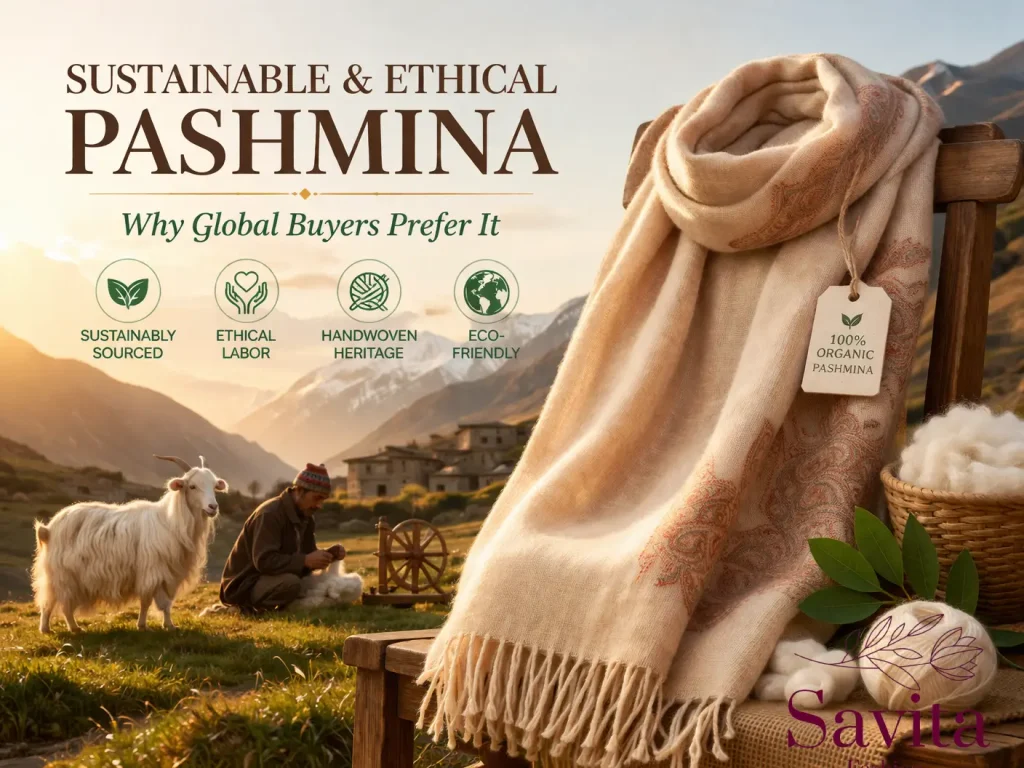
In today’s world of rational consumption, where every brand is promoting sustainability, the sustainable pashmina shawls have successfully converted into the most marketable textile products across the globe even in the elite class of consumers. Sustainable pashmina shawls bridge the gap between traditions of the Himalayas and modern day practices of ethical sourcing, achieving heritage luxury and eco-friendly all in one.
To the worldwide market, including its consumers including the wholesalers, retailers and even the socially responsible fashion lines of clients, to affordable fashion, sustainable pashminas are seen as far more than plain pashmina shawls. They are considered a complete package of statement: the brand and its values, the supply chains the brand supports and the ever-rising demand for the welltold story of the brand.
Pashmina industry pertains to manufacturing and selling of pashmina shawls with a touch of elegance which has seen many evolutions in the recent years. Easily, gone are the days when products with no assurance and some blurred processes found themselves on shelves and easily sold. Instead, we are embracing a new age of traceability, ethical practices and, properly, authentic green production of commodities. In the center of such evolution are sustainable pashmina shawls, which fetch high prices, enjoy good loyalty among buyers and even attract high-end malls in North America, Europe, the Middle East, Japan and Australia.
The following detailed article is inclusive of the most important sales data concerning high value pashmina shawls produced locally for business customers which would include their description, methods of making these shawls, their certificates and sources as well as reasons why any modern fashion business or brand should consider investing in these products over other options available in the market.
What Makes Sustainable Pashmina Shawls Different from Regular Shawls
Not all pashmina shawls are of the same category. Pashmina in the past, and even today, incurred such a high degree of malpractice, false branding, chemical components, and labor exploitation that it became more complex than it should be. sustainable pashmina shawls are completely different than those from the general production techniques of classic shawls.
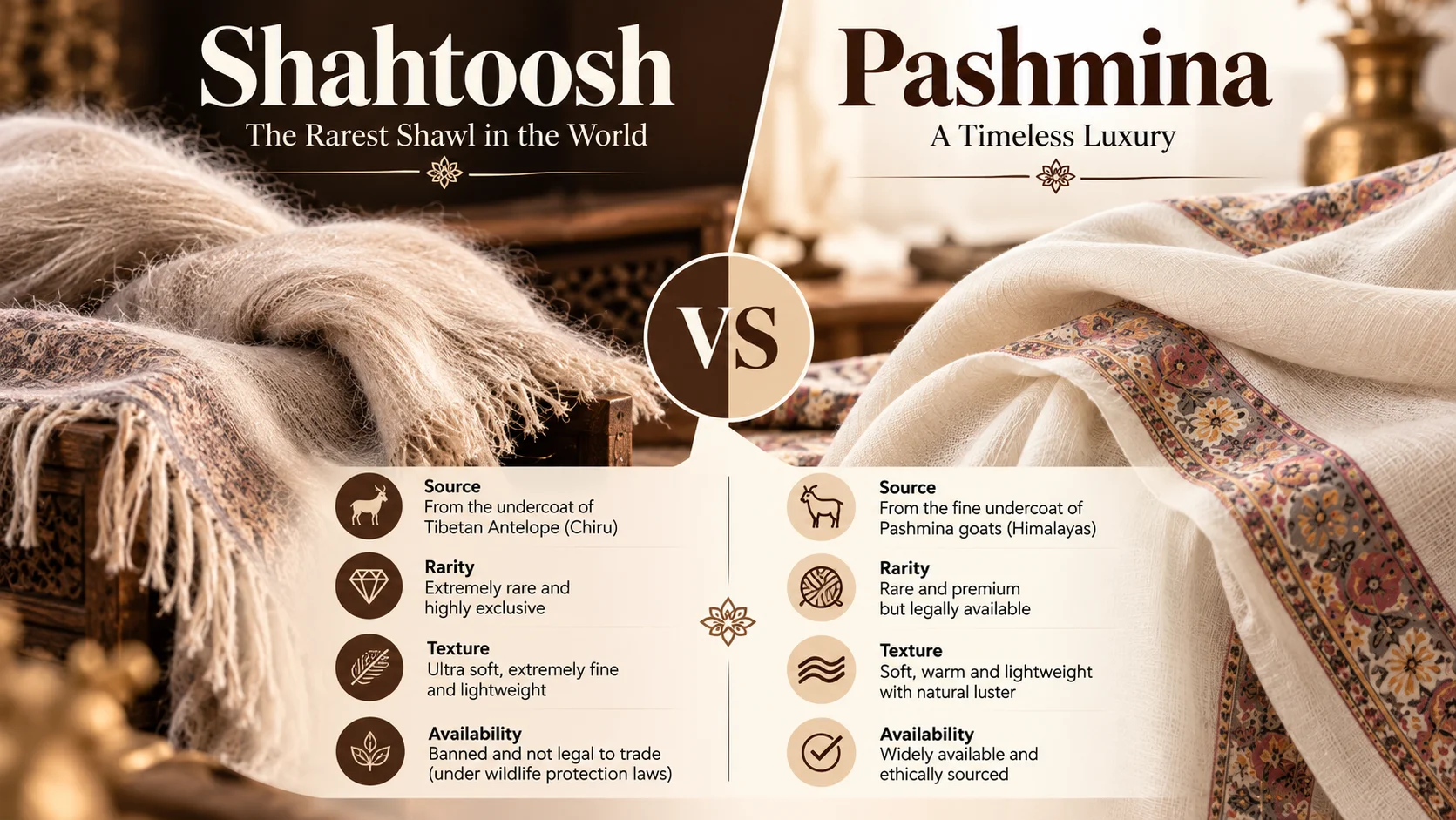
Subsequent to this was the emergence of fibre based economy but this was purely for profit. Pashmina shawls, such as those produced using sustainable practices, are derived from the fleece obtained from Changra or Channg, a type of goat characteristic of the high mountains of Ladakh, Nepal and Tibet. This fine wool, also called Pashmina wool is not wool shorn from the goat but is combed from the goat when it naturally sheds its hairs. The shedding is environmental friendly as it is not mechanically or physically done to the animal. Traditional pashmina shawls in contrast mix Pashm with artificial fibers or cheap wool like Viscose which defeats the purpose of quality and sustainability.
Process of Manufacturing: Sustainable Pashmina shawls are made by using the given handicrafts: weaving on the looms, spinning another name for a spinning machine is a wheel which is called Charkhas, sewing and other kinds of Kashmiri arts. This differs from clothing made by machines used in a widespread manner uses more energy with reproduction and is also quite inefficient and wasteful.
Transparency in the Supply Chain: It is one of the attributes of sustainable pashmina shawls, which are fully visible in the supply chain. Those manufacturers of good collective practices make sure that every stage of the shawl production, from the shepherd raising goats in Changthang to the staff doing embroidery in Kashmir and even up till the shop is reached, is a clear line of traceability. This kind of pashmina especially involves making a chain pashmina and middlemen, where it is tabled in where the material comes from.
Environmental Implications. Producing sustainable pashmina shawls practically eliminates carbon and water costs associated with typical wholescale production of luxury fibers. Moreover, there is not a single shawl produced in mass. Dyeing is done with natural dyes, where possible, and no industrial chemicals are used.
For businesses that sell to other businesses (B2B), these features immediately and directly translate into a way of differentiating products, being able to sell them at higher prices, and finally, being able to claim sustainability in a way that consumers believe in.
The Role of Eco Friendly Shawls in Modern Fashion
Planet Earth’s ecosystems are in danger and the fashion industry is not fake anymore. The industry is more demanding toward SCORE (Sustainable Communities, Optimisation of resources, Responsiveness in business operations, and Environmental awareness) and stakeholders engaging with the industry are no exemption. Refined taste only is not enough for brands today. Green wear leads to high demand for specific ranges like pashmina in the market which is normally perceived as very niche.
Some fashion conglomerates (e.g., Kering, LVMH and PVH Corp), have voluntarily adopted strained beauty sustainability strategies stipulating an increment of natural, renewable and traceable textile materials usage in products and/or among offered goods. The Pashmina shawls which are sustainable help in those three objectives, making them a resource mobilization strategy constraint friendly for those sourcing assignments with these mandates.
Shawls which protect the environment additionally carry put purposes of promotion. In the time when marketers are raising eyebrows at the practice of greenwashing, any brand whose product is authenticated as truly eco-friendly boasting the valid certifications, records to show how it was made and open sourcing, is doubly useful. In the case of sustainable pashmina shawls, such content is highly effective for engagement, journalism and even trust.
In addition, the phenomena known as ‘slow fashion’ is also gradually getting institutionalized in majority of the European markets and consumers. The aforementioned documentation aptly describes a case of traditional slow fashion in the form of sustainable pashmina shawls which are custom-crafted over a needless number of weeks or months to a design which is bound to last generations, and which has a cultural and/or artistic meaning. As the slow fashion culture swells beyond the subcultural realm, making a few garments or such products, such as the sustainable pashmina, will find itself in high-end retailers, heaving such products.
Wholesale purchases of eco-friendly shawls by multi-brand retailers, fashion houses and department outlets shall note some relevant significant growth in high-end clientele that is in support of such goods. Sustainable pashmina shawls encourage relation with a more aware customer who is above the sensitivity of the market prices as they are expensive, and is more willing to re purchase.
Understanding Fair Trade Pashmina and Ethical Sourcing
The sustainable pashmina shawls industry stands tall on the very foundation of fair pashmina. This is a model that ensures no player in the supply chain is exploited, paying decent wages to employees and forcing no one to work in unsafe conditions, donating for the well-being of the communities they operate and establish ethical and transparent supply chains and business partnerships; from raw fiber all the way to the product.
The pashmina production cycle is intermingled with different communities in ladakh and Kashmir. The Changthang highland region is home to nomadic Changpa people who rear these special goats called Changthangi and harvest the Pashm wool by combing the goats for raw fiber. Women in rural Kashmir are mainly the ones who convert the raw fibre into the beautiful delicate yarn which is done using antique charkhas. These weavers will create a shawl at the looms, one by one, over a period of weeks. Embroiderers practicing Sozni or Aari needle work additional months on a single item if needed.
Fair Trade compliance guarantees that all players involved in the production of pashmina are fairly remunerated and earn under safe and decent working environments. The latter is especially true to the Changpa pastoralists and those women who work as spinners, to whom the fair trade wages are higher, and in essence, support any other in this group. Those customers, including users choosing to deal with fair trade- led pashmina products, play a crucial role in uplifting the poor and ethnically rich communities in the world.
Considering the B2B space, businesses that sell fair trade pashmina outsell their competition very easily. Presenting the “fair trade” story has become the most effective trend in today’s selling strategy. This is because it promotes a sense of loyalty towards the final customers, it validates the higher costs and assists in positioning the product in the cluttered markets without too much . Fair trade procurement stories have been proven to provide better results in terms of conversion and customer interaction than plain product descriptions, as shown by different retailers like Nordstrom, John Lewis and Anthropologie, among others.
Those in search of fair trade pashmina should first and foremost seek out the factory that has some form of recognized certification that includes either WFTO (World Fair Trade Organisation) or Fairtrade International and is able to present documents that include wage inspections, community development plans, welfare programs of artisans, etc.
Organic Cashmere and Its Importance in Sustainable Pashmina Shawls
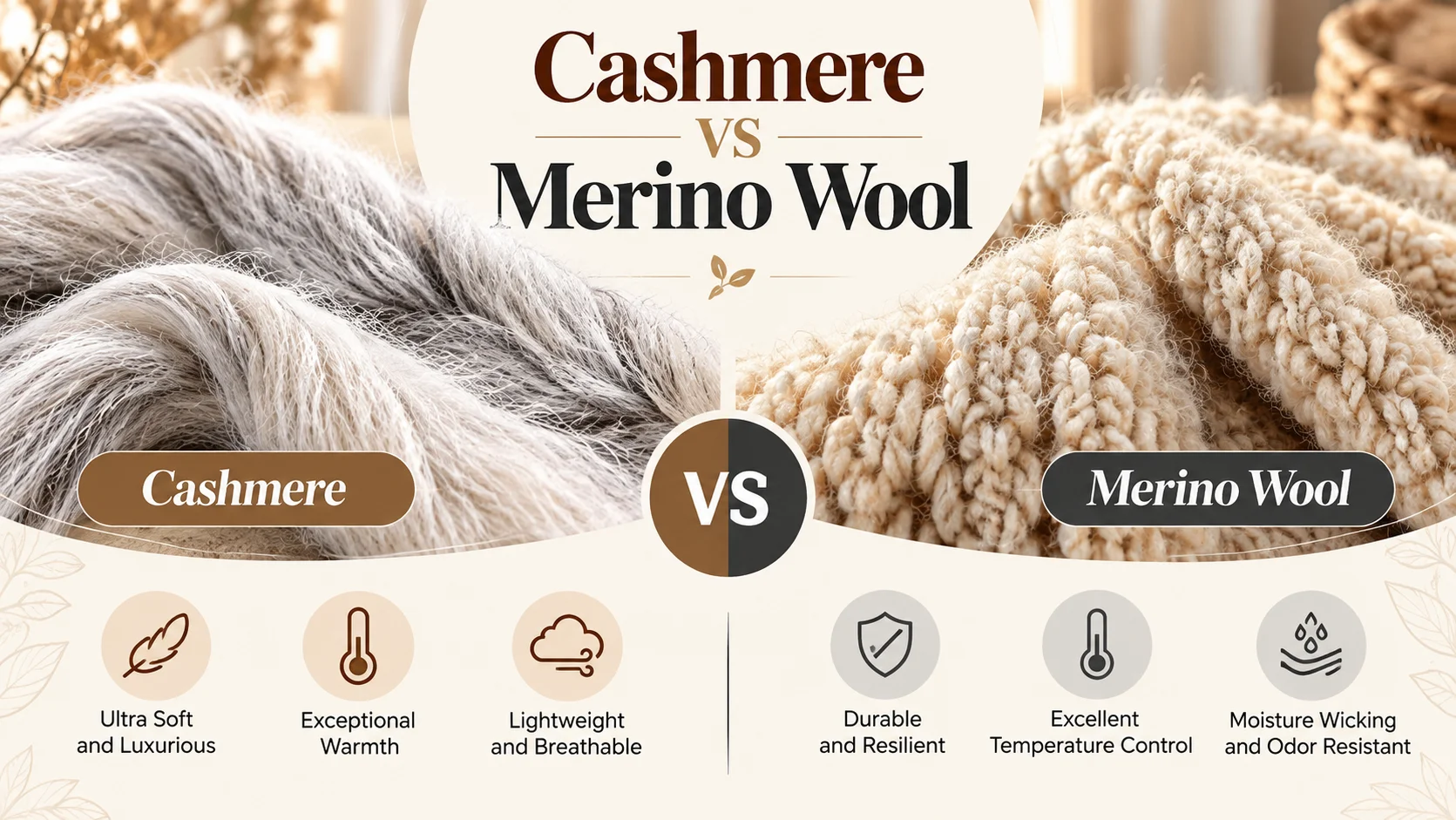
Although pashmina and cashmere respective attributes may be exposed to objections on grounds of accuracy and completeness in view of the fact that pashmina is the finer quality of cashmere wool only obtained from Changthangi, still, the rules of organic standards of making cashmere can be positive colloquialized back onto the market of sustainable pashmina shawls.
The term ‘organic cashmere’ is used when cashmere fiber is obtained in a manner which is devoid of the use of synthetic pesticides and fertilizers or toxic dyes to animals that are naturally raised and managed. In pashmina production, the organic paradigm encompasses provision that highland Changthangi goats are allowed to feed in clean areas, that their wool is combed free from processing chemicals and in the finishing stage non-toxic or non-chemical dyes are applied.
One of the most obvious benefits of organic cashmere principles is that it promotes sustainable pashmina shawls. The ecological impacts of cashmere farming have been significant; in particular, Mongolia and China have witnessed overgrazing leading to immense desertification in these areas. Sustainable pashmina industry of India on the contrary, promotes the comments on the “level of balance” and that is because it is informed by the traditional and nomadic ways of herding by the Changpa people in the Changthang area.
Worldwide, purchasers wanting to buy eco-friendly pashmina shawls that comply with non-conventional cashmere offers garbling with commercially sound and scientific defensible products. There are several externally certified schemes that are increasingly being extended to cover pashmina fibre as well, for instance, the Responsible Wool Standard and the Global Organic Textile Standard; these give consumers an independent assessment of the organic content of the products.
Consumers can be assured that such brands engage in the modification of their collections inclusive of, but not limited to, organic cashmire and sustainable pashmina shawls. This is increasingly important as consumer protection agencies and regulators begin to crack down on environmentally misleading statements in fashion advertising.
How Sustainable Pashmina Shawls Are Produced in India
The hotbed of traditional true sustainable pashmina shawls starts from the Democratic Republic of India; to be precise, the Jammu and Kashmir valley. The conventional practice can be seen in the total production system which advocates for the survival of artistry and people’s land skills the traditional way.
The production of this type of material pashmina shawl has its origins at the extreme end of the land, on Changthang grassland in Ladakh, at an altitude of 14,000 to 15,000 ft. The Changthangi goats, or the Chyangra, raised by the Changpa pastoral community, are taken out on a migratory pattern in saturation cycles dating back to many centuries. When the Himalayan winter drills in, the goats naturally develop an ultra-fine internal coat. Every spring season, the shade is hand combed from every goat by the Changpa, with each goat being ‘responsible’ for a mere 80 to 100 gm of raw Pashm. And this shortage explains to a certain extent the high cost of real as in sustainable pashmina shawls.
Raw Pashm is now moved to Kashmir Valley for iti for textile modifying operations using hand methods. Cleaning De- Haring most importantly does away with outer hard guard hairs and it is only very fine soft inner hairs that remain. Peasantry works in the appointed individual households where the Charkha hemispherical wheels still operate, to combine the silk into extremely delicate threads. This art requiring finesse and expertise in it because the halculine thread that spinners make can be of thickness close to 12-14 microns which is less than a hair strand.
Afterward, wooden handlooms are used to turn the thin strings into the body that is in shawls. The weaving, meant to be in days, takes around four towards three weeks for just a plain shawl, and a great deal more than that for making designs or embroidery in a piece. Also, embroidery in any of its forms, for instance, Sozni, which is sewn patterns, Kani, where patterns are woven with wooden implant bobbins, or Aari, which involves a hook type, requires many more months of culturized labor of artisans.
sustainable pashmina shawls
Increasingly, sustainable pashmina production employs natural colors such as that of plant extracts from, walnut, indigo, pomegranate peel, and saffron to replace synthetic textile dyes that are responsible for great pollution. Industry leading manufacturers also ensure water recycling and zero waste policies in their processing operations.
This whole cycle of operation – from plateau up to the making the shawl – is what gives sustainable pashmina shawls their particularity, their scarcity and their long term worth as an upscale B2B fabric.
Environmental Benefits of Sustainable Pashmina Shawls
The environmental benefits to opting for sustainable pashmina shawls are quite justifiable and in fact rather extensive too. As far as the clothing business goes, it accounts for about 10% of the total green gas emission and as much as 20% of water pollution in industry. Also, sustainable pashmina shawls can be sold as a true low-impact luxury item.
Carbon Footprint: In sustainable pashmina shawls, as these are completely handmade, without the use of any machines for the production process, the carbon footprint per parts is significantly lower than the machine made textiles. There are no costly weaving machines involved, no synthetic fiber extruder machines to be used and no heavy chemical factories to support such a process. The production is acceptable where the electricity for the traditional hand loom and charkha is zero.
Biodegradability: Pashmina is a sustainable product made of the classic pashm fibres, dyed or undyed, hence one can wear the sustainable pashmina shawls for years and at their end of life process, it can break down without releasing any microplastics in the system or any toxic elements. In contrast, the polyester-based shawls as already most people are aware remain entombed in the garbage places for many centuries.
Water Conservation: Classic pashmina processing conserves water greatly compared to over extended industrial textile manufacturing fiberglass textiles. And during coloration of the classical pashmina, where raw plant materials are used, the process skips the synthetic coloration that pollutes the environment thanks to the avoidance of metal salts and other glue substitutes that are harmful with synthetic coloration.
Conservation of land resources: The ancestral livestock keeping methods employed by the Changpa pastoralists in the Changthang range assist in the conservation of the range’s eco-system. While the industrial cashmere exploitation in Mongolia encourages overstocking leading to the degradation of the range like Ladakhi pastoralism, pashmina goats in Ladakh tend to be grazed in limited numbers to the integrity of the range systems, of which bio diversity is a major part, is maintained.
Resilience and Cooling Capacity: One of the least considered yet ecological advantage of producing the sustainable pashmina shawls is possibly, the most durable product. A good quality pashmina shawl of this category, furnished with proper care, a wrap can sustain for 20 -30 years – everything goes into the fact that the item is replaced less frequently over time and hence the ecological cost per use goes down significantly, unlike fast fashion.
Why Global Buyers Prefer Sustainable Pashmina Shawls
There are many reasons behind people’s growing acceptance towards sustainable pashmina shawls in terms of sale and these reasons are about the business, the rules, and the brand strategies, which in turn make them the best option for the new age.
High-End Market Penetration: It’s the mainstream market that the traditional textiles incorporate however it’s the content rich textiles that reach the sustainable -Pashmina shawls, they can penetrate markets of high end brands and luxury products. Exporters are targeting the department stores, luxury B2C market platforms and many other up-market retail outlets that come with ethical observers as they look for environmentally conscious textiles. Buyers who carry sustainable pashmina shawls in their inventory can not only find easy access but also hyper-visible high-margin retail outlets.
Consumer Demand Fit: These millennials and Generation Z consumers – who are expected to account for over 60% of total luxury spend by 2025 are conscious of sustainability in their buying behavior. In this regard, sustainable pashmina shawls are exactly what such consumers would want to buy and brands do need such offerings since this is the most lucrative section of their consumers and the one with the highest potential growth.
Regulations It is relevant to now mention the Regulation on the Implementation of green procurement in the context of the EU, the UK, and the US performance. Unlike other sectors, those who had already embraced the incorporation of sustainable pashmina shawls in the supply chains remain ahead of the control. Hence, cultural risk is provided for and reputation in the market is safeguarded.
Product Narrative: There isn’t any other fabric that can match the consumer-based product storytelling for the sustainable pashmina shawls. Customers can, therefore, introduce their consumers to deep and authentic stories of the product– the high mountain nomadic changpa herdsmen, the Kashmiri artistry skills of weaving, traditional cultural rich practices – which prompt emotions, encourage social media interactions and increase consumer loyalty.
Quality competition: In an always growing global textile industry, sustainable pashmina shawls are not rendered obsolete. There is no way mass production can ever match the exquisite rarity, art and ethical overtones of these textiles and their green credentials.
Relationships Over Time: Most reputable manufacturers of high-quality sustainable pashmina shawls attach greater importance to commercial links established with the potential buyers overseas. These commercial ties based on mutual trust, openness and common goals allow clients to enjoy stability of supplies, a reliable quality of goods offered and preferential treatment at times of tight supply conditions when it comes to the superior products manufactured in comparatively small amounts.
Impact of Sustainable Pashmina Shawls on Brand Value
The incorporation of the resident exotic all time favorite duplicates of sustainable pashmina shawls available locally in the portfolios of introductory majority categories of such brands that evolve. It is identified that successfully synergizing the economic benefits derived from sustainable pashmina shawls with ownership persuasion and ownership loyalty determinants influences sustainable edition of the produced facts.
Values-based purchasing explains the reality of consumers, who are sensitive to brands’ promises regarding ethical behavior. Nowadays the consumption is determined by values, and consumers all the times and in all cases check the credibility of the brands they select. If we continue with this sustainable pashmina graphic, a brand that is able to coordinate all these activities in a proactive manner without exposing any false advertisement, has the capacity to engage all the five senses of the consumer.
Surety bears effects of increased enterprise value. Data will as such at most the cost of a product carrying itself in a green manner, would be 15% – 30% more than the value of the same product without the green basics. To retailers, this translates to higher unit gross profit. To brands, it is an expansion of the brand’s equity and/or a reduction of the price elasticity of demand for the core consumers.
By promoting goods made from sustainable pashmina shawls, the company enhances significantly the public relations effect. Covers or even a short mention in Vogue Sustainability, the ethical fashion section of The Guardian, or a similar high end publication is a weapon more effective than any advertising. When well coordinated and serviced, a portfolio of real ‘green’ pashmina shawls already constructs a free advertising campaign the scope of which money cannot buy.
Moreover, companies that promote fair trade and environmental responsibility with respect to the production of pashminas are a major site for B2B relations and transactions. Corporate gifts distribution, procurement for hospitality businesses such as hotels and resorts, onboard services for airlines in business class cabins, and spa collections appeal to various markets all of which have a high value but are particular to products that have been ethically manufactured and are of quality. The sustainable pashmina shawls are ideal for these market channels.
Certifications and Standards for Sustainable Pashmina Shawls
Accreditations write the success story for trading sustainable textiles globally. Buyers looking forward to sourcing sustainable pashmina shawls must be able to comprehend the pertinent certifications for procuring washable pashminas with certainty.
GI tag (Geographical Indication): Kashmir Pashmina has been assigned the Geographical Indication tag by the Indian Government. This means that the product is manufactured in the Kashmir Valley in a certain manner. This is the block of credibility for the sale of sustainable pashmina shawls from India.
Kashmiri Pashmina Certification Mark: The Craft Development Institute (CDI) in collaboration with the Pashmina Testing and Quality Certification Centre (PTQCC) in Srinagar provides laboratory based testing and certification aimed at ensuring the fiber purity, compliance with micron size and fabrication methods. Purchasers ought to demand PTQCC test certificates from their vendors.
Global Organic Textile Standard (GOTS): GOTS certification ensures that quality and environmental compliance are guaranteed along the supply chain ensuring safety and health of consumers as it concerns use of organically grown natural and biosynthetic substances in treatment of the textiles. I would also mention that more and more sustainable shawls are getting this certificate for the most eco-friendly and anti-global warming practices that exist within the industry.
World Fair Trade Organization (WFTO) Membership: It is a pivotal membership especially in the case of manufactures where there is a fair trade approach in the payment advantages of all workers and members within an organization. Those looking to purchase fair trade shawls pashmina must check this certification.
Oeko-Tex Standard 100: The certification recommends the products for children, babies and for those who are allergic by testing for the presence of hazardous substances in the fabrics. Consumers of Oeko-Tex authorized sustainable pashmina shawls have an advantage over other buyers—it is easier to sell to people in places where products for people are actively protected.
Responsible Wool: The concept and descriptions locally mostly related to the wool of sheep sniper; is gradually developing Aphorism for better application and adoption of soft animal hair all through the Pashmina. This includes guidance on practice in regard to the land owned, the wellbeing of one’s animals and the trackability of the fibre – all of which are applicable in reasonable use of sustainable pashmina shawls manufacturing.
In B2B trading, it is expected to ask for proof of certification as the supplier evaluation step, and also adjustment of such certification demand into the purchase agreements. This closes any possible loophole especially with that of greenwashing, and also guarantees that every sustainability claim the company decides to communicate to the consumers has a proof.
How to Verify Authentic Sustainable Pashmina Shawls
In a market where every second seller resorts to counterfeiting and mislabelling, any B2B buyer worth their salt understands how to ascertain and even more confirm those keenly desired eco-friendly and sustainable pashmina shawls.
Fibre Testing: High-end fibre testing remains a collector’s dream for pashmina validation. Scanning Electron Microscopy (SEM) and decomposition tests can pinpoint both fibre category and dimensions with accuracy. Additionally, Pashm grade in contrast extends between 12 to 16 microns thickness – even softer than the finest merino wool. The buyer should ensure that laboratory tests are carried out by competent agencies such as PTQCC Srinagar, SGS or Bureau Veritas.
Weave Test: Minor deviations in the weaving quality are observed in every authentic and sustainable pashmina shawls that are handwoven. However, no variations may be found in the machine-woven fabrics. This can be seen with the use of a cloth inspector’s eye. Simple visual inspection created on this basis could be taught to the QA team of the customers.
Ring Test: A pure pashmina of the correct dimensions with a normal width of maybe 70cm by 200cm, is flexible enough to pass through a conventional finger fit ring. This test, while not very accurate is a simple traditional – and thus a portable indicative – test that can be used in the field to measure the length of fibres.
Auditing Suppliers: Across the globe, there are responsible buyers who participate in auditing factories of their suppliers – whether by themselves or through the services of certified third parties – to find out the reality of the production environment, systems employed and ways of manufacture. Suppliers engaged in making genuine sustainable pashmina shawls look forward to this check as it sets them apart from others who fear being exposed.
GI Tag Documents: Buyers looking to source from Indian producers need to obtain and verify documents supporting the GI tag and the registration of the supplier with the Geographical Indications Registry of India. This provides protection to the buyers against buying Kashmiri looking items from the suppliers.
Brand Co-Operations and Testimonial: Having associations with established, respectable foreign brands or membership to some such entities like the Craft Development Institute, or those such as the Kashmir Chamber of Commerce, involves dealing with a supplier which is followed by an extra assurance of credibility.
Challenges in Producing Sustainable Pashmina Shawls
Whereas, the explanation for sustainable pashmina shawls is very good, there is need for international buyers to applecart the cause them ever and comprehend the real difficulties of manufacturing sustainable ones.
Noting this helps in the generation of regimes that are effective with regard to procurement activities, builds loyal clientele and ensures honest promotion of brands.
Inadequacy of Raw Materials: In Ladakh, it is estimated that the Changthangi goats are around 800,000, while it is reported that a single goat is able to produce between 80 and 170 grams of Pashm a year. In such cases, the total domestic raw Pashm fiber supply from, India would naturally be or can safely be called limited Buyer should always plan with the appropriate construction lead time and avoid assuming that they would source quantity delivery from craft scale producer.
Climate Change Impact: The increasing impact of Climate Change on the Changthang plateau that sits on the Tibetan plateau and on Ladakh in India is resulting in changes in snowfall vagaries, pasture availability and temperatures leading to severe impact on the health and quality of the fibre produced by the Changthangi goats. The pasture heights and herds growing seasons “pashm” collection must be determined through an environmental concern and climate change, because these will exhibit a lot of constraints on sustainable pashmina shawls as a raw material. Sales teams focusing beyond cost should focus on this perspective.
Decline of skilled artisans: Some choose to change dress making in Kashmir in favor of urban occupation. Less and less of the skilled pashmina handicraft makers – especially the weavers and the embroiderers – are young people, with the majority of them being far older. Companies that expand their portfolios by promoting artisans and offering fair compensation to them are in fact taking a constructive approach to the destination but mindful of the challenges ahead.
Certification Cost and Complexity: There is a great deal of office work and expenses to be incurred to acquire international certifications like GOTS, WFTO membership or Oeko-tex and this becomes relatively inconvenient for skilled manufacturer owners of small and medium size. There is another way buyers can enable certification; by providing this support to their vendors as part of the developed supplier schemes or by using the middlemen who can be allowed to be certified.
Price Sensitivity in Global Markets: Within developed countries sustainable pashmina shawls are marketed at a higher cost, however in other markets pricing is generally affected by the level of competition and consumer expectations, prompting a call for easing the standards of sustainability. It is vital for the buyers to uphold high standards of procurement and to resist the temptation to lower them as it may endanger their standing and the sustainable pashmina category.
Future Trends in Sustainable Pashmina Shawls Market
The market of sustainable pashmina shawls has reached an enticing fulcrum. In the coming five to ten years, this tremendous growth will impact the existing market and bring great rewards to the first market entrants.
Traceability in Digital Supply Chain: Numerous textile companies in India are experimenting with blockchain technology with the aim of preserving comprehensive supply chain information associated with sustainable pashmina shawls without any alteration. Finished shawls will have QR codes that consumers can use to track the product’s location from the Changthang goat all the way to the final retail floor. Such a solution will exponentially increase consumer confidence and the opportunity for brands to tell an engaging story.
Direct-to-Consumer Strategy: Competitors such as sustainable pashmina shawls producers that are more likely to advance their business using the expansion of direct-to-consumer digital channels, which include selling on platforms like Instagram, launching their branded e-commerce sites or selling on entrepreneurial marketplaces, while doing wholesale too is also a component of these brands. Collaborating with their sustainable pashmina suppliers in digital storytelling may serve new purposes and ways of interplay between the sellers and/or customers.
Untapped Potential in the Hotel and Business Sectors: The hotel and airline industry as well as corporate gifting have heightened the demand for sustainable pashmina shawls to serve as top quality accessories or gifts. This expands the B2B market by introducing other channels which goes beyond a typical fashion store, increasing the sales volumes and enhancing the image of suppliers who cater for the interests of “green” customers.
Nature’s tell on Colour: Tradition of natural dyeing has been commercialised and is being brought back to Kashmir.
Nature’s Regard with Colour: The understanding of natural dyes has brought the craft history of Kashmir in a commercial aspect and Kashmiri natural dyeing legacy is under revival. Dyes from minerals and plants help produce privileged colour palettes which strongly appeal to the current-day logos oriented market. Eco pashmina, if one would call the naturally coloured up shawls that fetch much more in the price sensitive markets, and the naturally coloured products are also expected to see a sharp and fast increase in the sale.
Burden Easing by the Regulations: With Sustainability rules getting stricter, this specific advantage of already available sustainable pashmina shawls will also be going up. Those pashmina buyers who have already or are looking to invest in certified eco pashmina structures will enjoy substantive compliance targets with newly implemented regulations over the next decades without much hassle.
Artisan Luxury is on the rise: The emerging luxury sector is shifting focus from the rather loud, unnecessary aspects of luxury to the subtle complementary appeal of the rarer wares, cultural artifacts and respect to production ethics instead. With this new understanding, sustainable pashmina shawls are the most suiting pieces to exceed this expectation because they, indeed, supported neither by myths nor lies, are not only favored in women, but also inscribed in the history of one of the most prestige textile domains.
Conclusion: Why Investing in Sustainable Pashmina Shawls Is the Future
The fashion industry across the globe is experiencing the most drastic changes since the last several decades. Being sustainable is not a choice any more- it is the important factor for the industry since brands, buyers and retailers will be measured against its consumers, regulators, investors and society at large. sustainable pashmina shawls in these circumstances are not only a type of products. This is a form of competitive advantage.
As regards global B2B buyers and brands, there are benefits of investing in sustainable pashmina shawls from all the relevant aspects: including the quality of the product or service and its authenticity, the integrity of the supply chain, all applicable regulations, the reputation of the participants, acceptance by the consumers and the possibility of sustaining the business. It is worth noting the combined effects of fair pashmina production, environment friendly shawls and organic cashmere in making a perfect high quality and long lasting product.
Across these hilly tracks, Kashmiri artisans and Ladakhi Changpa herders have held onto a great tradition for many years. But today, the entire design universe has a chance and an obligation to support it – with real wages, clear production chains and conscious consumption that prefers truly sustainable options over those that merely look like they are.
Those customers, brands and stores that make that decision today are not just buying a commodity. They are engaging in collaboration, heritage protection, environment conservation and ensuring that they are part of the most relevant structural change in the fashion industry in recent memory.
Progress made on the ground remains fragile and can be undone unless the international marketing of war-funds by governments to certain quarters, especially those engaged in persistent conflict in certain regions as a means of sustainable pashmina shawls production is stopped or kept in check.
Do you feel like you may need some authentic and certified green pashmina shawls to add to your collection? Speak to our specialised sourcing team now for requesting price lists in bulk, samples of products and complete chain of supply records. From a bulk purchaser to a high-end retailer, or even a fashion company that is committed to producing socially responsible clothing, our sustainable pashmina shawls fit your vision, ethics and the market, respectively.
Related Products
Showing 1–9 of 826 results
-
Fine Wool Diamond Weave Stole | Wholesale Manufacturer,
Read more -
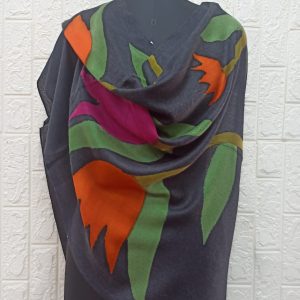
Fine Wool Hand Painted Stole | Wholesale Manufacturer,
Read more -
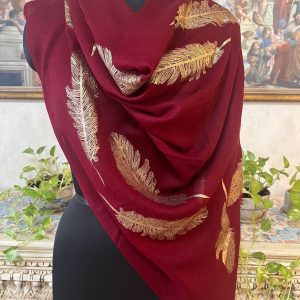
Fine Wool Foil Print Stole | Wholesale Manufacturer
Read more -
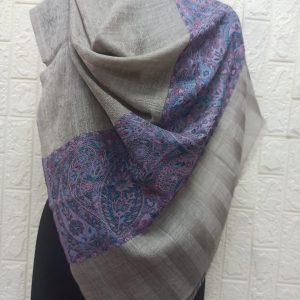
Fine Wool Kani Palla Stole | Wholesale Manufacturer,
Read more -
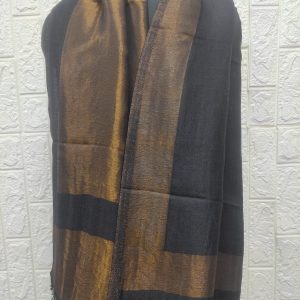
Fine Wool Zari Border Stole | Wholesale Manufacturer
Read more -
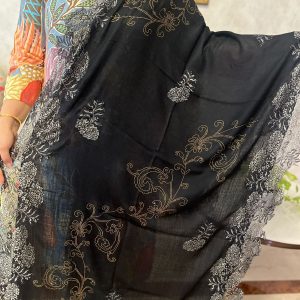
Fine Wool Lace Crystal Embellished Stole | Wholesale Manufacturer
Read more -
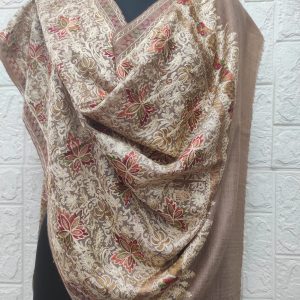
Fine Wool Machine Embroidery Stole | Wholesale Manufacturer,
Read more -
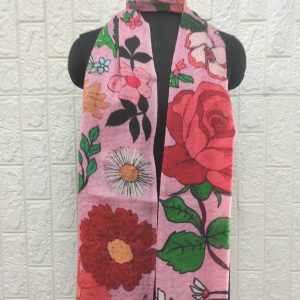
Fine Wool Digital Print Stole | Wholesale Manufacturer,
Read more -
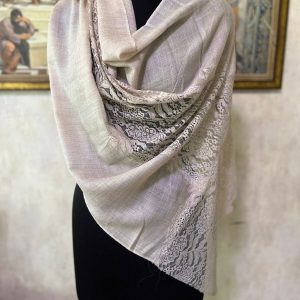
Fine Wool Lace Embellished Stole | Wholesale Manufacturer,
Read more