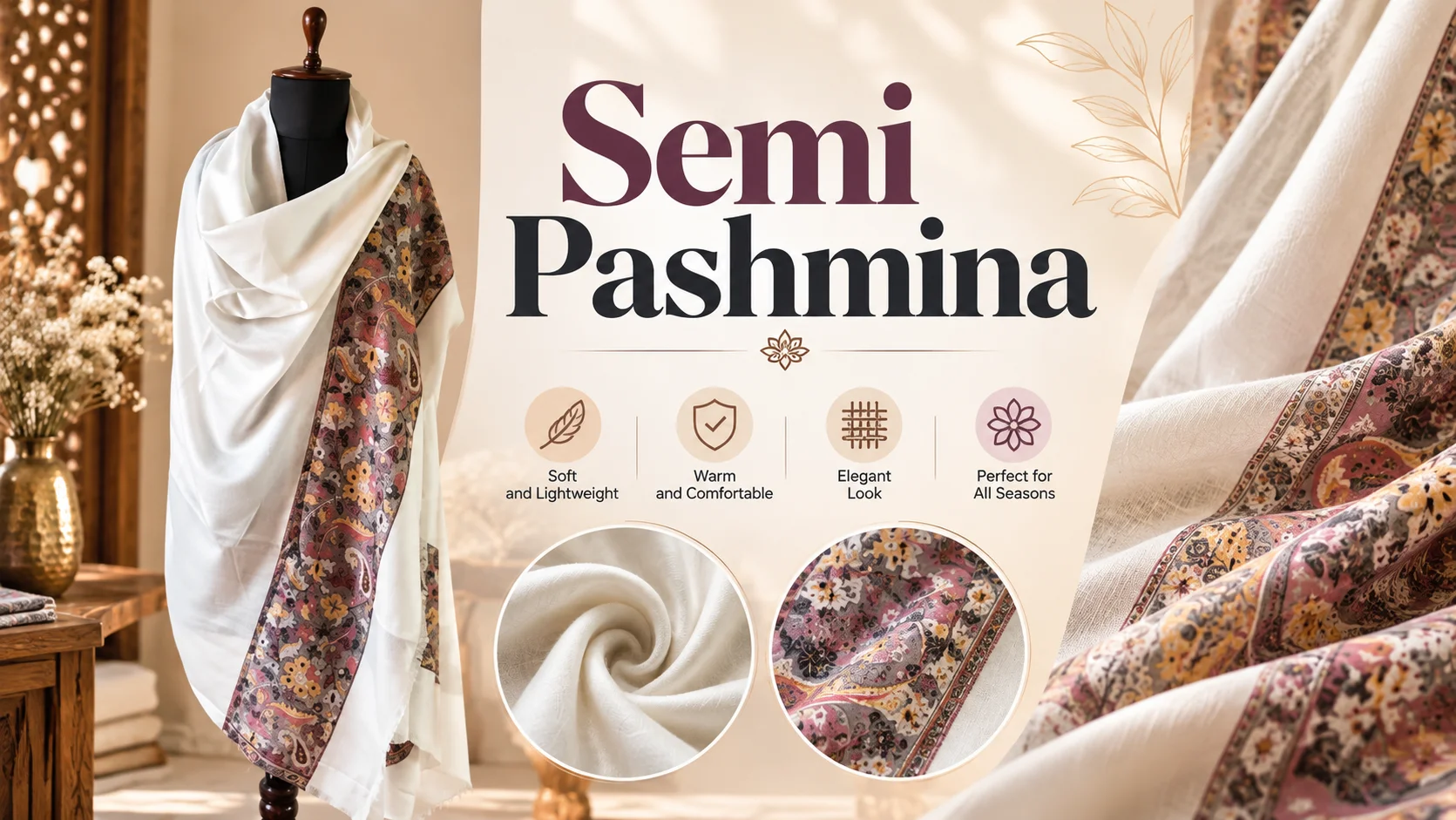

The global market for wholesale pashmina shawls has experienced continuous growth during the previous ten years because consumers increasingly prefer high-quality natural fiber textiles and handcrafted luxury products that they can buy at reasonable prices. Pashmina offers wholesalers, importers, retailers, and fashion business owners an attractive textile category which they can purchase through Indian wholesale markets.
Pashmina originates from the extremely fine undercoat that Changthangi goats possess, which live in the elevated regions of Ladakh in India. Pashmina achieves softness and lightness and warmth through its fiber strands which measure between 12 and 16 microns. These attributes enable retailers to charge premium prices for their products while creating high customer repeat purchasing which occurs in markets worldwide. India operates as the primary global source for wholesale pashmina shawls because the country possesses both genuine raw material supplies and traditional weaving skills which have developed over centuries in the Kashmir Valley and a comprehensive textile export system. Sourcing wholesale pashmina shawls from India provides outstanding business potential regardless of your importing needs for boutique retail or department store distribution or e-commerce channels or private-label brand development.
Succeeding in this market requires businesses to do more than pick a supplier who offers cheap products. The process requires you to understand the wholesale pricing system for wholesale pashmina shawls and the business impact of minimum order quantities and the methods for calculating and safeguarding profit margins and the procedures for locating manufacturing partners who provide dependable quality throughout their entire production process. The article provides complete coverage of the topic through practical details which can be implemented.
Why Wholesale Pashmina Shawls Are in High Demand?
The commercial appeal of wholesale pashmina shawls is driven by a powerful combination of consumer trends, market positioning, and product versatility that very few textile categories can match. The consumer market demonstrates increasing demand for natural sustainable products which artisan manufacturers produce.
Pashmina sits at the intersection of all these preferences. It is a natural fiber product with deep craft heritage, a compelling geographic provenance story, and a sensory quality which shows off its premium value to customers who experience it. The B2B commercial market establishes wholesale pashmina shawls as an accessory product which provides wholesale buyers their highest possible retail markup.
Products sourced at wholesale prices in India routinely retail at three to five times the import cost in European and North American markets, particularly when positioned around authenticity, GI certification, or artisan narrative. The margin structure of pashmina products creates one of the most profitable categories for importers and wholesalers who operate at any size. Product versatility adds further commercial appeal. wholesale pashmina shawls sell strongly across multiple retail channels which include luxury boutiques, gift shops, department stores, online marketplaces, fashion wholesale platforms, and corporate gifting programs.
The seasonal demand pattern shows significant peaks which occur throughout the year, with autumn and winter producing high sales volume and spring and summer being sustained by gifting and bridal and travel retail activities. The private-label market and brand-building opportunities in the pashmina category attract new entrepreneurial buyers who want to create branded businesses through wholesale pashmina shawls. This market segment expands quickly while it shows strong potential to discover new customers.
Understanding Shawl Wholesale Price in India
The process of determining shawl wholesale prices in India requires complete understanding of its pricing system to achieve successful sourcing of products. Many people who buy pashmina products in India for the first time make two types of price errors as they either want to buy expensive items at cheap prices or they spend too much money because they do not know how to assess vendor costs.
Shawl wholesale prices in India are primarily quoted on an FOB (Free On Board) basis which requires all expenses to be paid until the moment when products leave the Indian export port for delivery to their destination on a ship or plane. From that point, freight, insurance, import duties, and destination charges become the buyer’s responsibility. Your actual landed cost calculation needs this information for accurate results throughout the entire unit of measurement system.
Indian manufacturers provide wholesale Fedex operating basis (FOB) pricing for pashmina shawls which use 100% Pashm fiber to create handwoven products with standard dimensions of approximately 70 x 200 cm. The wholesale price for complex handwoven Kani designs and heavily embroidered Sozni pieces starts at USD 250 and can go up to USD 400 or higher. These are genuine manufacturer-level prices — not trading company prices, which typically add 20–40% on top.
Machine-made pashmina blends which use pashmina and silk or viscose or wool in different proportions have wholesale prices that start at USD 8 and reach USD 35 according to the specific blend composition and product weight and design complexity and finishing quality. The products generate substantial profit possibilities to support sales through mid-market retail and mass market distribution channels.
The shawl wholesale price in India you receive from any given supplier reflects the sum of their raw material cost, spinning and weaving labor, dyeing and finishing, quality control, packaging, and margin. The quote actually contains false information because it shows a lower price than the standard market rate which raises doubts about its products actual quality showing there is a hidden reduction in fiber purity.
Key Factors That Influence Pashmina Shawl Pricing
The wholesale pashmina shawls price from Indian manufacturers requires multiple interconnected factors for proper determination. You can analyze supplier quotes by understanding these factors which provide you with the necessary framework for your analysis.
The single most important factor which determines the price of a product exists in its fiber grade and purity. The genuine Pashm fiber content of the product together with its micron measurement establishes both the raw material value and the final retail price of the completed shawl. A 100% pure pashmina at 14 microns commands a fundamentally higher price than a 70/30 pashmina-viscose blend, and any supplier quoting the same price for both should be viewed with deep suspicion.
Production method is the second major variable. Handloom-woven pashmina, produced by skilled artisans on traditional looms, commands a significant price premium over machine-woven alternatives. The entire product cost of a complex handwoven design requires 40 to 60 percent for labor expenses. Machine production employs powerlooms together with semi-automatic systems which enable manufacturers to cut down their production expenses while maintaining product quality at wholesale prices.
The costs of materials and labor depend on the intricacy of the design. A plain, single-color pashmina shawl has the lowest production cost in its quality tier. The process of creating printed designs requires additional expenses for dye setup and screen preparation and printing labor. Embroidered designs, which include fine Sozni needle embroidery, require extensive hand labor, which results in the cost of base fabric increasing multiple times. Woven jacquard or Kani designs, which use weaving techniques to create patterns, cost the most because they require extensive manual labor during the weaving process.
The total number of units ordered directly affects the price per unit. The manufacturing companies base their pricing structure on the size of the order because they can decrease per unit costs through their ability to purchase materials at bulk rates while distributing their setup expenses across more products and enjoying better operational efficiencies.
MOQ in Shawl Manufacturing Explained
The Minimum Order Quantity which is known as MOQ establishes the minimum order amount which a manufacturer needs to deliver in order to fulfill an order. The manufacturing process requires a minimum production amount which determines the least amount that a manufacturer will deliver to fulfill an order. The minimum order quantity required by a supplier affects your financial operation needs and your inventory management requirements and your ability to negotiate with suppliers.
Manufacturers establish minimum order quantities because doing so helps their business operations. Production operations require multiple fixed expenses which need to be distributed among multiple products to create financial benefits. The manufacturer must pay identical dye setup expenses for 10 custom color pieces as they would for 500 custom color pieces. The manufacturer must establish minimum order quantities because small orders become financially unprofitable under standard pricing.
Effective negotiation about minimum order quantities requires understanding the underlying logic of the situation. Understanding the reasons behind minimum order quantity requirements enables you to suggest solutions which address the manufacturers cost challenges. The manufacturer needs to accept price increases for small orders and should allow multiple designs to be combined into one dye batch while they create better volume discounts for minimum order requirements.
Minimum order quantities change according to the type of product and the size of the manufacturer and the choice between ordering standard products and creating custom items. Suppliers who understand these distinctions will experience better efficiency during their discussions with you and they will avoid conflicts which emerge from negotiation processes.
How MOQ Impacts Pricing and Bulk Orders
The wholesale pashmina industry experiences its most significant commercial effect through the relationship between MOQ shawl manufacturers and their pricing strategies. The relationship of production volume to unit costs establishes the operational structure of your business because higher production volume results in reduced costs which lead to increased profit margins. The real world presents an example.
A manufacturer quotes USD 25 per piece for a quality pashmina-blend shawl at an MOQ of 200 pieces. The same manufacturer requires USD 21 per piece for 500 pieces and USD 17.50 per piece for 1,000 pieces. The total cost saving of USD 7,500 results from the 1,000-piece order which saves USD 7.50 for each unit when compared to the 200-piece price. This money increases your margin which supports your marketing budget or your ability to set more effective retail prices.
For buyers building a pashmina product line from scratch, this pricing dynamic creates an important strategic question: is it better to order larger quantities of fewer designs, or smaller quantities across a broader range? The best way to manage inventory risk while maximizing profit margins involves focusing all initial volume on the most trusted SKUs which match the market requirements and offer the best retail price potential. Bulk orders provide additional advantages to buyers when they match their needs because they receive lower unit prices. The production process of manufacturers assigns priority to bulk orders because it results in faster production times and assured delivery times. They provide better resources for quality control because they establish ongoing business connections with clients who generate substantial revenue which involves more than just one-time purchases.
Typical MOQ Offered by Shawl Manufacturers in India
The minimum order quantity requirements for Indian pashmina shawl manufacturers show substantial differences whose structure depends on the size of the manufacturer and their product offerings and their customized product designs. The understanding of typical range values enables you to determine the appropriate manufacturer tier for your current business development stage.
The standard catalog designs of large manufacturers with powerloom facilities and active export businesses require minimum order quantities that begin from 200 to 500 units for each product design or color variant. The manufacturers establish ideal wholesale conditions through their operational efficiency because they handle large orders which buyers distribute throughout the year according to their anticipated demand pattern.
The pashmina market in India operates through three major manufacturing tiers which include mid-scale manufacturers who supply machine-made products with a minimum order quantity of 100 to 300 pieces and handloom products which require 50 to 150 pieces for manufacturing. Importers seeking to establish diverse product lines or boutique buyers requiring limited design options without high per-design purchasing commitments should consider this business tier.
Most manufacturers who operate as reputable companies require their clients to order between 200 and 500 pieces per design when they seek custom design services which include custom color development and original pattern creation and exclusive embroidery design and private label product development. Buyers can obtain some degree of flexibility when they pay the non-refundable development fee and provide a written commitment for their future reorders.
Many Indian manufacturers who promote low minimum order quantities through B2B platforms usually operate as trading companies or agents who acquire products from third-party manufacturers instead of authentic production facilities. Their pricing system does not enable profitable wholesale operations across large businesses although they assist with product sampling and market research.
Hidden Costs in Wholesale Shawl Purchasing
The most frequent and most damaging error which buyers make when they enter the wholesale pashmina shawls market occurs when they concentrate only on the manufacturer price for each product and they disregard all the expenses which develop from the factory to the retail store. The hidden expenses create a substantial financial impact which affects business profitability while poorly designed sourcing operations transform financially successful contracts into performance downturns.
The first expense which people ignore is finally revealed through sample and development costs. The manufacturers which operate with good business practices charge their customers for sampling work which costs between USD 30 and USD 80 for standard designs and beyond that amount for custom development work. Sample costs need to be paid before receiving the bulk order and they turn into a financial burden because they require multiple supplier evaluations to be paid for.
Pre-shipment inspection fees are essential costs which buyers who prioritize quality need to pay because their existence remains unknown during initial cost assessments. The third-party inspection agencies charge inspection fees between USD 200 and USD 400 for each inspection day which makes it necessary to conduct one pre-shipment inspection for all major orders.
The costs for freight and insurance which cover shipping from India to your destination market constitute a significant expense which changes according to international shipping costs and fuel surcharges and seasonal variations in important trade routes. Air freight provides fast transportation but its cost reaches between USD 4 and USD 8 for each kilogram of garment shipments. Sea freight offers better value for shipping high quantities but it will lengthen your supply chain delivery period by four to eight weeks.
The import duties and taxes that your destination market implements will increase your total costs by 5 to 20 percent which depends on your country’s textile tariff schedule and your market’s trade agreement status with India. Research your specific HS code duty rate before finalizing sourcing economics.
The banking and payment transaction fees which companies encounter include Letter of Credit charges and SWIFT transfer fees and foreign exchange conversion costs which together increase expenses by 1 to 3.
Shipping, Logistics, and Export Considerations
The wholesale pashmina shawls sourcing business relies on effective logistics operations because their results determine financial success. Your retail or wholesale distribution operations experience multiple problems because your business associates face shipping difficulties that lead to increased costs and availability issues and customer service disruptions. The first order of your business requires you to understand essential logistics factors which help you to develop a plan that prevents major operational mistakes.
Delhi at Indira Gandhi International Airport and ICD Tughlakabad and Mumbai at JNPT sea port and Chhatrapati Shivaji Airport and Amritsar serve as India’s main textile export points for worldwide shipments. The best export hub for your selected shipping method should determine your choice of manufacturer because this decision will lower both inland freight charges and customs clearance difficulties.
Air freight serves as the primary option for time-sensitive orders which include seasonal deliveries and initial market-testing shipments and reorder replenishments. Air transit time to Europe requires three to five days while North American shipments need seven to ten days. Sea freight becomes the better option for planned bulk shipments because it decreases shipping expenses by 70 to 80 percent when compared to air freight for volume orders that do not require fast lead times.
Incoterms operate as rules that guide international trade agreements and they create monetary impacts for businesses while affecting their daily operations. The FOB (Free On Board) shipping agreement operates as the standard contract for skilled buyers because it permits you to manage shipping and insurance responsibilities while the producer takes care of Indian customs and port delivery duties. CIF (Cost, Insurance, and Freight) shipping allows manufacturers to manage most logistics functions which helps buyers who do not have established freight forwarder partnerships to operate their business.
Your manufacturer needs to deliver all necessary export documents which include commercial invoice and packing list and certificate of origin and airway bill or bill of lading and any destination-specific requirements.
Profit Margin in Shawl Business Explained
The profit margin comprehension in shawl business operations enables buyers to develop successful pashmina import enterprises while others need to achieve profit reliability. The process of managing margins in this category needs companies to establish their complete cost breakdowns which will help them understand how much they can price their products in their particular market and make sure their product and order decisions follow the established protocols.
The profit margin in shawl business operations can be most precisely determined through landed cost, which represents the complete expense needed to transport one unit from the Indian manufacturer to the distribution center for sale. Landed cost includes manufacturer FOB price, freight and insurance, import duties and taxes, customs clearance fees, inland delivery to your warehouse, and any quality inspection costs allocated per unit. The actual cost foundation for you exists beyond what manufacturers present through their FOB factory price.
Pashmina shawls sold in retail channels show different markup multiples which depend on their market category. European luxury boutiques allow handmade products which have GI certification or strong brand recognition to achieve markup multiples between four and six times their landed cost. The mid-market retail and online marketplace environments expect investors to achieve a more practical outcome which requires two to three times their actual landed cost. Retailers who purchase your products through wholesale distribution usually apply a markup between 1.4 and 1.8 times the landed cost, which produces gross margins that reach 28 to 45 percent.
A specific case demonstrates how this process works: The machine-made pashmina-blend shawl costs USD 18 which includes all freight and duty and customs charges that lead to a total warehouse entry cost of USD 24. Your gross profit for each piece sold wholesale to a retailer at USD 38 equals USD 14 which results in a 58 percent gross profit before you distribute overhead expenses. The direct-to-consumer product sold at USD 75 generates a margin of USD 51 through direct sales to consumers while maintaining a 68 percent gross margin which shows why D2C channel development has become essential for businesses.
How to Maximize Profit Margins in Shawl Business?
The shawl business requires multiple operational steps to achieve maximum profit which confirms that the process requires complete business operations to run efficiently while creating the highest possible product value for customers. The main strategy which helps buyers achieve better profit margins requires them to purchase more products in each individual product category. The MOQ discussion shows that businesses can achieve unit price reductions between 15 and 30 percent through volume-based purchasing. The key is to determine which of your high-demand SKUs requires dedicated volume commitment instead of distributing your entire output across multiple items that lack the capacity to reach individual design production targets.
The second most important strategy to improve profit margins requires businesses to develop private label and custom branded products. The wholesale pashmina shawls which carry their own unique brand identity and professional packaging with an engaging brand narrative and product distinction can command higher retail prices than all unbranded products. The additional expenses associated with private label development remain low compared to the higher market value and increased profit margins which it brings to retailers.
The development of direct-to-consumer sales channels enables businesses to expand their profit potential because it removes the need to pay wholesale distribution fees. The importer who sells through third-party retailers obtains one margin while direct-to-consumer sales through their own e-commerce platform provides them with two margin advantages. The D2C margin premium creates life-changing opportunities for pashmina businesses that possess strong branding and digital marketing skills.
Your logistics system can achieve better results through shipment consolidation which lowers freight costs per product while you secure annual freight deals with forwarders and choose between sea and air freight based on delivery needs.
Customization and Private Label Opportunities
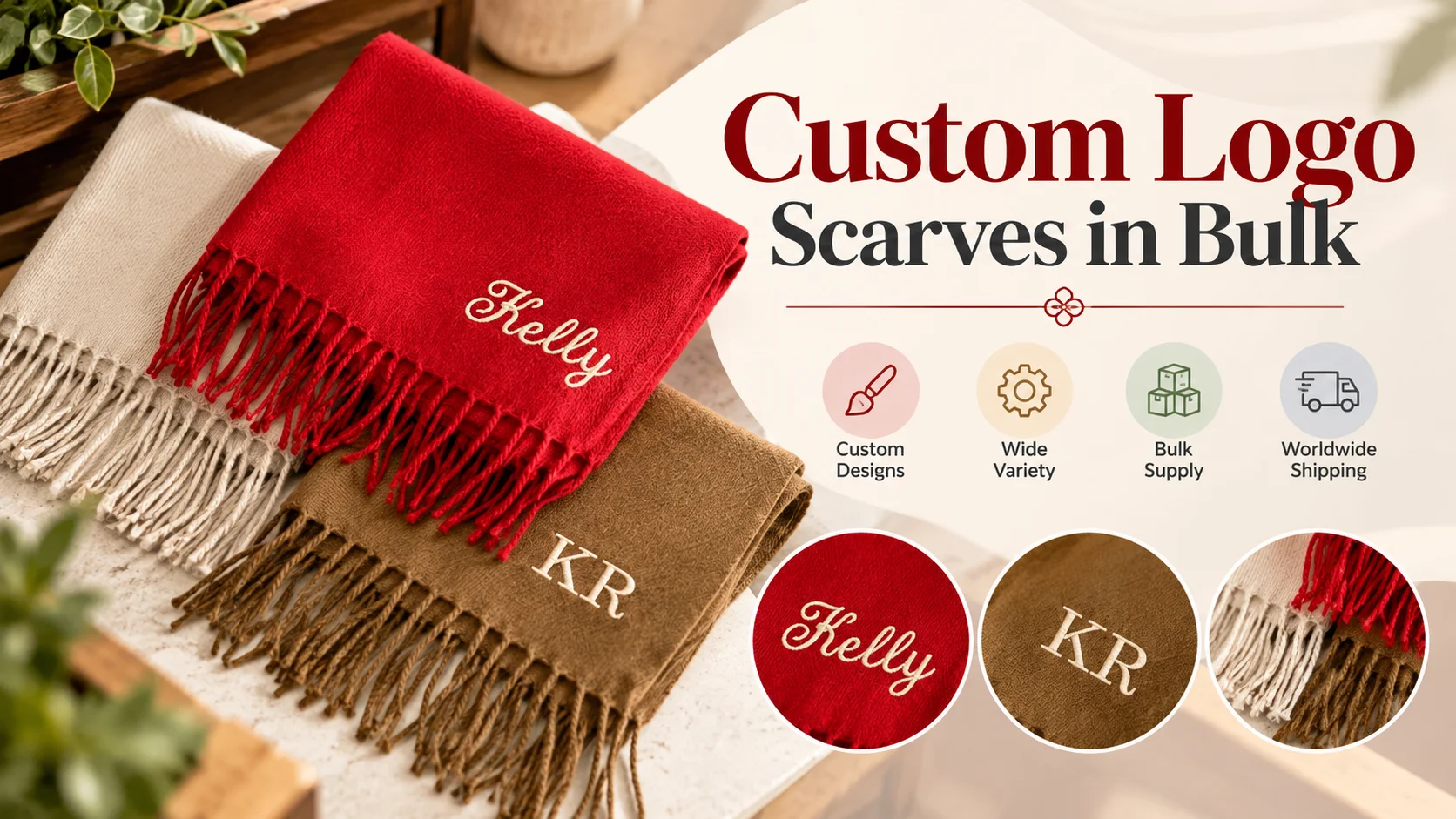
The leading manufacturers of wholesale pashmina shawls in India present their ability to customize products and create private label products as an unexplored business opportunity which enables buyers to establish protected brand identities while achieving high profit margins in the pashmina market. The product customization process allows users to select their desired fiber blend ratios and develop colors from PANTONE color standards and create designs through printed and embroidered and woven methods and specify product dimensions and weight requirements and choose between different edge finishing methods and fringe styles. Through custom product development buyers create SKUs which their competitors cannot obtain from the same manufacturer because those products possess unique manufacturing attributes which not all competitors can easily duplicate thus enabling buyers to establish exclusive products which justify premium prices and lead to high retail sales.
The private label services extend beyond the product to include complete retail presentation which features custom-woven or custom-printed brand labels and branded hangtags and multilingual care instruction cards and tissue paper and ribbon-tied gift boxes and retail-ready presentation packaging. A private label program that operates effectively transforms wholesale pashmina shawls into a branded product line which consumers connect to your brand identity instead of the standard pashmina product category. Established manufacturers who seek long-term partnerships with customers offer buyers exclusive access to NDA-protected design development which enables them to create unique designs and colorways that the manufacturer must keep exclusive for their use. Brands can achieve total exclusivity through this solution which requires them to pledge substantial volume commitments because it helps them establish unique market identities for their products.
The standard customization process for pashmina products requires two to six weeks while the complex design development process needs four to ten weeks for completion. The seasonal buying calendar should include these timelines as essential components instead of viewing them as unplanned process holdups which will bring unexpected challenges.
How to Choose Reliable Wholesale Pashmina Suppliers?
Selecting a suitable vendor represents the most critical choice for establishing a successful wholesale pashmina shawls enterprise. Indian pashmina suppliers present a comprehensive network which offers various degrees of quality and trustworthiness and business ethics. The only method to detect partners who will fulfill their obligations throughout extended periods is through the application of an organized selection method which needs to be used consistently.
The verification process commences with credential authentication. All authentic Indian pashmina exporters must possess a valid IEC (Import Export Code) which the DGFT issues and must maintain GSTIN registration while providing their credentials for independent verification. The Craft Development Institute GI tag certification serves as the highest level of authentic verification for Kashmiri pashmina products. Manufacturers who possess OEKO-TEX Standard 100 certification have proven their products contain no dangerous substances which has become a vital requirement for European and North American retail customers.
Manufacturers should verify their ownership of production facilities through direct investigation. You should ask the supplier whether they operate their own production facility or whether they use third-party manufacturers for their production needs. Request a factory audit — either in person, through a third-party inspection agency, or via a detailed video walkthrough. Manufacturers who operate their own production facilities will accept this request while trading companies which pretend to be manufacturers will usually try to avoid it.
Test sample quality through rigorous evaluation methods. The testing process requires all shortlisted suppliers to provide samples which need to match exactly the specified requirements so that their samples can be evaluated through comparative examination which requires side-by-side testing. The assessment process includes checking fiber softness and purity and matching color accuracy with Your PANTONE references and evaluating weave consistency and dimensional accuracy and finishing quality and label execution. Physical sample quality serves as the most dependable indicator for predicting the quality of bulk orders.
Check export references. The manufacturer should provide you with contact information for two or three international buyers who operate in markets that match your business profile and who have established relationships with the manufacturer.
Common Mistakes Buyers Should Avoid
The wholesale pashmina shawls market rewards buyers who approach it with knowledge, discipline, and patience — and punishes those who shortcut the due diligence process in pursuit of speed or the illusion of a bargain. The following mistakes are consistently responsible for the most costly sourcing failures in this category.
Accepting fiber claims at face value without laboratory verification is the most dangerous mistake in the pashmina market. Many products sold as pure or high-percentage pashmina contain synthetic adulterants that are undetectable without proper testing. Always request fiber composition test certificates from NABL-certified laboratories before approving bulk production.
Experienced buyers who place large initial orders without validating a manufacturer’s quality consistency find themselves regretting this financial decision. Start with a commercially meaningful but manageable first order — typically 200–500 pieces — before scaling to larger volumes. The information value of a validated first transaction far outweighs the marginal unit cost savings of a larger initial order.
Companies who fail to provide complete specification details through their purchase orders create ongoing quality control problems. The purchase order should clearly specify all required dimensions and weight in grams per square meter and fiber composition percentages and color references and finishing specifications and packaging requirements and quality acceptance criteria which need to be defined through writing instead of verbal agreement or assumed understanding.
Supplier quotes become invalid because underestimating total landed cost results in margin surprises which destroy the business case for an entire product line. Build a complete landed cost model — including freight, duties, inspection, banking fees, and currency exchange costs — before finalizing any sourcing decision.
You become commercially vulnerable when your supplier agreements lack contractual dispute resolution processes because non-conforming goods arrive. Specify acceptable quali
Conclusion: Building a Profitable Wholesale Shawl Business
The business case for building a wholesale pashmina shawls operation sourced from India is compelling — and the commercial fundamentals have never been stronger. The global market for high-quality natural fiber products is expanding. The manufacturing abilities and artistic skills and distribution systems of India make it the most advanced country in the world. The pashmina category offers accessory and textile wholesalers the most advantageous margin structures they can obtain in the market.
The business requires specific actions to achieve sustainable profit development. The process requires businesses to establish supplier relationships through proper supplier assessment and precise expense estimation and careful minimum order quantity control and targeted product development and enduring production partnerships which ensure stable dependable business connections throughout the years.
The buyers who succeed — those who build profitable, scalable, and brand-differentiated wholesale pashmina businesses — are those who treat the sourcing process as a strategic investment rather than a transactional exercise. They establish trust through verification and they request product samples before placing orders and they examine products before shipment and they develop connections before expanding their business operations.
The wholesale pashmina shawls market offers you a significant opportunity to expand your business through its well-defined entry process. The appropriate manufacturing partner in India provides you with top-quality fibers and traditional craft expertise and complete product development and dependable international shipping services which enable you to create products that your customers will love and which will deliver substantial ongoing profits for your organization.
Take the next step today. The process starts when you contact verified wholesale pashmina shawl manufacturers in India to request product samples, receive competitive bulk pricing, and explore customization options tailored to your target market. You need to provide your product requirements together with your production needs to receive a direct manufacturing quote which will arrive within 48 hours. Proper sourcing decisions lead to your most profitable path for developing pashmina products.
Related Products
Showing 1–9 of 826 results
-
Fine Wool Diamond Weave Stole | Wholesale Manufacturer,
Read more -
Fine Wool Hand Painted Stole | Wholesale Manufacturer,
Read more -
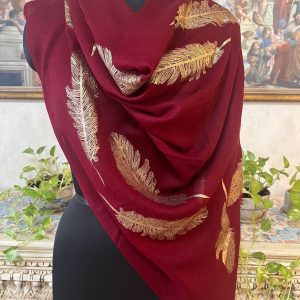
Fine Wool Foil Print Stole | Wholesale Manufacturer
Read more -
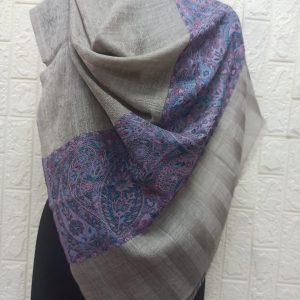
Fine Wool Kani Palla Stole | Wholesale Manufacturer,
Read more -
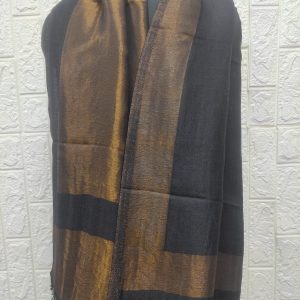
Fine Wool Zari Border Stole | Wholesale Manufacturer
Read more -
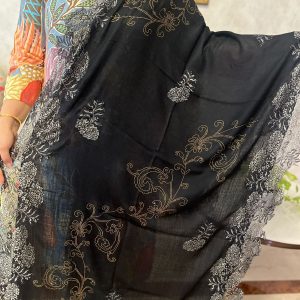
Fine Wool Lace Crystal Embellished Stole | Wholesale Manufacturer
Read more -
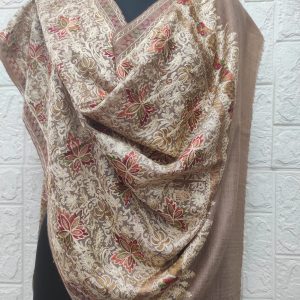
Fine Wool Machine Embroidery Stole | Wholesale Manufacturer,
Read more -
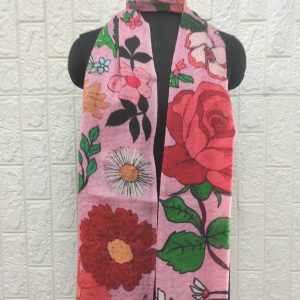
Fine Wool Digital Print Stole | Wholesale Manufacturer,
Read more -
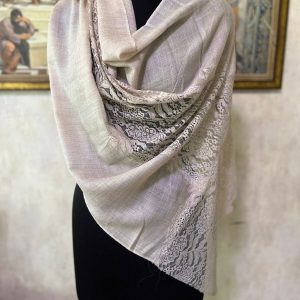
Fine Wool Lace Embellished Stole | Wholesale Manufacturer,
Read more