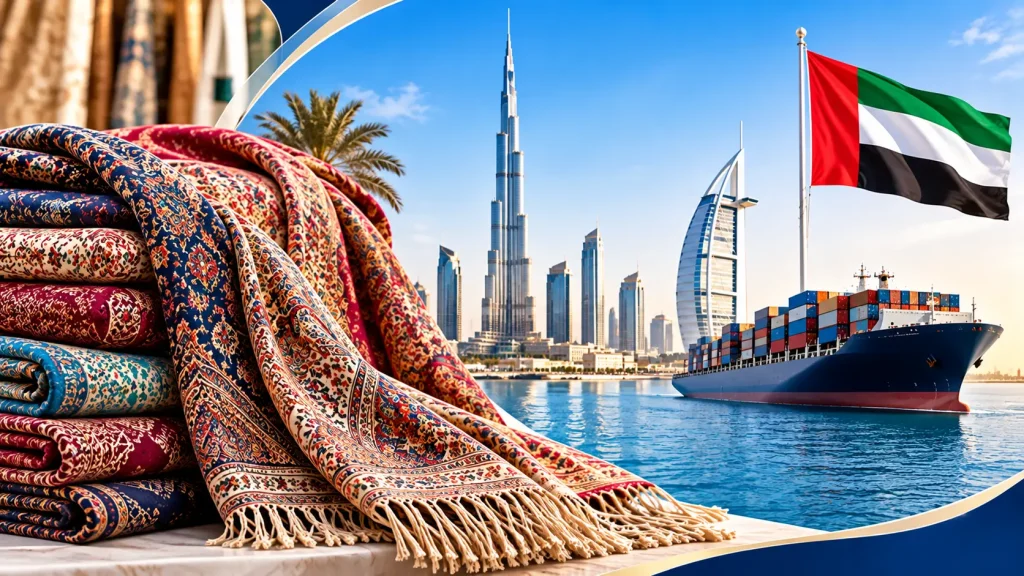
For shawl wholesale in Dubai, buying direct from an Indian manufacturer means one fewer middleman and, under the India-UAE CEPA, usually zero customs duty instead of the UAE’s standard 5%, as long as you hold a valid Certificate of Origin. You will still pay 5% VAT (which registered businesses normally recover), and you need a UAE trade licence, an importer code and a clearing agent.
Dubai is one of the busiest shawl, stole and pashmina markets in the world. Retailers, hotel gift shops, abaya and hijab sellers, wedding planners and re-exporters all buy there, and many of them still source through local traders who add a margin at every step. This guide explains how to import shawls from India to UAE directly: what UAE customs duty on textiles looks like, how the CEPA changes it, what documents to prepare, and how to work out a landed cost for pashmina and other shawls.
Duty rules and customs procedures change. Confirm your product’s HS code and the current requirements with a Dubai clearing agent before placing a large order.
Key facts at a glance
- The UAE normally charges a flat 5% customs duty on most imported goods, including textiles.
- Under the India-UAE CEPA, which took effect in May 2022, qualifying Indian textiles, including shawls, scarves and veils, enter the UAE at 0% duty.
- The preference is claimed with a Certificate of Origin presented at clearance. Without it, the standard 5% applies.
- VAT is 5% on imports into the UAE. VAT-registered businesses can usually reclaim it.
- Goods held inside a free zone such as JAFZA or DMCC can be stored and re-exported without UAE customs duty, which makes Dubai a hub for the GCC, Africa and CIS markets.
- The sea route between India and Dubai is among the shortest for any export lane.
Why buy shawls direct from India for the Dubai market
Most shawls in Dubai’s wholesale markets originate in India. Buying through a local trader is convenient for small lots, but direct sourcing starts to make sense once you order in volume or want your own designs and branding.
What you gain by going direct:
- A lower unit cost, because you remove one or two margins from the chain
- Control over fabric, colour, size and packing
- Access to private label and custom designs that local stock does not offer
- Consistent quality terms written into your order
- Better planning for seasons such as Ramadan, Eid, winter in the GCC and tourist peaks
What you take on:
- Longer lead times than buying ready stock in Dubai
- Responsibility for import clearance and documents
- Minimum order quantities per design and colour (see our guide on MOQ negotiation with shawl suppliers)
A common compromise is to import bulk core lines directly, and keep a small local stock for fast fill-ins.
UAE customs duty on textiles: standard rate vs CEPA
| Situation | Duty on shawls and scarves |
|---|---|
| Indian-origin goods with a valid CEPA Certificate of Origin | 0% |
| Goods without proof of origin, or that do not meet the origin rules | 5% standard UAE customs duty |
The CEPA treats textiles as an immediate-benefit sector, so shawls, scarves and similar items do not wait on a phased reduction. The duty on the shipment is worked out on the CIF value, which means goods value plus freight and insurance to the UAE.
What the Certificate of Origin is
The Certificate of Origin (CoO) is a document that confirms your goods qualify as Indian-origin under the agreement. It is issued by the relevant Indian authority and must accompany the shipment documents presented to UAE customs. Your supplier arranges it, but you should ask for it before you pay the balance, not after the goods ship.
Rules of origin in plain words
Preferential duty applies only to goods that are genuinely made in India. In general, the rules look for substantial processing or a minimum level of Indian value addition. A shawl woven and finished in India from Indian yarn is a simple case. A product that is made abroad and only packed in India does not qualify. Ask your supplier to confirm the origin position for each product line.
Landed cost example: $20,000 shipment of shawls to Dubai
This example assumes goods worth $20,000 on FOB terms, plus $1,200 for freight and insurance to Dubai, so the CIF value is $21,200. It compares a CEPA claim with paying the standard rate.
| Cost item | With CEPA Certificate of Origin | Without preference |
|---|---|---|
| Goods value (FOB) | $20,000 | $20,000 |
| Freight and insurance to Dubai | $1,200 | $1,200 |
| CIF customs value | $21,200 | $21,200 |
| Customs duty | $0 | $1,060 (5%) |
| VAT at 5% | $1,060 | $1,113 |
| Duty plus VAT at the border | $1,060 | $2,173 |
| Duty cost that cannot be recovered | $0 | $1,060 |
VAT-registered importers usually reclaim the VAT, so the real saving from the Certificate of Origin is the $1,060 of duty. Add clearing agent fees, port charges, local transport and your own storage costs when you price. For retailers, calculate landed cost per piece first and then set your margin.
Mainland company or free zone: which suits shawl importers?
| Option | Best for | Points to know |
|---|---|---|
| Mainland trade licence | Selling directly to Dubai retailers, hotels and the public | Needed to trade freely in the UAE market. Customs duty and VAT apply on imports for local sale. |
| Free zone company (JAFZA, DMCC and others) | Re-exporting to GCC, Africa or CIS buyers, or holding stock | No customs duty on goods that stay in the zone or are re-exported. Selling into the mainland usually needs a distributor or extra licensing. |
Many Indian and international traders use both: a free zone entity for re-export and a mainland partner for local sales. Your licensing adviser or clearing agent can tell you which structure fits your business activity.
Step-by-step: how to import shawls from India to UAE
- Set up your business. Hold a valid UAE trade licence that covers textile trading, and register for an importer code with Dubai Customs.
- Choose your manufacturer. Our guide to choosing the right shawl manufacturer lists what to check.
- Confirm your HS code. Woven shawls, scarves and mufflers sit under HS heading 6214, with the subheading depending on fibre.
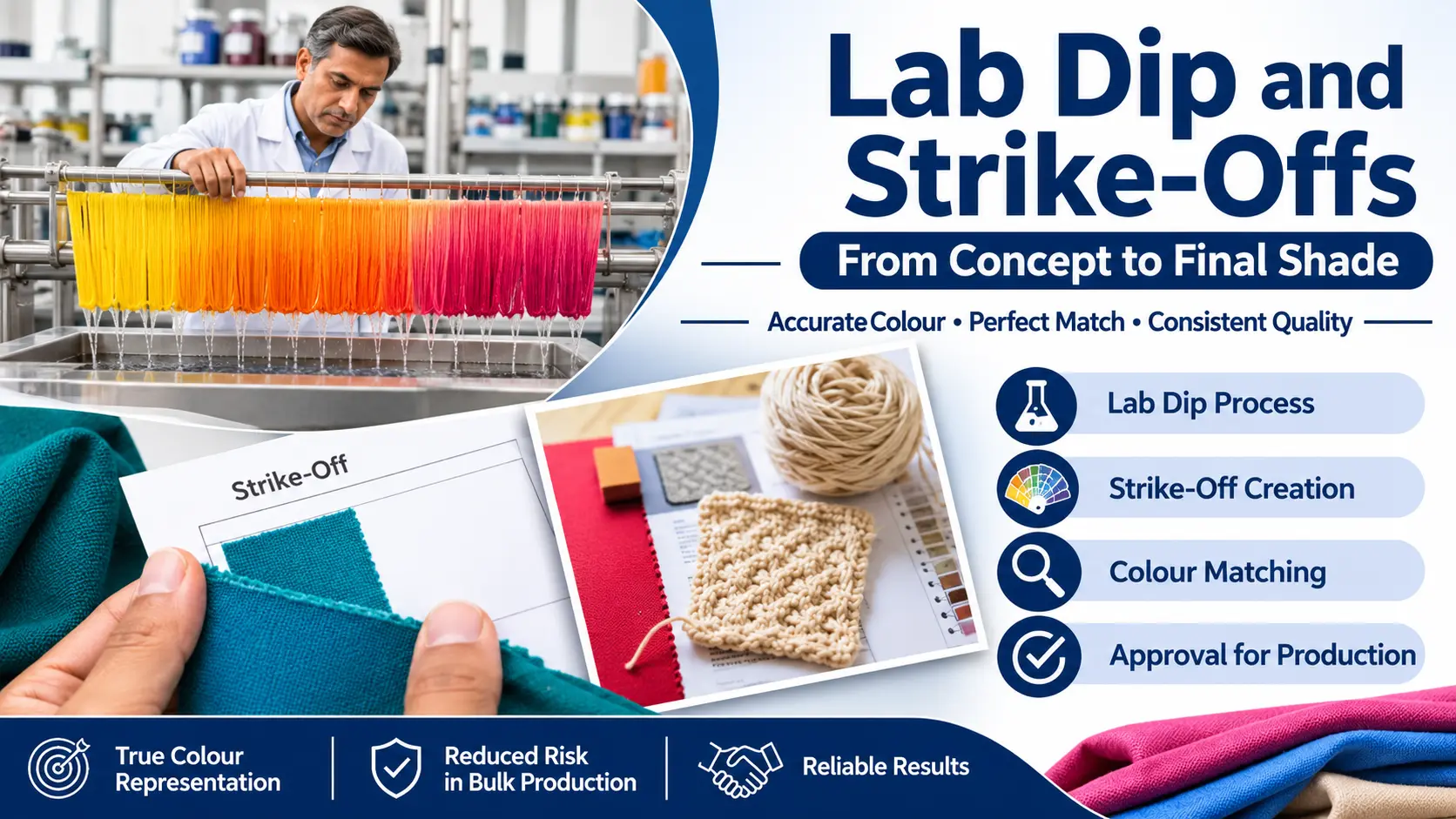
- Approve samples and colours before bulk production. See our guide to lab dips and strike-offs.
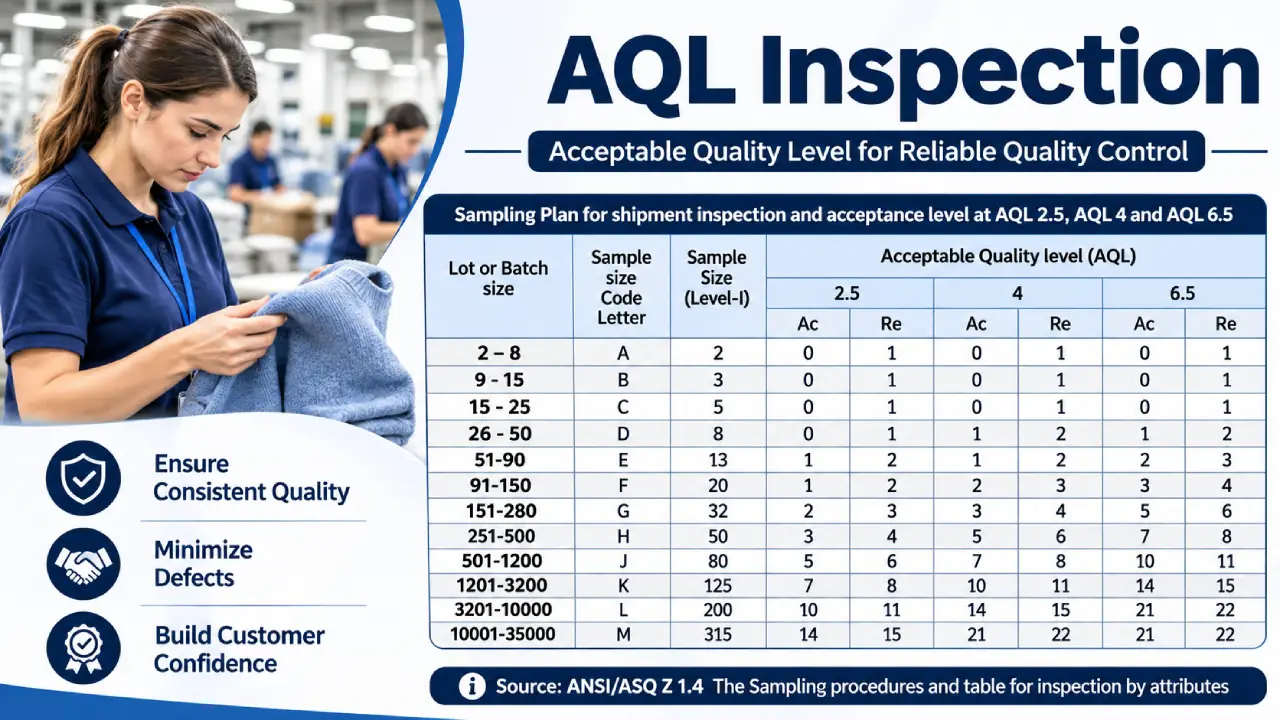
- Set quality terms and inspect. Read about AQL and pre-shipment inspection.
- Agree the Incoterm (FOB, CIF or DDP) and ask the supplier to arrange the CEPA Certificate of Origin.
- Book freight, by sea for bulk or by air for urgent and sample orders.
- Appoint a clearing agent to file the customs declaration, claim the CEPA rate and pay any VAT.
- Take delivery at your warehouse or free zone unit.
Documents for UAE customs clearance
- Commercial invoice with full goods description, fibre content, quantity, unit value and country of origin
- Packing list
- Bill of lading (sea) or air waybill (air)
- CEPA Certificate of Origin to claim 0% duty
- Importer code and trade licence details
- Customs declaration filed through Dubai Customs’ system, normally by your clearing agent
Some shipments may also need extra attestation or conformity checks, so ask your agent which apply to your goods.
Delivery times from India to Dubai
| Stage | Typical timing |
|---|---|
| Sampling and colour approval | One to three weeks |
| Bulk production | Several weeks, depending on quantity and design |
| Pre-shipment inspection | A few days |
| Sea freight (Indian port to Jebel Ali) | Usually about one to two weeks |
| Air freight | Around one to three days |
| UAE clearance and delivery | A few days |
These are planning ranges, and actual timing depends on the port, the sailing schedule and the season. Plan extra time before Ramadan and Eid, when freight and warehouses get busy.
Which shawls sell best in the Dubai market
- Pashmina and wool-blend shawls for gifts, tourists and winter. If you plan to sell “pashmina”, ask for fibre test evidence. Our guide to handwoven vs machine made pashmina explains what to check.
- Hijab and scarf styles in viscose, chiffon, jersey and cotton blends. See our hijab stoles wholesale supply.
- Printed and embroidered stoles for fashion retail and gifting.
- Corporate and hospitality gifting, where branded packaging matters. Our notes on shawl packaging for export cover cartons and retail packs.
- Private label ranges for boutiques and online sellers. Read about private label shawl manufacturing.
Tips for Dubai buyers sourcing from India
- Ask for the Certificate of Origin early. It protects you from paying 5% duty by mistake.
- Order by season. Book production well ahead of Ramadan, Eid and winter.
- Check labels. Fibre content and country of origin should be clear and correct on the product.
- Start with a trial order. Test quality, timing and paperwork on a smaller shipment, then scale up.
- Compare other markets. If you also sell in the UK or the USA, see our guides to importing shawls from India to the UK and importing shawls from India to the USA.
Frequently asked questions
Is there customs duty on shawls imported into Dubai from India?
The UAE charges a standard 5% customs duty on most imports. Under the India-UAE CEPA, qualifying Indian-origin shawls and scarves enter at 0% when you present a valid Certificate of Origin.
Do I need a Certificate of Origin to import shawls from India to UAE?
You need one to claim the 0% CEPA rate. Without it, UAE customs applies the standard 5% duty even if the goods were made in India.
Is VAT charged on imported shawls in the UAE?
Yes, UAE VAT is 5% on imports. VAT-registered businesses can normally reclaim it through their VAT return.
Can I buy pashmina wholesale in Dubai directly from an Indian manufacturer?
Yes. Many Dubai retailers and traders buy pashmina and other shawls direct from Indian manufacturers, usually with a minimum order per design. Ask for fibre details and test evidence if you plan to market a product as pashmina or cashmere.
Do I need a trade licence to import shawls into Dubai?
Yes. A UAE trade licence that covers textile trading and an importer code with Dubai Customs are normally required. Your licensing adviser or clearing agent can set these up.
How long does it take to ship shawls from India to Dubai?
Sea freight usually takes about one to two weeks, and air freight about one to three days, plus customs clearance and delivery. Production and inspection are the larger part of the total time.
Can I re-export shawls from Dubai to other countries?
Yes. Dubai is a major re-export hub for the GCC, Africa and CIS countries. Holding stock in a free zone can simplify this, but check the rules of your licence and the destination market.
Import shawls direct from an Indian manufacturer
If you want shawl wholesale for Dubai at factory-direct prices, work with a supplier who can handle origin documents, quality control and export packing. Savita Shawls supplies international buyers as a shawl manufacturer in India. You can read our page on shawl manufacturers serving Dubai, browse our wholesale shawls supplier range, explore our scarf manufacturing, or ask about custom shawl orders for your own brand. When you are ready, request a quote or use the contact page.