More fake pashmina is sold worldwide than real pashmina is produced. That is not an accusation aimed at any one supplier, it is arithmetic. Genuine Changthangi fibre comes from a limited number of goats in a limited region, and global demand exceeds that supply many times over. Anyone buying pashmina stoles wholesale needs to know what the fibre actually is, how to test it, and what a realistic price looks like, because a quote that seems like a bargain almost certainly is not pashmina at all.
What pashmina actually is
Pashmina is the fine undercoat fibre combed from the Changthangi goat, raised at high altitude in the Ladakh region and in parts of Kashmir. Fibre diameter runs 12 to 16 microns, which is roughly six times finer than human hair and finer than most cashmere.
Pashmina is a type of cashmere, not a separate fibre. All pashmina is cashmere. Most cashmere is not pashmina. The distinction is regional and grade based rather than botanical, which is why the terms get used loosely in the trade.
The fibre is combed rather than sheared, by hand, once a year during the moulting season. One goat yields a small quantity annually, which is the supply constraint behind every price in this category.
Anyone selling pashmina stoles wholesale at a price close to viscose is selling viscose. This is the single most useful test available to a buyer, and it costs nothing to apply.
Grades and blends in pashmina stoles wholesale
Pure pashmina at 100 percent Changthangi fibre is the benchmark and the highest price. It is exceptionally light, warm well beyond its weight, and soft in a way that is immediately obvious in the hand.
Pashmina silk blends, commonly 70/30, add sheen and drape while reducing cost. They are a legitimate and widely traded product, and they photograph better than pure pashmina, which is why they appear so often in ecommerce listings.
Pashmina wool blends, commonly 70/30 with fine merino, add structure and durability at a lower price. These carry mid market retail well and are the volume seller in most pashmina stoles wholesale programmes.
Viscose described as pashmina is not a grade, it is a misdescription. The word pashmina is used in some markets as a style descriptor for any large lightweight wrap, which muddies the water considerably. If you are buying on fibre rather than on shape, insist on the composition in writing.
Authenticity: what actually proves it
The burn test is the most accessible. Take a thread from the fringe rather than the body. Real pashmina burns slowly, smells of burnt hair, and leaves brittle ash that crumbles between the fingers. Synthetic melts into a hard bead and smells chemical.
The ring test is widely quoted and frequently misunderstood. A fine pashmina stole will pull through a wedding ring, but so will a fine silk or a fine viscose. It tests fineness, not fibre content, and a supplier presenting it as proof of authenticity is either mistaken or hoping you are.
Micron testing at a laboratory is the only definitive answer. For any pashmina stoles wholesale order of meaningful value, request a fibre fineness report from the supplier and consider commissioning an independent test on the first shipment.
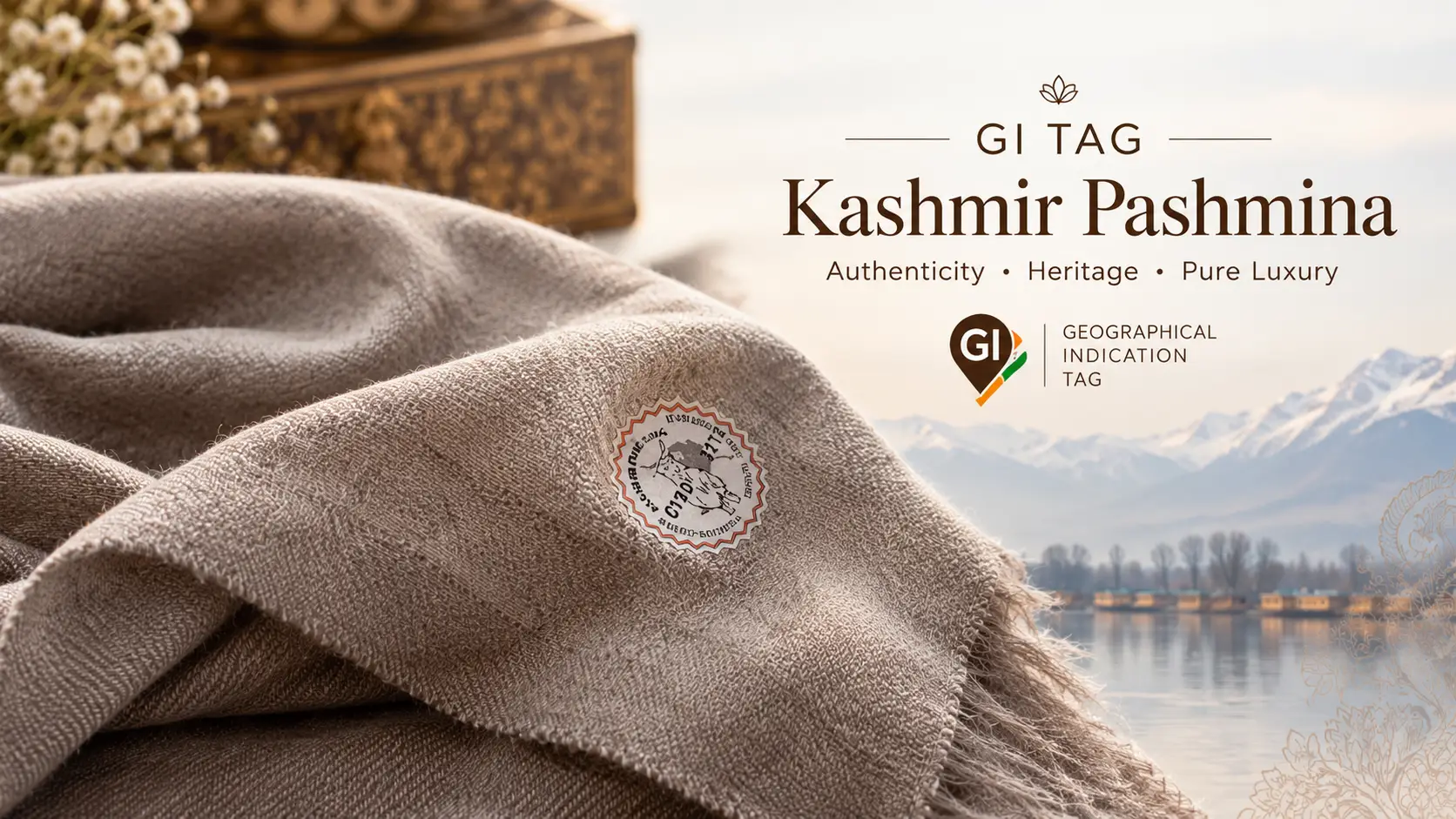
The Geographical Indication registration for Kashmir pashmina exists precisely because of the substitution problem. GI registered product carries traceable documentation. The registry is maintained by the Indian Intellectual Property Office.
Pricing in pashmina stoles wholesale
Fibre composition drives almost everything. The gap between pure pashmina and a pashmina wool blend at identical dimensions is several multiples, because you are buying a fundamentally scarcer raw material.
Weight follows. Pashmina is priced substantially by fibre content, so a 180 GSM piece costs considerably more than a 120 GSM piece of the same composition.
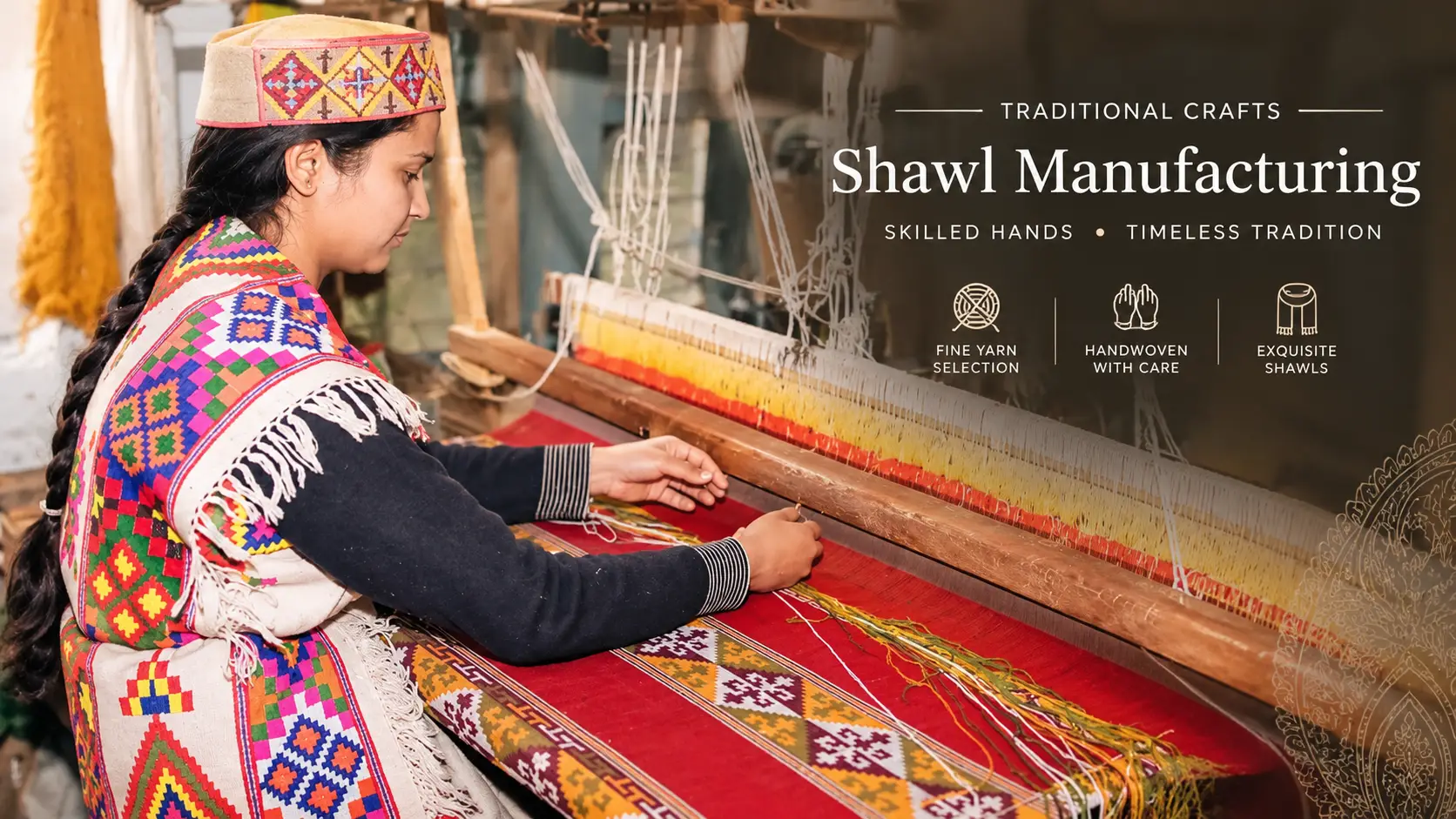
Handwork sits on top. Sozni needle embroidery is priced by artisan hours and on a heavily worked piece can exceed the cost of the base cloth several times over. Kani weaving, where the pattern is built in using small wooden bobbins, takes months per piece and prices accordingly. The detail on hand technique is covered in the guide to embroidered stole sourcing.
Quantity moves the number less here than in any other stole category, because the raw material is the constraint rather than the labour or the setup.
MOQ, sampling and lead times
Minimum order quantity for pashmina stoles wholesale generally sits at 100 pieces per design for stock styles and 150 to 200 for custom or embroidered work, where artisan scheduling requires a viable batch.
Sample before you commit, always, and handle the piece yourself. Pashmina is the category where the gap between a photograph and the physical product is widest, and where the cost of being wrong is highest. Expect to pay for samples with the cost credited against the bulk order, and expect five to seven business days for catalogue pieces.
Lead times run 10 to 15 working days for stock styles with your own label, 30 to 40 working days for hand embroidered work, and 45 to 60 working days or considerably longer for kani woven pieces. Hand technique does not compress under commercial pressure and a supplier who agrees to compress it is planning to substitute machine work.
Where pashmina sits in a retail range
Pashmina anchors the top of a stole offer. Volumes are lower than viscose or cotton by a wide margin, and unit margin is several times higher, which makes it worth stocking even at slow turnover.
Three retail contexts absorb most wholesale pashmina: luxury boutique retail, wedding and occasion gifting, and corporate gifting at the executive end where presentation carries the purchase.
Pashmina competes for the same shelf as two neighbouring categories. Cashmere stole grades offer similar softness at a broader range of price points, while fine wool stole sourcing covers the warmth driven end of the same winter shelf at accessible cost.
Terminology causes trouble here specifically. Buyers order a pashmina and expect shawl dimensions, or list a stole as a shawl. The guide to the difference between a shawl, stole and scarf covers the sizing conventions that prevent it. The wider pashmina product range shows the formats available.
Savita Shawls and pashmina stoles wholesale
Savita Fashions LLP, trading as Savita Shawls, has manufactured stoles, shawls and scarves from Gurgaon, Haryana since 1984 and supplies buyers in more than 20 countries including the UK, USA, UAE, Saudi Arabia, Germany, France, Japan and Australia. GST registration is 06AFPFS3876N1Z0 and IEC is AFPFS3876N, verifiable on the GST portal. The company is registered with FIEO and AEPC.
For pashmina stoles wholesale orders terms are 100 pieces per stock design and 200 pieces per custom or OEM design, with corporate gifting from 50 pieces with branding. Samples dispatch within 5 to 7 business days with the cost credited against the bulk order. Production runs 10 to 15 working days for stock styles with your label, 30 to 40 for hand embroidered work and 45 to 60 for custom woven designs including kani.
Pashmina sits alongside cashmere, merino, silk, modal, cotton, linen and viscose in the range, so a buyer can cover luxury and volume tiers within one purchase order and one set of shipping documents. Private label covers woven inner labels, care labels in your destination language, hangtags and branded packaging. Quality control runs in three stages, and fibre composition documentation is available on request for customs and retail compliance. Buyers new to the category should start with the guide to choosing a stole manufacturer.
Frequently asked questions
How do I verify pashmina in a wholesale order?
Use the burn test on a thread from the fringe. Real pashmina burns slowly, smells of burnt hair and leaves brittle crumbling ash, while synthetic melts into a hard bead. For orders of meaningful value, request a laboratory fibre fineness report showing 12 to 16 micron measurement, and consider an independent test on the first shipment.
Is the ring test proof of genuine pashmina?
No. A fine pashmina stole will pull through a wedding ring, but so will fine silk and fine viscose. The ring test measures fineness of the fabric rather than fibre content, so it cannot distinguish pashmina from a well made synthetic. Use it alongside a burn test and laboratory micron testing rather than instead of them.
What is the difference between pashmina and cashmere?
Pashmina is a type of cashmere. It refers specifically to fibre from Changthangi goats raised at high altitude in Ladakh and Kashmir, measuring 12 to 16 microns. General cashmere covers a wider range of goat breeds and regions, typically 16 to 19 microns. All pashmina is cashmere. Most cashmere is not pashmina.
What is the minimum order for pashmina stoles wholesale?
Most Indian manufacturers set minimums at 100 pieces per design for stock styles and 150 to 200 pieces for custom or hand embroidered work, where artisan scheduling requires a viable batch. Savita Shawls works to 100 and 200 pieces respectively, with corporate gifting programmes accepted from 50 pieces with branding applied.
Why do pashmina prices vary so widely between suppliers?
Because composition varies while the description often does not. Pure pashmina, pashmina silk blends, pashmina wool blends and viscose sold under the pashmina name occupy completely different cost bases. A quote close to viscose pricing is viscose. Always obtain the fibre composition in writing with percentages before comparing quotes across suppliers.
What GSM should pashmina stoles be?
Pure pashmina stoles typically run 100 to 180 GSM, which feels substantial in the hand despite the low number because the fibre is exceptionally fine. Pashmina wool blends run heavier at 150 to 220 GSM. Specify GSM in writing and check bulk delivery against the approved sample by weighing a piece and dividing by area.
How long does hand embroidered pashmina take to produce?
Hand embroidered pashmina stoles take 30 to 40 working days for standard sozni or aari work. Kani woven pieces, where pattern is built into the fabric using wooden bobbins, take considerably longer and can run to months per piece on intricate designs. Hand technique does not compress, and a supplier agreeing to rush it is planning to substitute machine work.
Does GI registration matter when buying pashmina?
Geographical Indication registration for Kashmir pashmina exists because fibre substitution is widespread. GI registered product carries traceable documentation linking it to the registered production region. For buyers whose retail positioning depends on provenance claims, GI documentation supports those claims in a way a supplier’s verbal assurance does not.
Ready to order
Send your requirement with composition, GSM, dimensions, quantity and any embroidery direction, and Savita Shawls will return pricing, confirmed lead times and sample availability. Samples ship within 5 to 7 business days with the cost credited against your bulk order, which is the only reliable way to evaluate pashmina before committing. Start with a pashmina stole quote request, email sales@savitashawls.com or call +91 7696677766.