When the first cold wind sweeps through October and shoppers start hunting for something soft, warm, and luxurious to wrap around their shoulders, one product category dominates the search results every single year: winter pashmina shawls. If you’re a retailer, boutique owner, or fashion brand trying to figure out what’s actually going to sell this season, you’ve landed in the right place.
At Savita Shawls, we’ve been manufacturing winter pashmina shawls in Gurgaon, India since 1984. That’s four decades of watching trends come and go, fabrics rise and fall in popularity, and one thing remain constant — pashmina never goes out of style. So in this guide, we’re breaking down everything you need to know about winter pashmina shawls in 2026: the materials, the styles, the manufacturing process, and why sourcing from the right manufacturer can make or break your season.
Why Winter Pashmina Shawls Are Still the Star of Cold-Weather Fashion
There’s a reason winter pashmina shawls have survived centuries of changing fashion. They’re not just warm — they’re elegant in a way that synthetic fabrics simply can’t replicate.
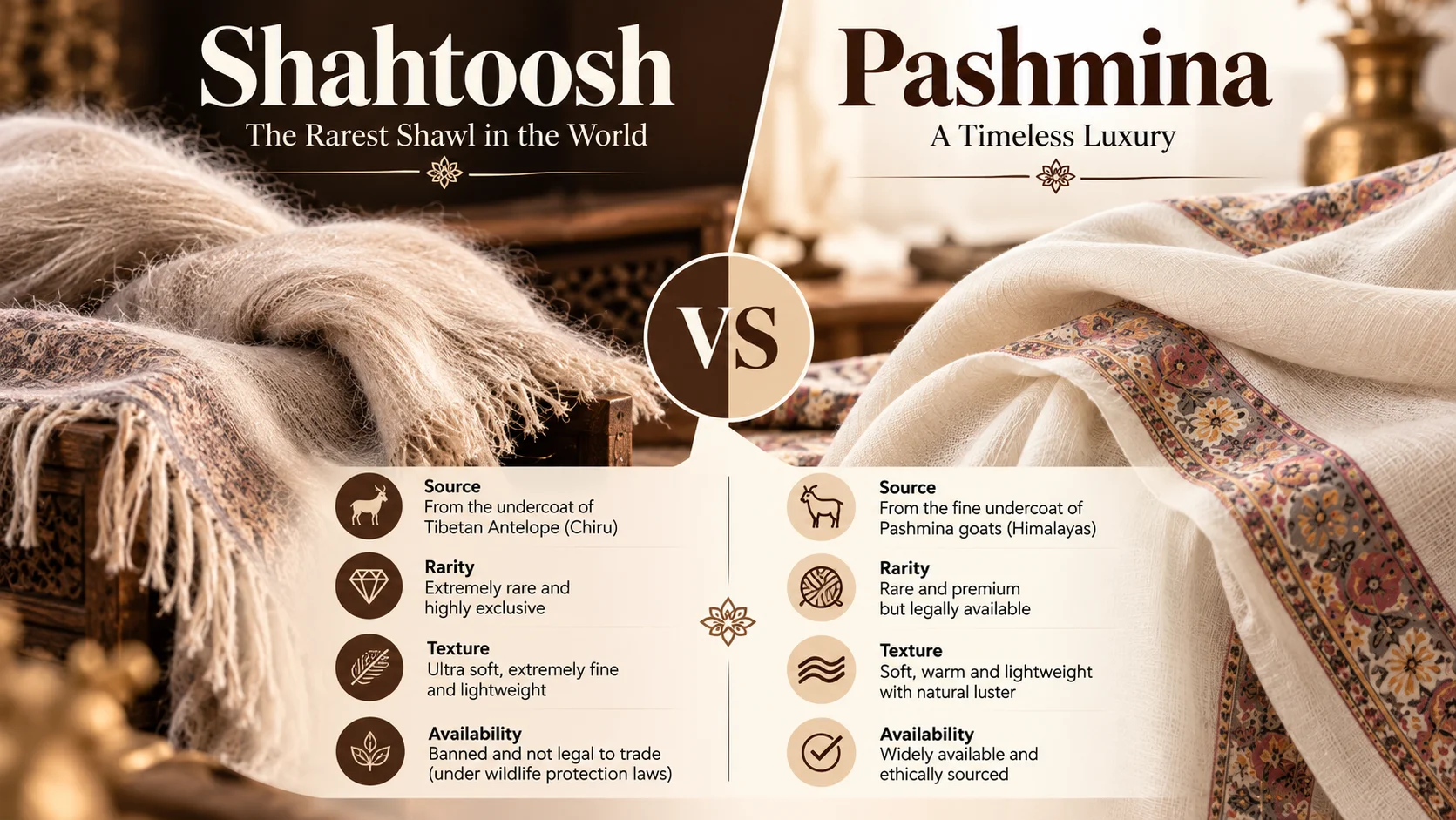
Genuine pashmina comes from the undercoat of Changthangi goats reared in the high-altitude regions of Ladakh and Kashmir. The fibre is incredibly fine, often under 16 microns in diameter, which is what gives winter pashmina shawls that signature softness against the skin while still trapping heat efficiently.
For retailers, this matters commercially too. Customers are willing to pay a premium for winter pashmina shawls because they can feel the difference the moment fabric touches their hand. That perceived value translates directly into better margins for boutiques and fashion brands stocking the right product.
If you want to understand the fibre science behind it, the Pashmina offers a good technical overview of how the wool is sourced and classified.
What Makes a Shawl “Winter Pashmina” — And What Doesn’t
Not every shawl labelled “pashmina” in the market is actually genuine. This is one of the biggest pain points B2B buyers tell us about — they order winter pashmina shawls expecting 100% Changthangi wool and receive a viscose-wool blend instead.
Here’s how to tell the difference when sourcing winter pashmina shawls for your business:
- Pure pashmina — 100% Changthangi goat fibre, extremely soft, lightweight, warm. Premium pricing.
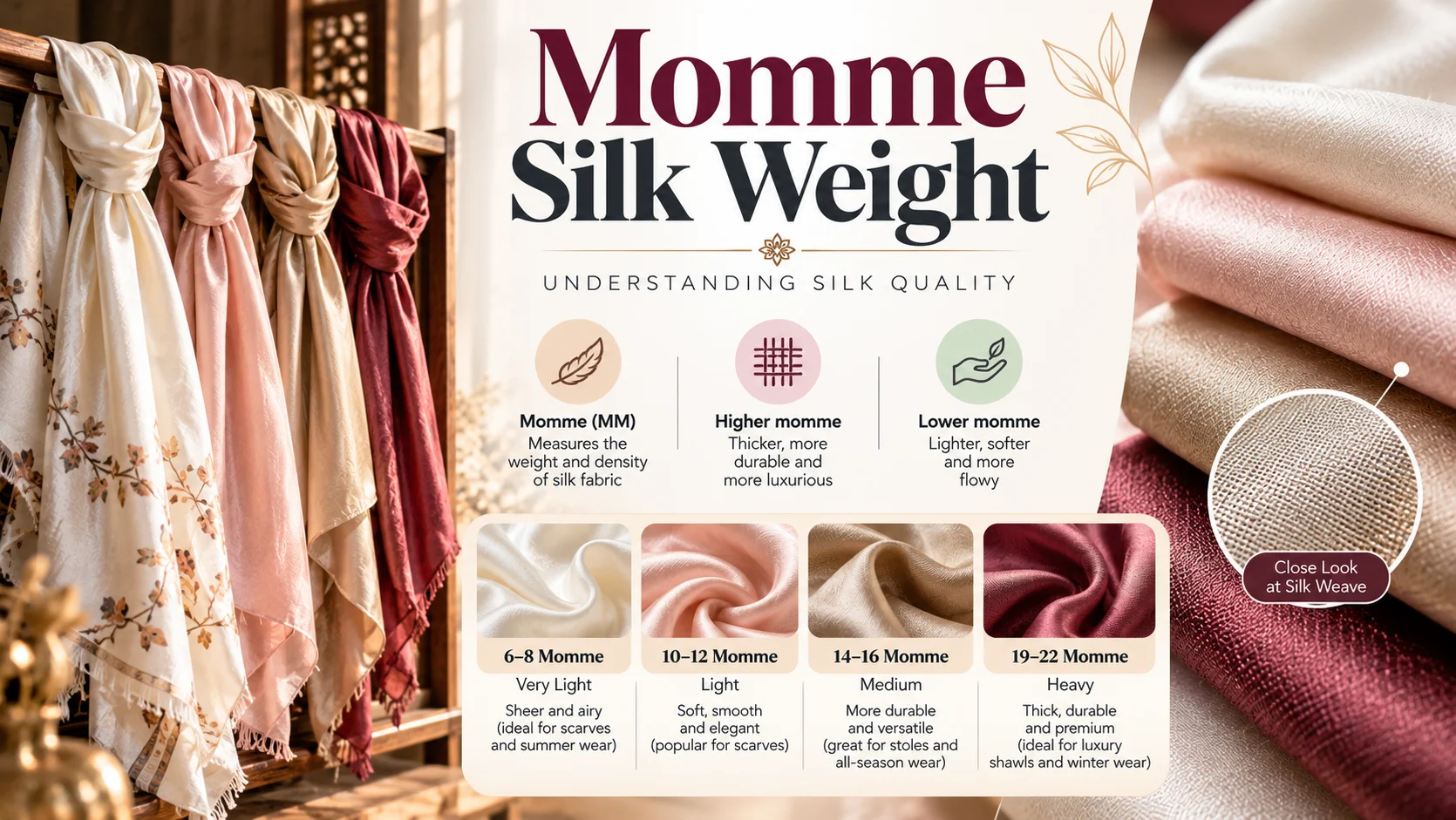
- Pashmina-silk blend — Usually 70% pashmina, 30% silk. Adds a subtle sheen and slightly more structure, still very warm.
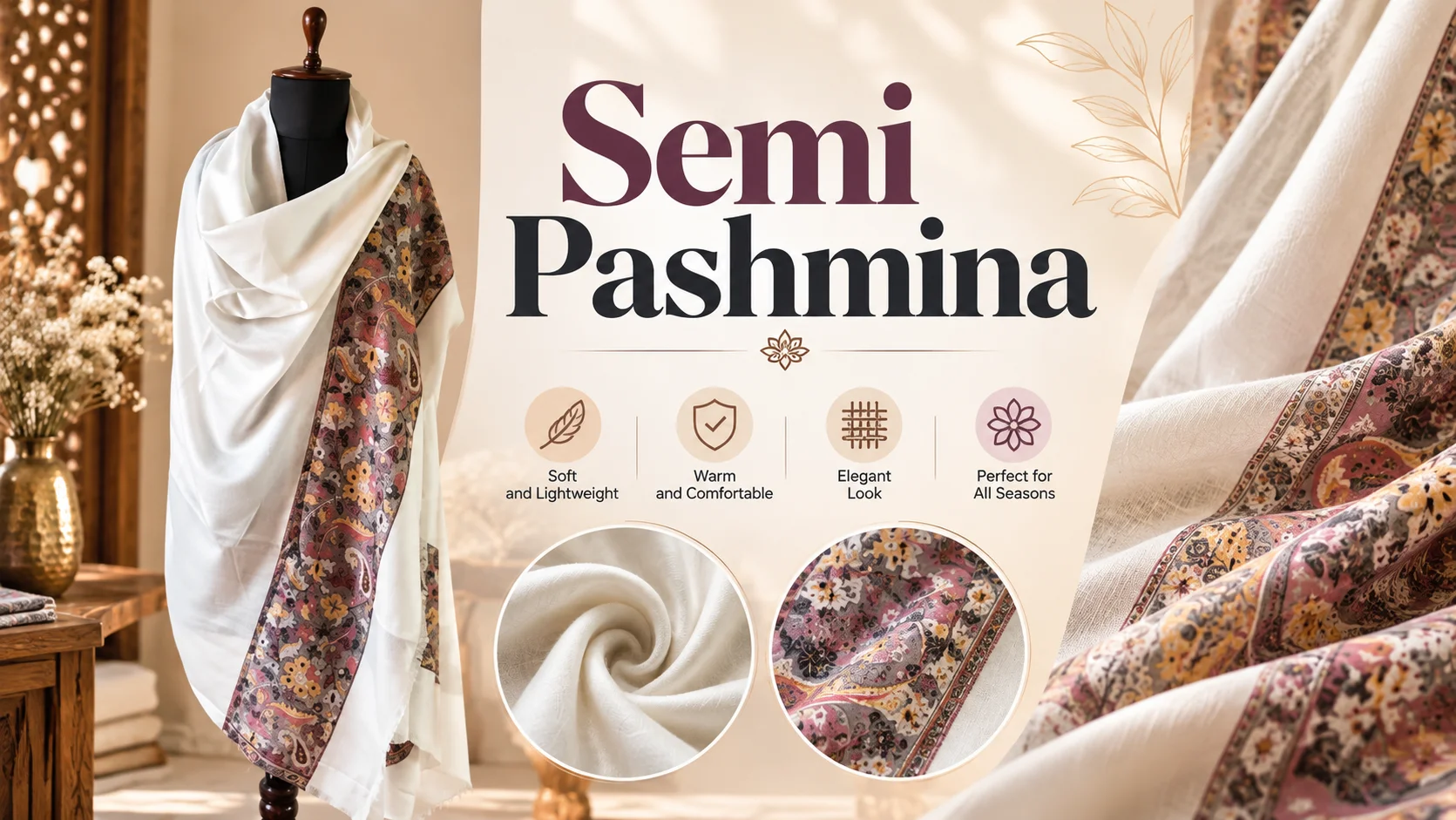
- Pashmina-wool blend — More affordable, slightly less soft, but still delivers excellent warmth for winter pashmina shawls at a lower price point.
- “Pashmina” viscose — Often mislabeled. Soft to touch but lacks the warmth and breathability of real pashmina.
A reliable shawl manufacturer in India will always be transparent about fibre composition, ideally providing material composition certificates for each batch. This is non-negotiable if you’re exporting winter pashmina shawls and need customs documentation to match the product description.
Types of Winter Pashmina Shawls Trending in 2026
The winter pashmina shawls category isn’t monolithic — there’s a wide spread of styles, and knowing what’s trending helps you stock smarter.
1. Plain & Solid Pashmina Shawls
Minimalist, versatile, and a constant bestseller. These winter pashmina shawls work across every market because they pair with literally any outfit, making them a safe high-volume bet for retail shelves.
2. Embroidered Pashmina Shawls
Hand Embroidered Shawls Kashmiri work — think Sozni or Tilla embroidery — turns a simple winter shawl into a statement piece. These command significantly higher retail prices and are especially popular with boutique and bridal buyers.
3. Jamawar & Kani Winter Pashmina Shawls
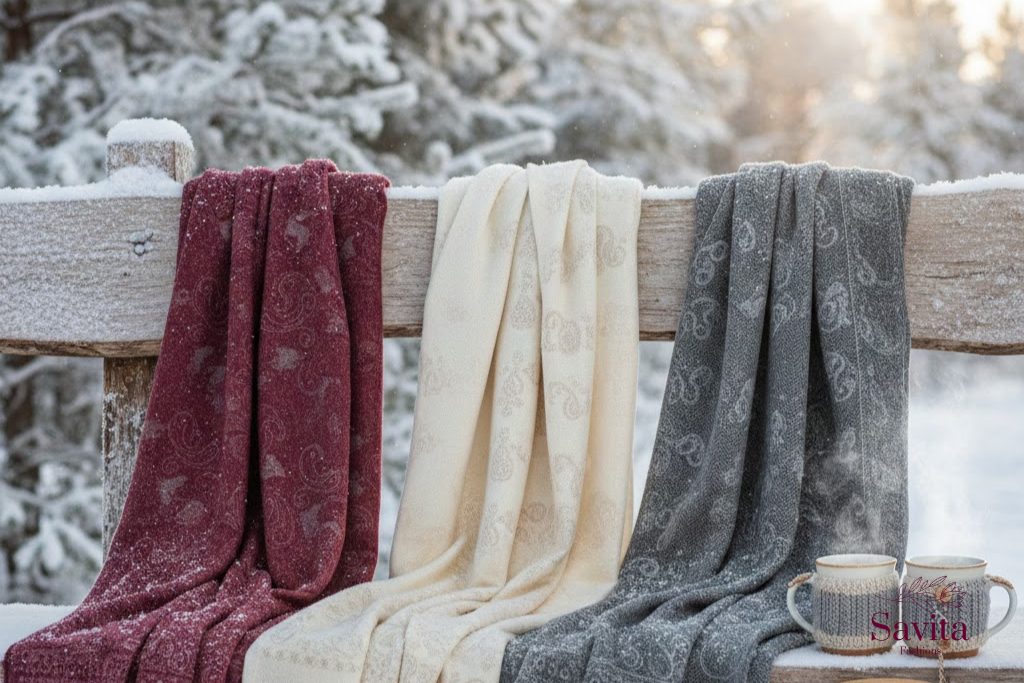
Woven (not embroidered) with intricate paisley and floral motifs, Jamawar shawls and Kani shawls represent the most labor-intensive end of winter pashmina shawls production. Buyers sourcing for luxury or heritage-focused brands gravitate here.
4. Reversible Pashmina Shawls
A newer trend gaining real traction in 2026 — dual-tone, dual-pattern winter pashmina shawls that let the wearer flip the shawl for two completely different looks. Great for boutiques wanting to offer “two products in one” value.
5. Ombre & Digitally Printed Pashmina Shawls
Modern colour gradients and digital prints on pashmina blends are pulling in a younger demographic that wants the warmth of winter pashmina shawls with a more contemporary aesthetic.
If you’re curious to see the breadth of styles available, our pashmina shawls collection showcases the full range from plain weaves to heavily embroidered pieces.
Materials Beyond Pashmina: Wool, Cashmere & Silk
While pashmina sits at the top of the winter shawl hierarchy, smart retailers stock a tiered range so they can serve every price point in their market.
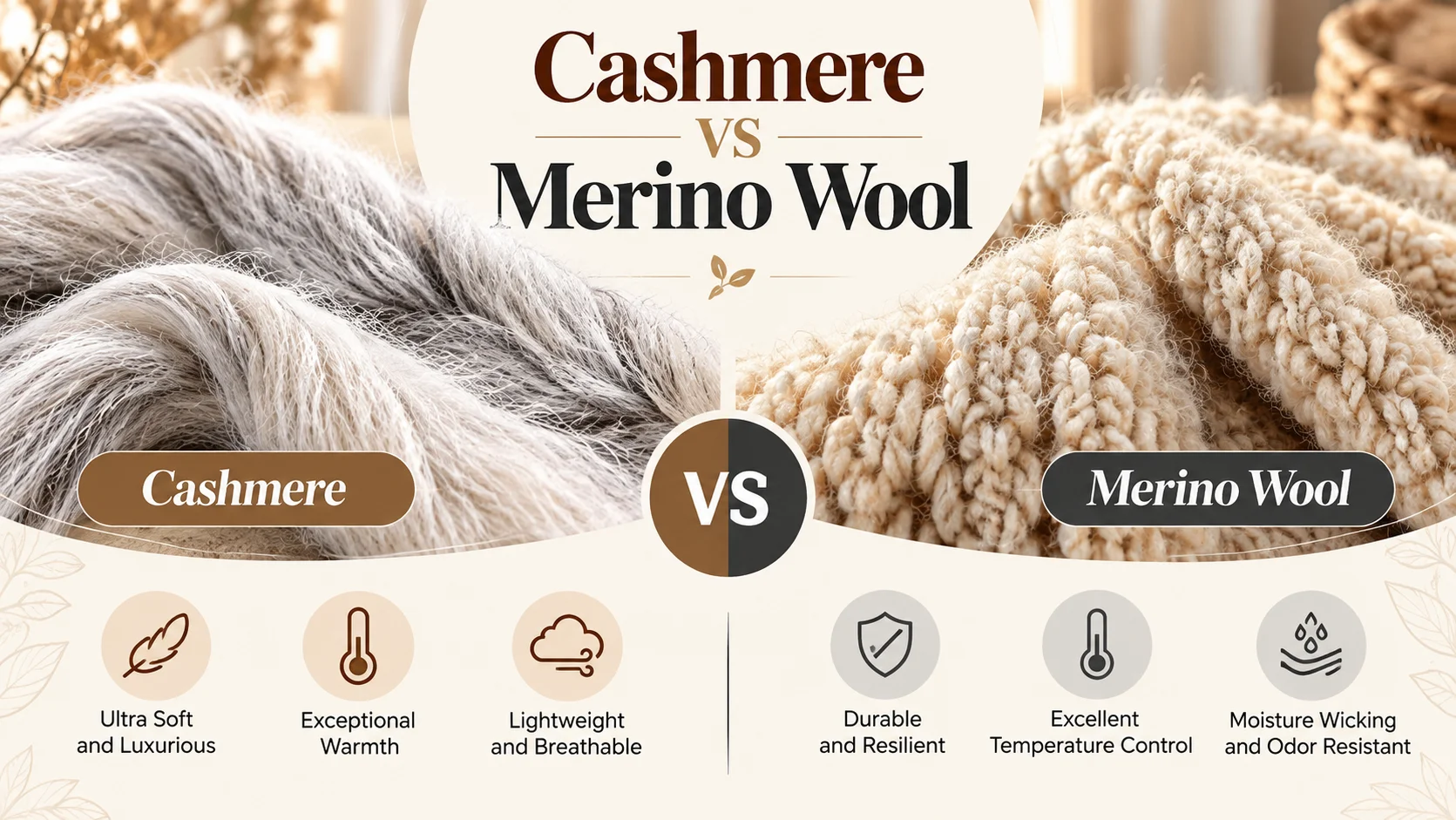
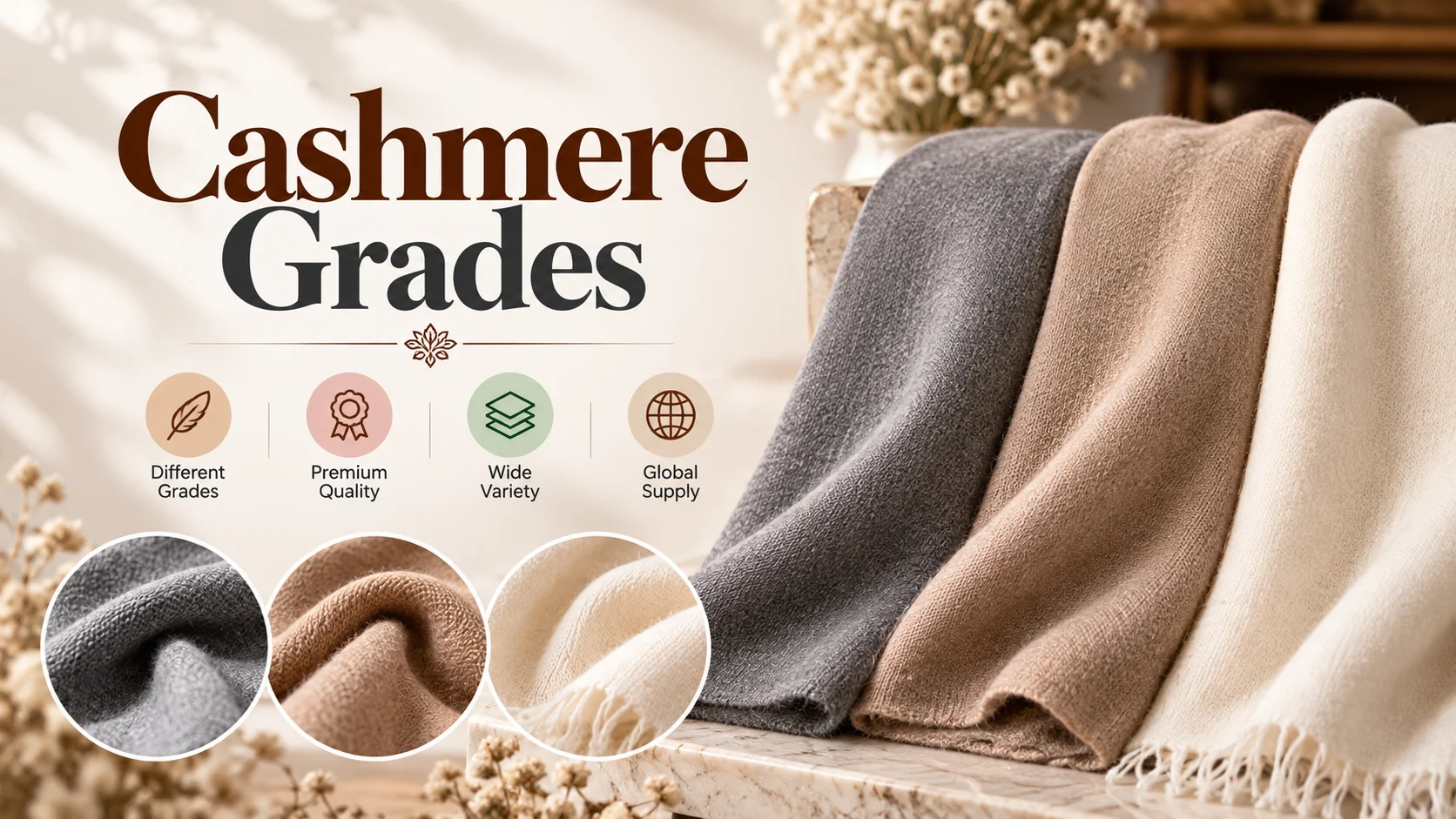
Cashmere is technically a category that overlaps with pashmina (pashmina is a type of cashmere from a specific goat breed and region), but commercially, “cashmere shawls” in the market often refer to cashmere sourced from Mongolia or China, blended for a slightly different hand-feel and price bracket.
Merino wool and lambswool shawls are the practical workhorses of winter inventory — warm, durable, and priced for everyday retail rather than luxury positioning.
Silk-blended winter shawls add drape and a subtle shine, often used in wedding and festive collections where the shawl needs to photograph beautifully under event lighting.
A well-rounded retailer typically stocks winter pashmina shawls as the hero premium product, supported by wool and cashmere options to capture customers across different budgets. We manufacture across all of these categories, and our cashmere shawls line is a popular complement to pure pashmina ranges.
Inside the Manufacturing Process: How Winter Pashmina Shawls Are Made
Understanding the production journey helps B2B buyers ask the right questions when vetting suppliers.
Step 1 — Raw fibre sourcing. Genuine pashmina is sourced from verified suppliers operating in Ladakh and Kashmir. The fibre is combed (not shorn) from the goats during their natural moulting season.
Step 2 — Spinning and weaving. The fine pashmina fibre is hand-spun or machine-spun into yarn, then woven on traditional or semi-mechanised looms depending on the design complexity.
Step 3 — Dyeing and finishing. Colour is applied, followed by washing, stretching, and finishing to achieve the soft drape associated with quality winter pashmina shawls.
Step 4 — Embroidery or embellishment (if applicable). Hand embroidery, for designs like Sozni, can take anywhere from a few days to several weeks per piece depending on intricacy.
Step 5 — Quality control. A reputable shawl manufacturer in India runs multi-stage inspection — raw material check, in-line inspection during weaving, and final pre-shipment QC — to catch defects before they reach the customer.
This is exactly the process we follow at Savita Shawls, where our in-house designers oversee every milestone from yarn sourcing to finishing, which is part of why brands trust us as their bulk shawls supplier season after season.
Styling Tips: How to Wear Winter Pashmina Shawls in 2026
If you’re a boutique owner, giving your customers styling guidance (in-store signage, social content, or product descriptions) increases conversion. Here are a few angles worth sharing:
- The classic drape — simply over the shoulders, ideal for formal and office wear with winter pashmina shawls in solid neutral tones.
- The wrap-and-tuck — wrapped around the neck like a scarf and tucked into a coat, popular in colder European and North American markets.
- The belted shawl — cinched at the waist with a thin belt over the shawl, turning a winter pashmina shawl into a poncho-style outer layer.
- Layered over blazers — a growing trend where lightweight pashmina shawls are draped over structured blazers for a fusion office-to-evening look.
- Bridal draping — heavily embroidered winter pashmina shawls used as a dupatta alternative or ceremonial wrap, especially big in South Asian wedding markets.
These styling angles work well as content for boutique social media, and they help differentiate your winter pashmina shawls inventory from competitors selling the exact same product with zero context.
Why Choosing a Reliable Manufacturer Matters More Than You Think
Here’s the truth most B2B buyers learn the hard way: the manufacturer you choose determines almost everything about how your winter pashmina shawls perform in the market — quality consistency, delivery timelines, and your ability to scale.
A reliable shawl manufacturer in India should offer:
- Transparent fibre sourcing with documentation for export compliance
- Consistent batch-to-batch quality, so shawl #1 in your order looks and feels like shawl #500
- Realistic, honoured lead times — ours typically run 30–45 days for custom orders
- Export experience — proper HS codes, commercial invoices, certificates of origin, and Incoterm flexibility (FOB, CIF, DDP)
- Ethical production standards — fair wages, safe working conditions, no child labour
We’ve built our reputation over 40+ years on exactly this. Buyers who search for a shawl manufacturer in India often end up comparing five or six vendors before settling — and the deciding factor is almost always consistency and communication, not just price.
The Business Case for Buying Winter Pashmina Shawls in Bulk
If you’re still ordering small or inconsistent quantities, here’s why moving to bulk sourcing for winter pashmina shawls makes financial sense.
Better unit economics. Factory-direct pricing on bulk orders of winter pashmina shawls eliminates the middleman markup that smaller, fragmented orders carry.
Private label opportunity. At MOQs as low as 100 pieces per design, you can build an entire private-label winter pashmina shawls line — your branding, your packaging, your story — without needing your own factory.
Seasonal predictability. Winter shawls have a predictable demand curve. Buying in bulk ahead of the season (rather than reactive small reorders) protects you from stockouts during peak buying weeks.
Stronger retail presentation. Bulk orders allow consistent ticketing, poly-bagging, and retail-ready packaging across your entire winter pashmina shawls range, which matters a lot for boutique shelf appeal.
If you’re exploring this route, our bulk shawls supplier programme and private label services are built specifically around helping brands and retailers scale without compromising on quality.
Trends Shaping the Winter Pashmina Shawls Industry in 2026
A few shifts worth watching if you’re planning your 2026 winter inventory:
- Sustainability documentation is now a buying criterion, not a nice-to-have. International retailers increasingly ask for OEKO-TEX compliance and ethical sourcing certificates before placing bulk orders for winter pashmina shawls.
- Reversible and multi-functional shawls are growing fastest among younger buyers who want versatility from a single purchase.
- Gender-neutral and men’s pashmina shawls are a quietly expanding category, especially in Middle Eastern and European gifting markets.
- Direct-to-boutique B2B ordering platforms are replacing old-school trade-fair-only sourcing, making it easier for smaller boutiques to access factory-direct winter pashmina shawls without massive minimums.
- Custom branding and corporate gifting continue to rise, with companies ordering winter pashmina shawls as premium client and employee gifts each holiday season.
Staying ahead of these shifts is part of why working with an established custom scarf manufacturer who understands global demand patterns gives you an edge over buyers sourcing blind from marketplaces.
Common Mistakes B2B Buyers Make When Sourcing Winter Pashmina Shawls
Before you place your next order, watch out for these recurring issues:
- Not requesting fabric composition certificates — leads to customs and labelling issues on import.
- Skipping the pre-production sample — the single biggest cause of bulk order disputes.
- Choosing price over consistency — the cheapest winter pashmina shawls quote often hides quality compromises that show up only after delivery.
- Ignoring lead time realism — unrealistic 7-day promises for fully custom embroidered pieces are a red flag.
- Not clarifying MOQ flexibility — many manufacturers can negotiate MOQs for mixed-design orders, but buyers don’t always ask.
Final Thoughts: Building Your 2026 Winter Pashmina Shawls Collection
Winter pashmina shawls aren’t just another seasonal SKU — they’re one of the few fashion categories where heritage, craftsmanship, and genuine material quality still drive purchasing decisions. Customers can feel the difference between authentic pashmina and a cheap imitation within seconds, and that tactile honesty is exactly why this category continues to perform year after year.
Whether you’re a boutique owner building your first winter capsule, a fashion brand looking to launch a private-label range, or an established retailer scaling bulk orders across multiple markets, the foundation of success is the same: partner with a manufacturer who treats fibre sourcing, craftsmanship, and delivery timelines as seriously as you do.
At Savita Shawls, we’ve spent over 40 years perfecting exactly that — from yarn to finished winter pashmina shawls, shipped to 20+ countries with full export documentation and complete design confidentiality for private label partners.
Ready to bring genuine winter pashmina shawls into your 2026 collection? Get a bulk quote today and let’s talk about your requirements.
Winter pashmina shawls are made from the fine undercoat fibre of Changthangi goats, making them significantly softer, lighter, and warmer than standard wool while offering superior drape.
Request a material composition certificate and a pre-production sample. A reliable manufacturer will test each batch for fibre purity before dispatch.
MOQs typically start at 100 pieces per design for custom styles, with some stock styles negotiable to around 50 pieces depending on fabric and complexity.
Yes, Most manufacturers offer woven labels, custom packaging, and full design confidentiality, allowing brands to build an exclusive winter pashmina shawls line under their own name.
Custom orders typically take 30–45 days depending on embroidery or weave complexity, while stock styles can ship in 7–10 days.
Major importers include the UK, USA, UAE, Germany, France, and Australia, where winter pashmina shawls are popular in both retail and gifting markets.
Reversible dual-tone designs, layering over blazers, belted poncho styles, and bridal draping are among the leading styling trends this season.